

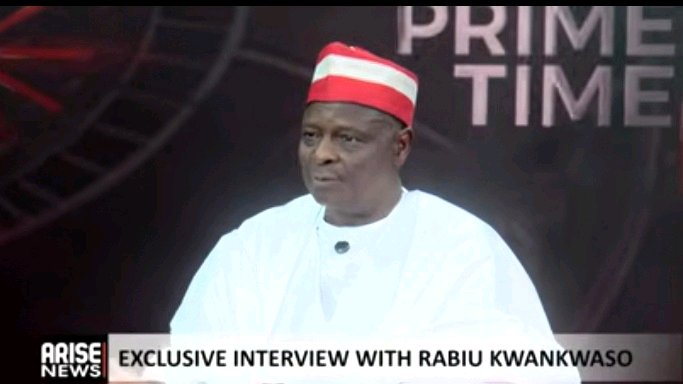
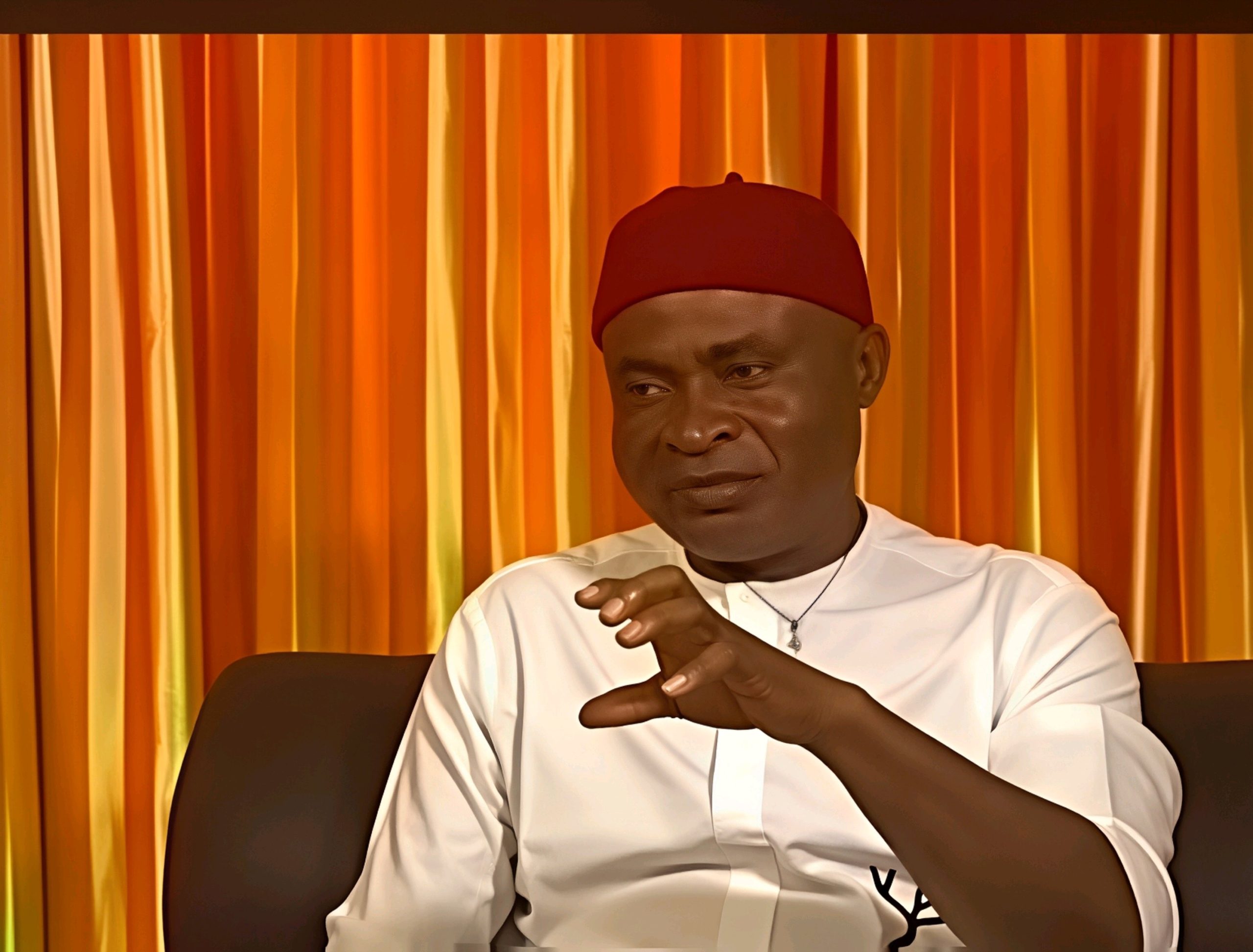
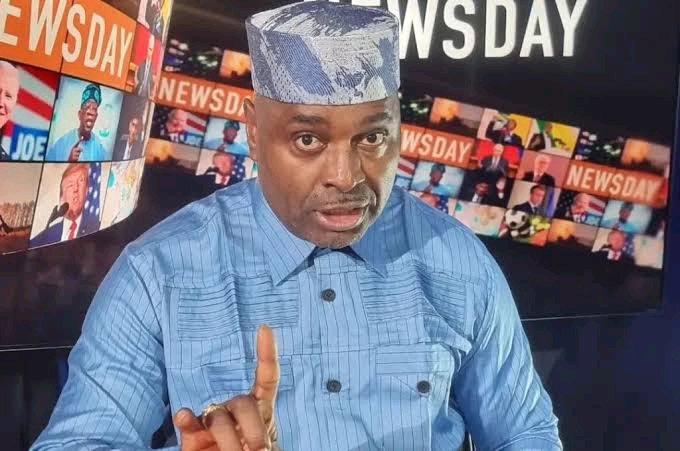
In a recent interview on Arise TV, Rabiu Musa Kwankwaso, former governor of Kano State, spoke about leadership, education, and the importance of investing in human capital development as part of efforts to reposition Nigeria for future growth and stability.
During the interview, Kwankwaso stated, “We have sponsored over 3,000 people abroad, and many of them are now professors.” He made the remark while reflecting on policies implemented during his time in public office and the long-term impact of educational investments on society.
He explained that education remains one of the most effective tools for national transformation, adding that governments must prioritise the training and development of young people if the country hopes to compete globally. According to him, sponsoring students abroad was part of a broader vision aimed at producing skilled professionals who could contribute meaningfully to Nigeria’s development across different sectors.
Kwankwaso noted that many beneficiaries of the programme have gone on to distinguish themselves academically and professionally, with several becoming professors, researchers, and experts in their respective fields. He argued that such achievements demonstrate the value of sustained investment in education and human capacity building.
The former Kano State governor also stressed that leadership should be measured not only by political achievements but by policies that create opportunities for future generations. He maintained that nations that invest heavily in education tend to experience stronger economic growth, improved innovation, and better governance outcomes.
According to Kwankwaso, Nigeria’s current challenges, including unemployment and insecurity, cannot be effectively addressed without expanding access to quality education and creating opportunities for young people to develop relevant skills. He added that political leaders must begin to focus more on long-term developmental strategies rather than short-term political interests.
Kwankwaso further stated that many young Nigerians are eager for change and are increasingly demanding leaders who can provide practical solutions to national problems. He concluded by saying that education should remain at the centre of governance and policy discussions, especially as the country prepares for another electoral cycle ahead of the 2027 general elections……See More













Leave a Reply