

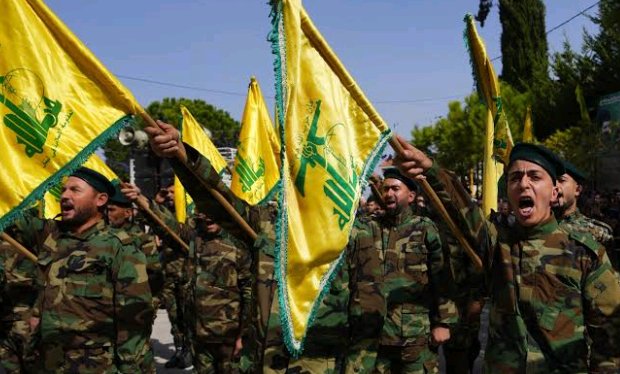
As the group leader, Sheikh Naim Qassem, faces mounting pressure from internal crises and ongoing IDF operations, Israeli security sources revealed that the Lebanese Shia Islamist political party and paramilitary group which is popularly known as Hezbollah had drafted a systematic plan to occupy the Government of Lebanon, and sideline pragmatic political factions that support normalization with Israel and rapprochement with the West.
According to a report made by the Jerusalem Post on Wednesday, 12 May 2026, a top Middle East media outlet, citing Israeli security sources, revealed that the Israeli defense establishment had identified growing domestic criticism against Hezbollah from senior Lebanese figures, including the country’s President, Prime Minister, and Parliamentary speaker, adding that in response, the organization has prepared a blueprint to seize control of the capital and suppress forces that advocate for diplomatic engagement with the West and eventual normalization with Israel.
They also added that Northern Command Commander Major General Rafi Milo briefed the Chief of Defence Staff of the Israeli Defense Forces Lieutenant General Eyal Zamir this week on significant progress in ground maneuvers and the destruction of terrorist infrastructure across dozens of villages in southern Lebanon, with Israeli officials believing that the more the IDF intensifies its operations, the greater the pressure will fall on Qassem, who is forced to divide his dwindling forces among three fronts: Beirut, southern Lebanon, and the Beqaa Valley.
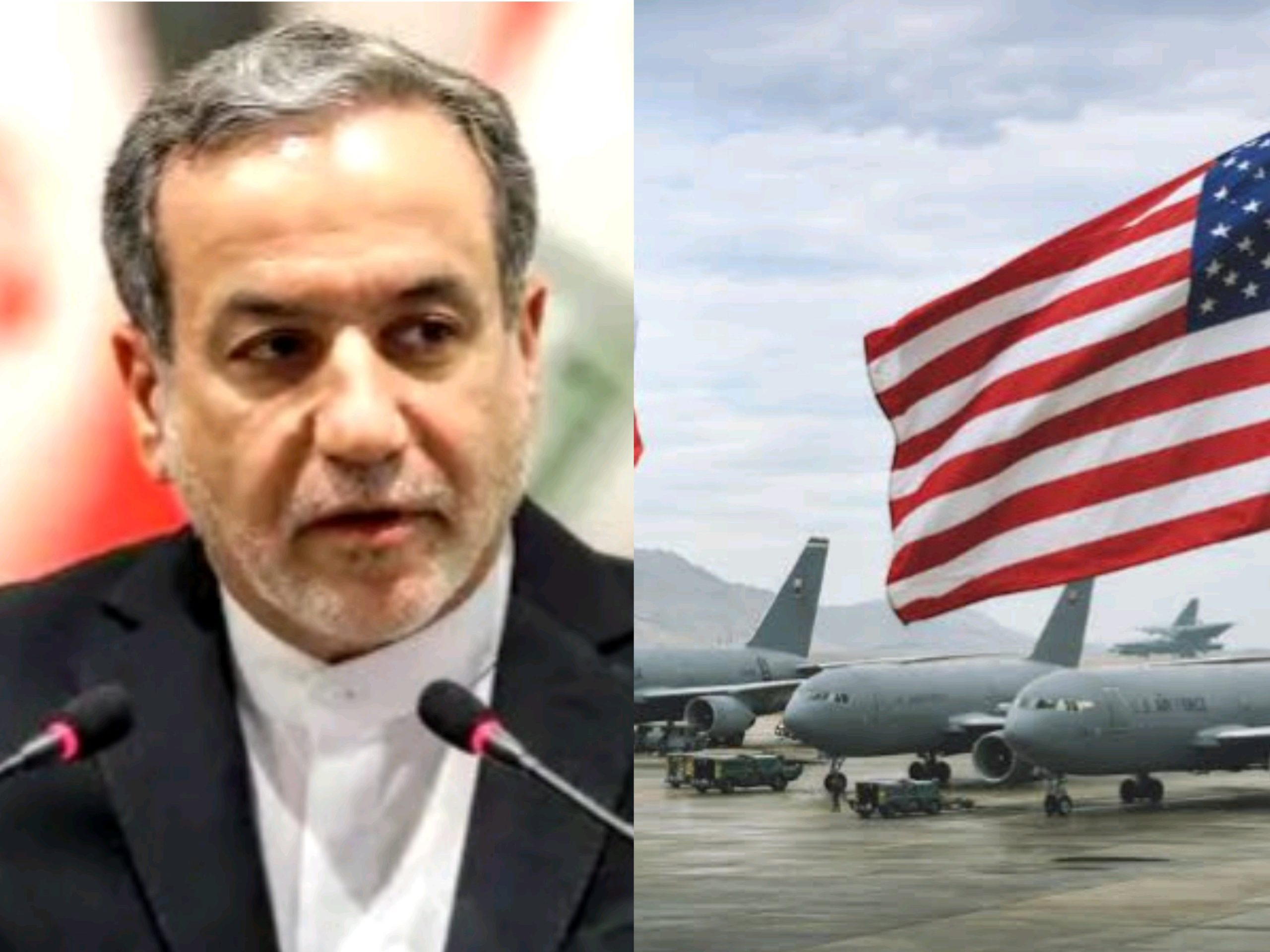
In another related development, Israeli security sources, revealed that the Government of the Islamic Republic of Iran under the leadership of the Supreme Leader of the Islamic Revolution, Ayatollah Seyyed Mojtaba Khamenei had dramatically reduced their financial transfers to the Lebanese resistance group, Hezbollah, compounding Hezbollah’s woes.
They also added that combined with precision IDF strikes on Hezbollah-linked economic assets, including banks, money changers, and gas stations, the organization is now experiencing one of its most acute financial crises in years, underscoring that the cash crunch had also hampered Hezbollah’s ability to support hundreds of thousands of Lebanese civilians who fled dozens of villages now under IDF control or who abandoned their homes fearing an expansion of the fighting……See More







Leave a Reply