

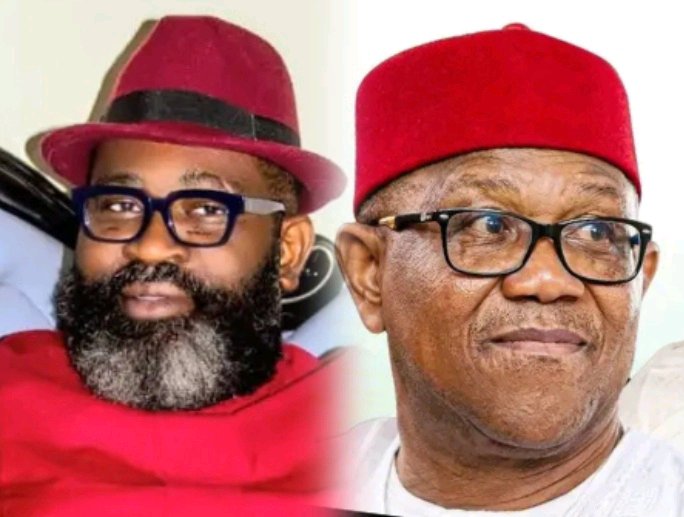
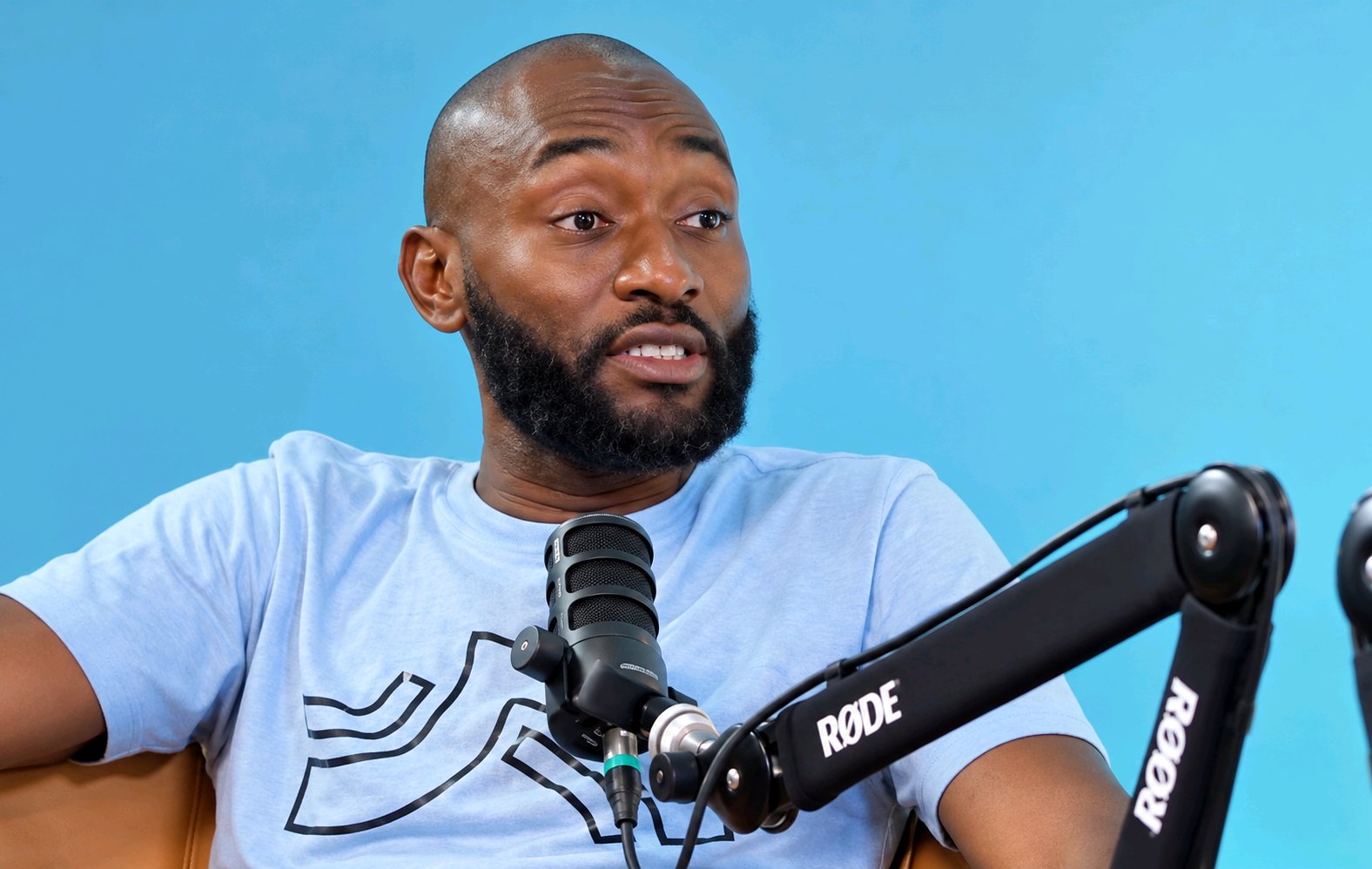
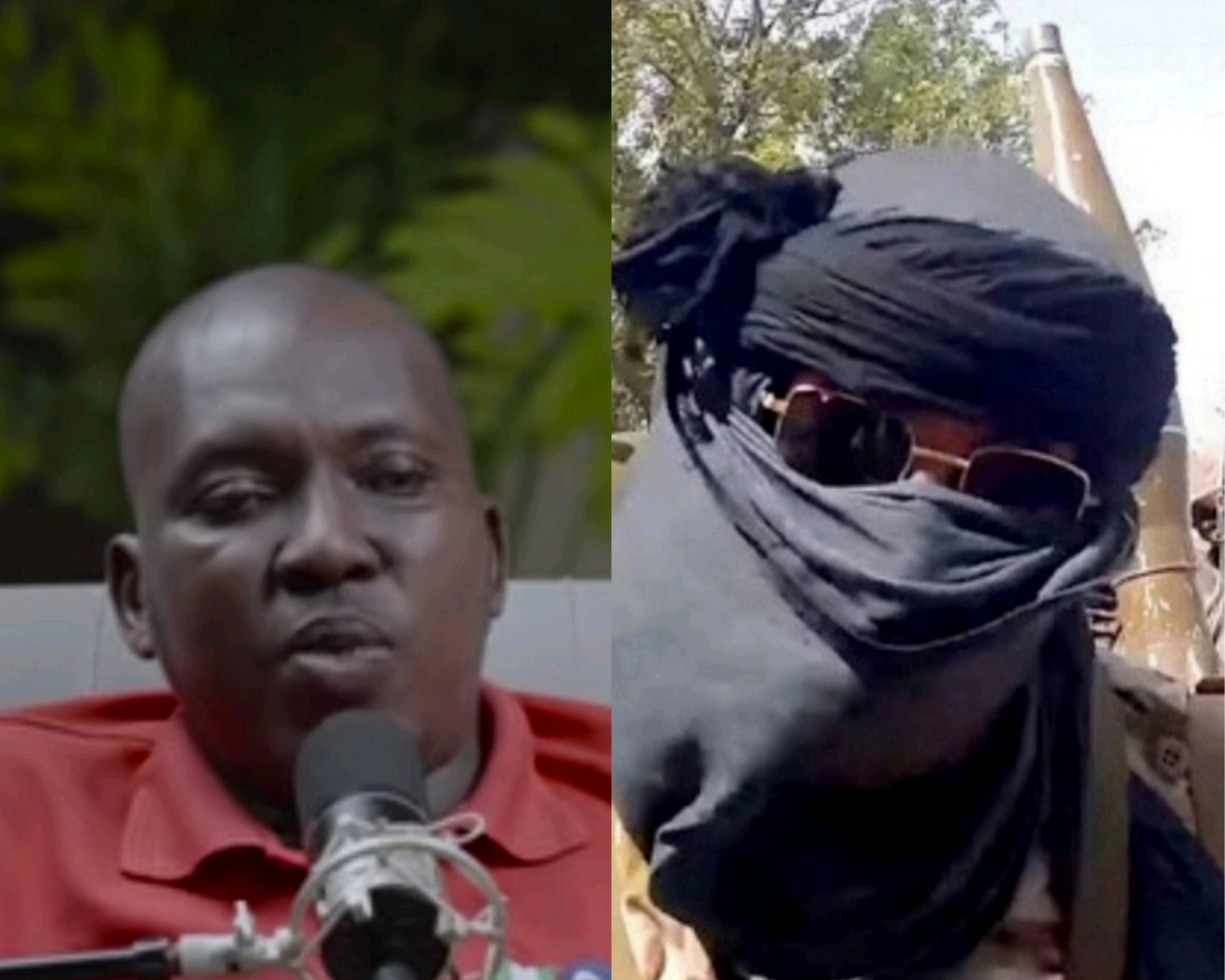
In a recent interview on Arise TV, Nigerian lawyer and public policy analyst Chris Nwokobia spoke on internal opposition dynamics, political mistrust, and shifting alliances ahead of the 2027 general elections in Nigeria.
During the interview, Nwakobia stated, “My elder brother and friend, Peter Obi, left the ADC because Tanko said there was a ‘booby trap.’” He made the remark while addressing what he described as the growing complexity of coalition-building efforts within Nigeria’s opposition parties.
He referenced Peter Obi, noting that the movement of opposition figures between political platforms continues to reflect deeper trust issues and strategic disagreements among key stakeholders.
Nwokobia explained that the frequent movement of political actors across parties such as the African Democratic Congress, Labour Party, and other emerging coalitions is not merely ideological but often driven by internal disputes, fears, and competing interests.
He pointed out that allegations of internal “booby traps,” as mentioned in political discussions involving opposition strategist Tanko Yunusa, highlight the level of suspicion that continues to shape negotiations among opposition leaders.
According to him, such developments weaken the possibility of forming a unified front capable of challenging dominant political forces, including the ruling All Progressives Congress and other established contenders.
Nwokobia stressed that political unity cannot be achieved in an environment where trust is fragile and strategic communication between leaders is inconsistent, warning that these issues may persist into the 2027 electoral cycle.
He further argued that successful coalition-building requires transparency, structured negotiation, and a willingness among leaders to prioritize collective goals over personal or factional interests.
Nwokobia maintained that opposition politics in Nigeria will continue to struggle unless leaders commit to long-term alliance-building rather than short-term political manoeuvring.
He concluded by stressing that the future of Nigeria’s democracy depends on the ability of opposition actors to overcome internal suspicions and build a credible, unified platform capable of competing effectively in 2027……..See More




Leave a Reply