

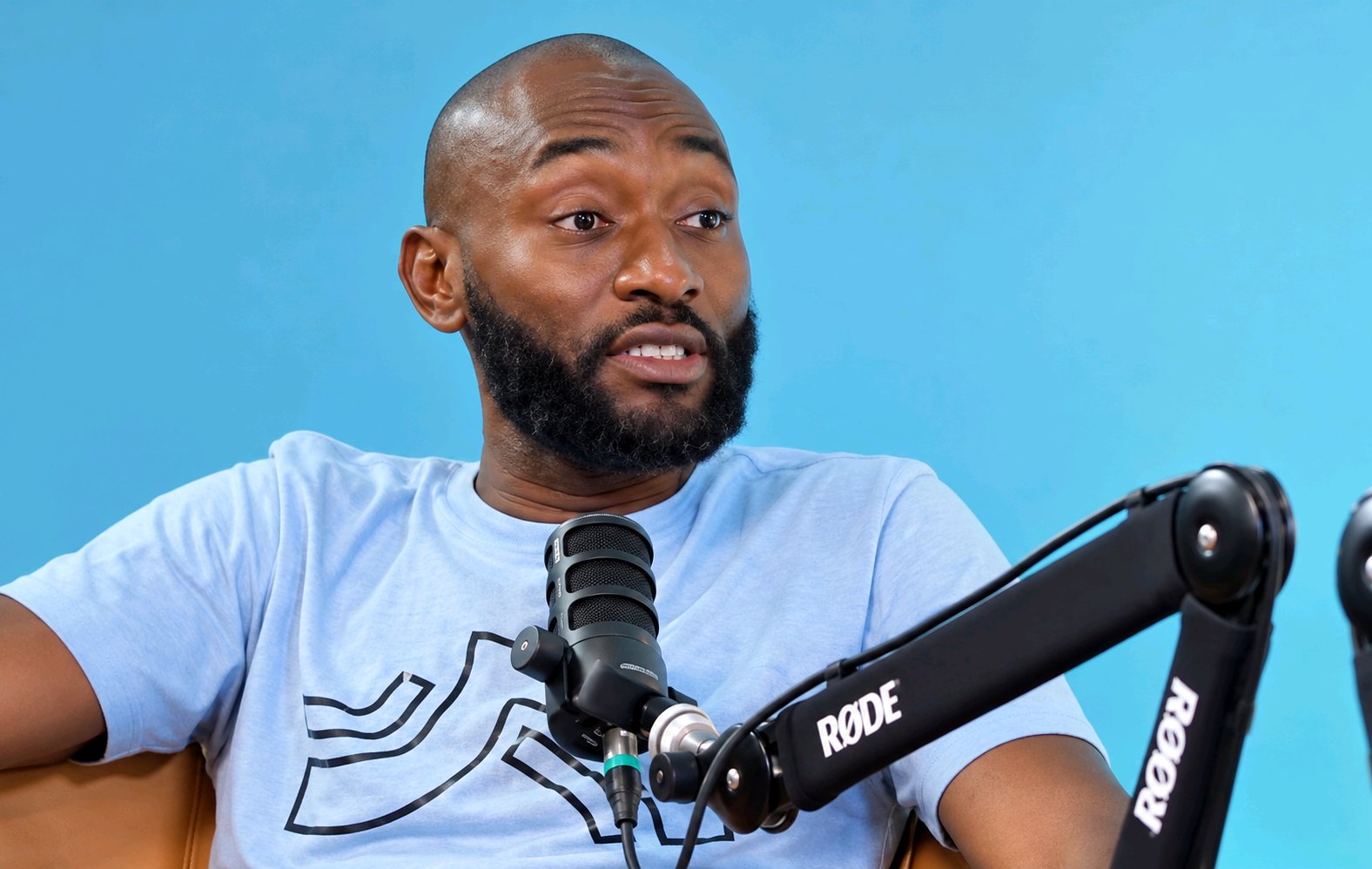
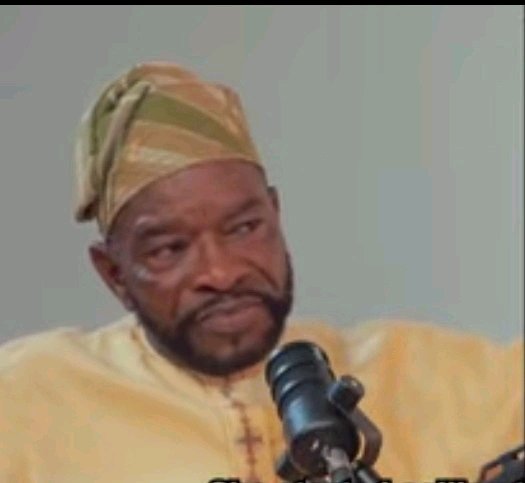
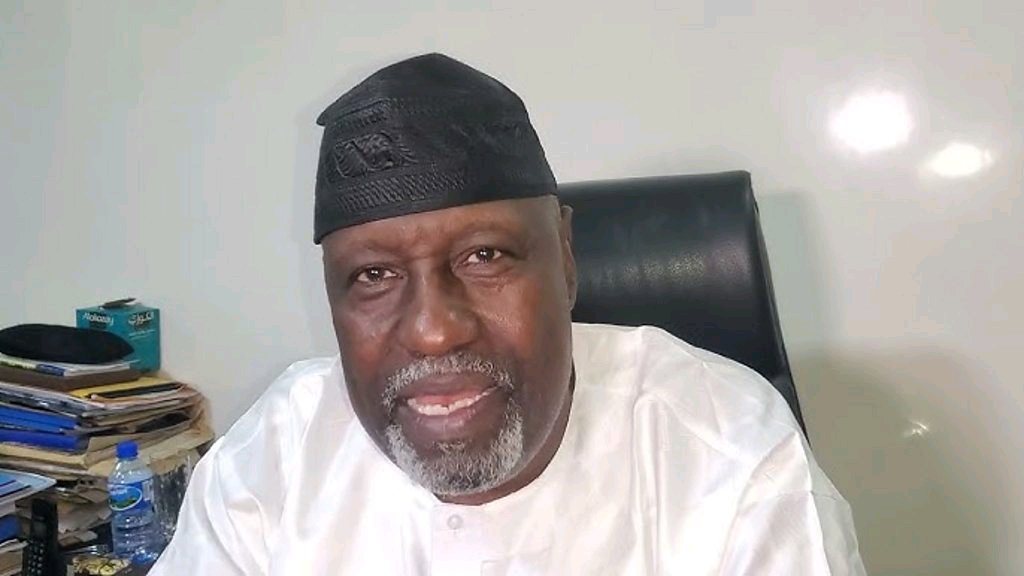
In a recent interview on Arise TV, on Sunday, May 31, 2026, Dr. Abayomi Arabambi, the factional National Chairman of the Labour Party (South West), spoke on the evolving political dynamics ahead of the 2027 general elections, with particular attention to opposition strategy, regional politics, and voter influence in the South-East.
The discussion focused on emerging alignments within Nigeria’s opposition parties, internal party disputes, and how past electoral outcomes are shaping expectations for the next election cycle. Arabambi argued that political competition in 2027 would be more intense, especially in states considered strongholds of major opposition figures.
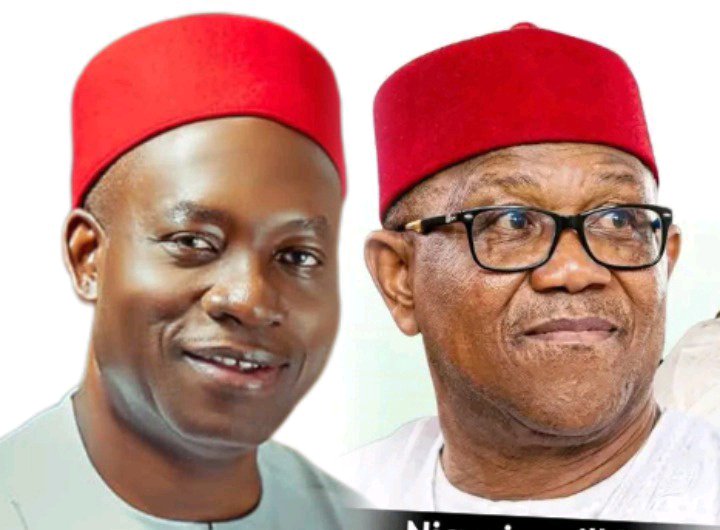
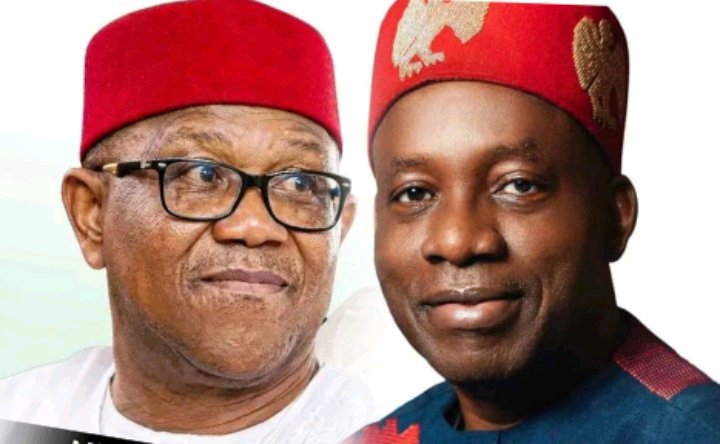
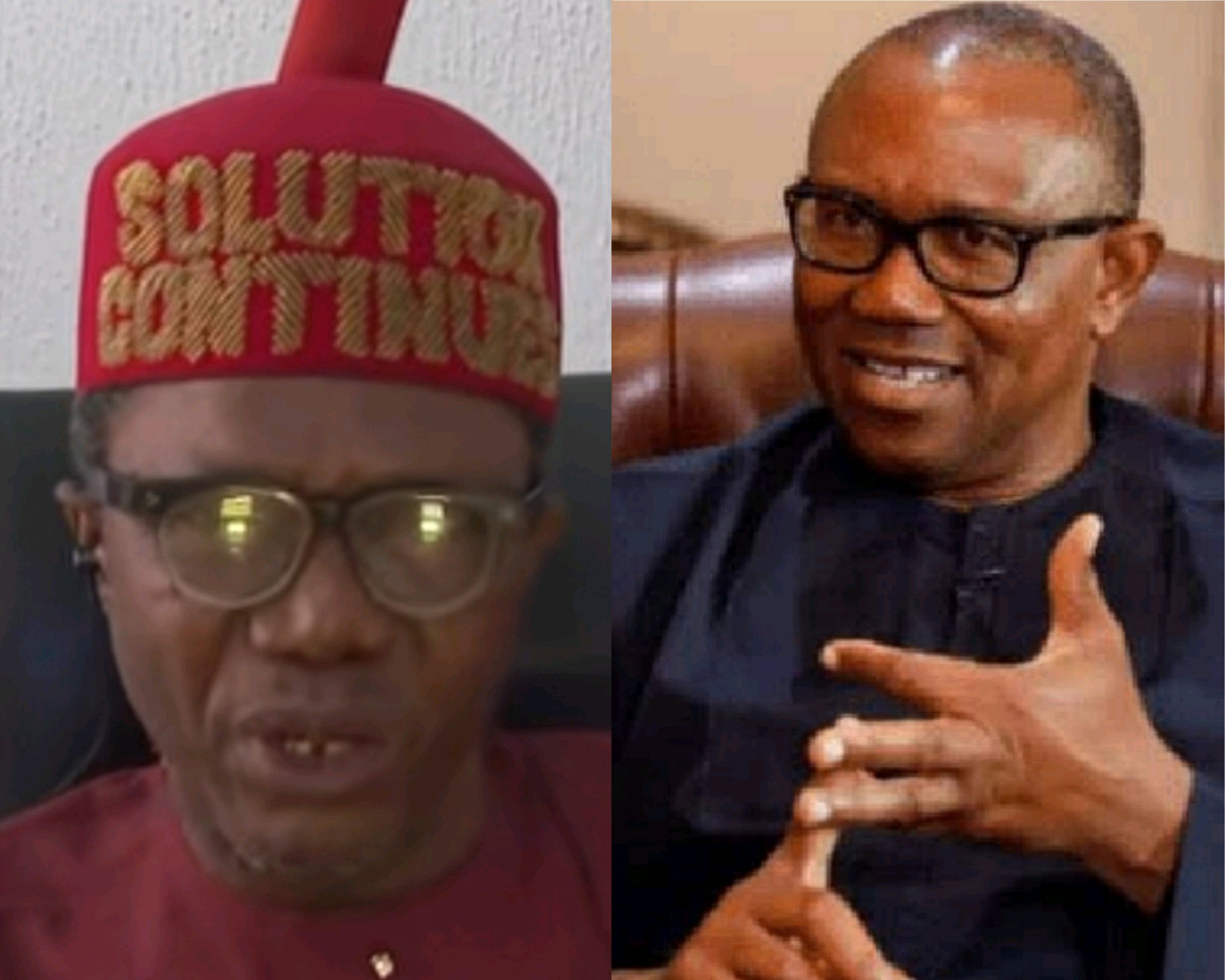
During the interview, Arabambi stated, “Charles Soludo will not fold his arms and allow Obi to take all the votes, just as they did in 2023.” He used the statement to emphasize what he described as the increasing fragmentation of voter support in the South-East political space.
He referenced the Governor of Anambra State, Charles Soludo, suggesting that political actors in the region would play more active roles in shaping electoral outcomes in 2027 compared to previous cycles. According to him, the 2023 election experience demonstrated that regional political figures and party structures have significant influence over vote distribution.
Arabambi also pointed to the continued prominence of former presidential candidate Peter Obi, arguing that while Obi remains a dominant political force in the South-East, he will face stronger resistance from other political stakeholders and institutions in the upcoming election.
He further stated that the opposition landscape is becoming increasingly competitive, with multiple actors seeking to consolidate influence within their respective regions. According to him, this competition could lead to divided voting patterns and heightened political negotiations ahead of the polls.
Arabambi also linked these developments to broader challenges within Nigeria’s opposition parties, including factional disputes, court cases over primaries, and disagreements over leadership legitimacy. He argued that such issues continue to weaken unified opposition strategy at the national level.
Concluding the interview, Arabambi maintained that the 2027 elections would be shaped not only by party popularity but also by regional political calculations, institutional influence, and strategic alliances among key political actors across the country……See More



Leave a Reply