

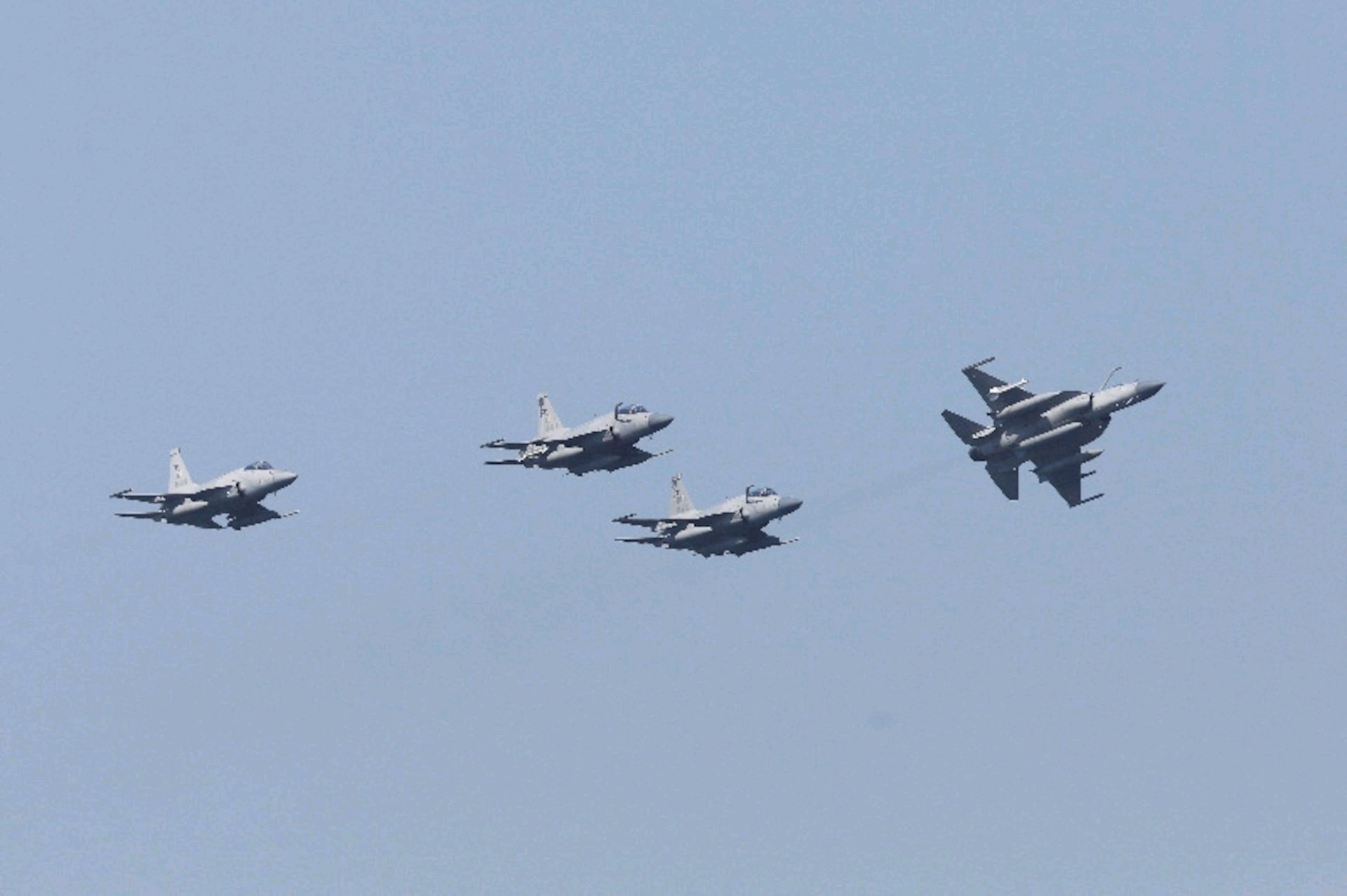
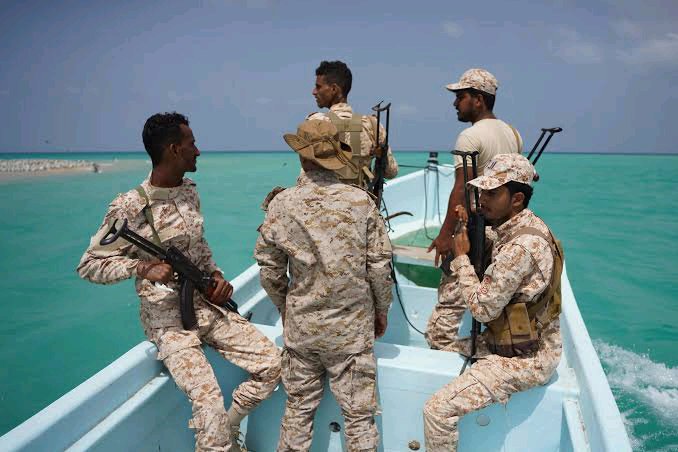
According to a report by Reuters on Monday May 18, 2026, Pakistan has deployed a major military contingent to Saudi Arabia during the ongoing Iran-related conflict, including thousands of troops, fighter jets, and an air defence system, according to multiple security and government sources.
The scale of the deployment—reportedly around 8,000 personnel alongside a squadron of JF-17 fighter aircraft and drone units—marks one of the most significant military commitments by Islamabad to the kingdom in recent years. Officials say the move is part of a broader mutual defence arrangement between the two countries, although neither government has publicly confirmed the full details.
Sources familiar with the arrangement described it as a “combat-capable package,” designed not just for training or advisory purposes but to reinforce Saudi Arabia’s defensive posture if regional tensions escalate further. The equipment, they added, is operated by Pakistani personnel, while Saudi Arabia is said to be covering the financial costs.
Alongside the fighter jets—believed to include around 16 aircraft—Pakistan has also sent multiple drone squadrons and a Chinese-made HQ-9 air defence system. Some officials further indicated that additional troops could be deployed if the security situation in the Gulf deteriorates.
Although Pakistan’s military and foreign ministry, as well as Saudi officials, have not commented publicly, the deployment aligns with earlier indications of deepening defence cooperation under a confidential pact signed last year. Defence Minister Khawaja Asif has previously suggested the agreement could place Saudi Arabia under Pakistan’s wider security umbrella, including strategic protection commitments.
The presence of Pakistani forces in the kingdom is not entirely new. For years, Islamabad has maintained troops in Saudi Arabia under separate agreements focused on training and advisory roles. However, officials say the current deployment goes significantly beyond that framework, both in size and operational capability.
Interestingly, the move comes as Pakistan continues to position itself as a diplomatic intermediary in regional tensions involving Iran. Islamabad has in recent months played a mediating role between Washington and Tehran, including hosting early-stage talks that contributed to a temporary ceasefire agreement.
However, the broader regional picture remains fragile. Past reporting has indicated that Saudi Arabia has carried out limited retaliatory operations following attacks on its territory, underscoring how quickly the conflict environment can shift……See More










Leave a Reply