

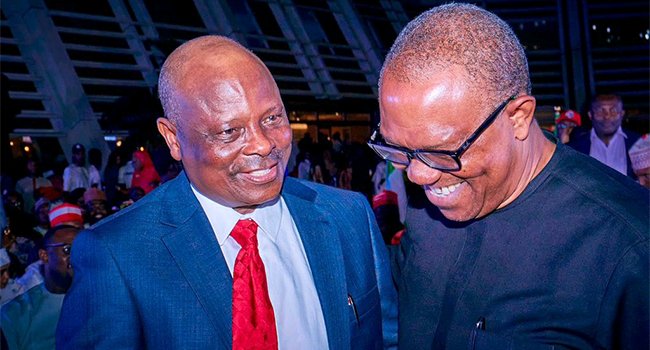
The National Coordinator of the Obidient Movement, Yunusa Tanko, has defended the recent political alignment involving former Labour Party presidential candidate Peter Obi and former Kano State governor Rabiu Musa Kwankwaso under the National Democratic Congress (NDC), insisting that the development is aimed at safeguarding Nigeria’s democratic space rather than weakening opposition politics.
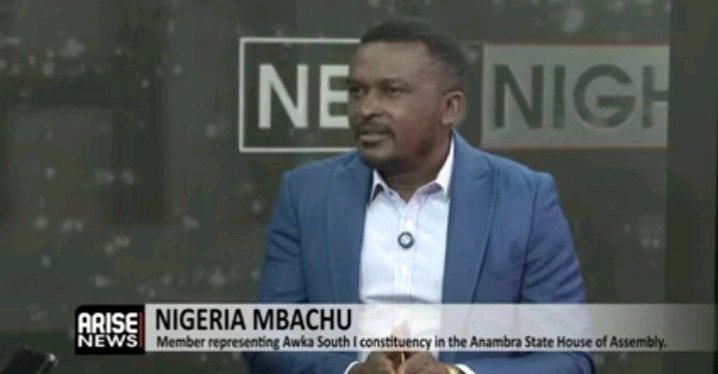
Tanko made the remarks during an interview reported by Arise News on Monday, May 4, 2026, where he addressed growing public debate surrounding the political movement of both figures and the implications for Nigeria’s evolving opposition landscape.
According to him, the decision by Obi and Kwankwaso to reposition themselves within the NDC was influenced by what he described as increasingly restrictive political conditions in their previous affiliations.
He argued that emerging legal disputes, combined with tight electoral timelines and procedural hurdles, made it difficult for both politicians to fully secure their participation in the next election cycle under their former platforms.
He explained that the circumstances left them with limited options, forcing a strategic adjustment in order to remain actively engaged in the political process and continue presenting Nigerians with an alternative political direction. In his view, the move was less about ambition and more about ensuring continued relevance in a system that had become increasingly complex and competitive.
Tanko also dismissed suggestions that Peter Obi’s political shift was motivated by a desire to avoid electoral competition. He maintained that such claims were misleading and did not reflect the realities Obi has faced over the years.
According to him, the former Anambra State governor has repeatedly encountered political and legal obstacles across different party platforms, which he described as a pattern that has consistently complicated his participation in elections.
He argued that these experiences highlight broader structural challenges within the political system, rather than personal reluctance to engage in competition. Tanko insisted that Obi’s decisions have been guided by necessity and circumstance rather than fear of rival candidates or political confrontation.
Beyond internal party dynamics, the Obidient Movement coordinator also pointed to the emerging partnership between Obi and Kwankwaso as a development with potential national implications.
He suggested that the alliance could significantly reshape political support patterns, particularly in Northern Nigeria, where Kwankwaso maintains a strong political base.
Tanko described the collaboration as an opportunity for greater political cooperation between different regions of the country, noting that such unity could strengthen opposition influence ahead of future elections. He expressed optimism that the partnership might bridge long-standing regional divides and encourage broader national engagement within the opposition bloc.
He further argued that the alignment reflects a growing recognition of shared political interests between leaders from different parts of the country.
In his assessment, this kind of collaboration could potentially mobilize widespread support across multiple states, particularly in the North, where Kwankwaso’s influence remains significant.
In his remarks, Tanko stated that the combination of Obi and Kwankwaso’s political followings could translate into substantial electoral strength if properly organized, suggesting that their cooperation might attract support across as many as 19 or 20 Northern states……See More









Leave a Reply