

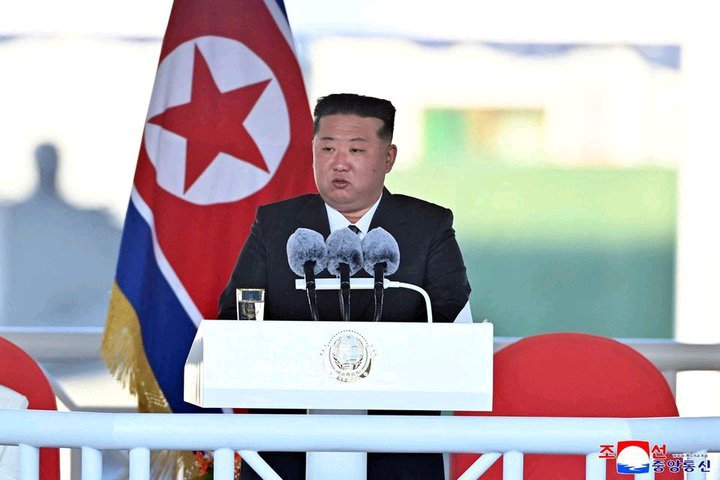
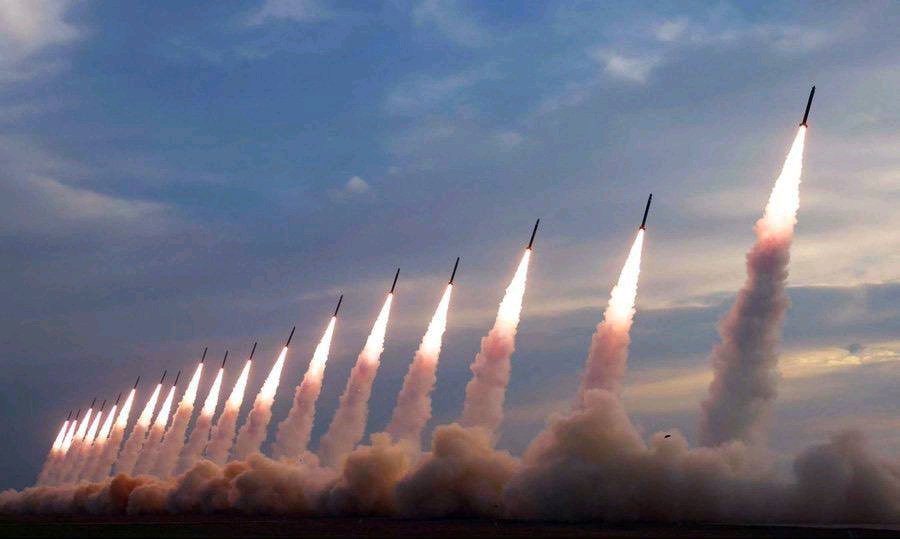
North Korea has apparently updated its national constitution to include a rule that calls for immediate nuclear retaliation if its leadership is attacked, including the assassination of Kim Jong Un, based on reports from Anadolu Agency and evaluations by South Korean intelligence.
This information, initially revealed by South Korea’s National Intelligence Service, is thought to have been officially endorsed during a March meeting of North Korea’s Supreme People’s Assembly. Nevertheless, the specifics of this change were only recently communicated to senior officials in Seoul, raising new worries regarding the nation’s changing nuclear strategies and military doctrines.
With this reported amendment, North Korea’s nuclear forces would be obligated to act promptly if the country’s leadership is targeted or if they are rendered unable to lead. The policy is believed to specify the “automatic and immediate” use of nuclear arms under these conditions, indicating a notable shift in Pyongyang’s deterrence approach.
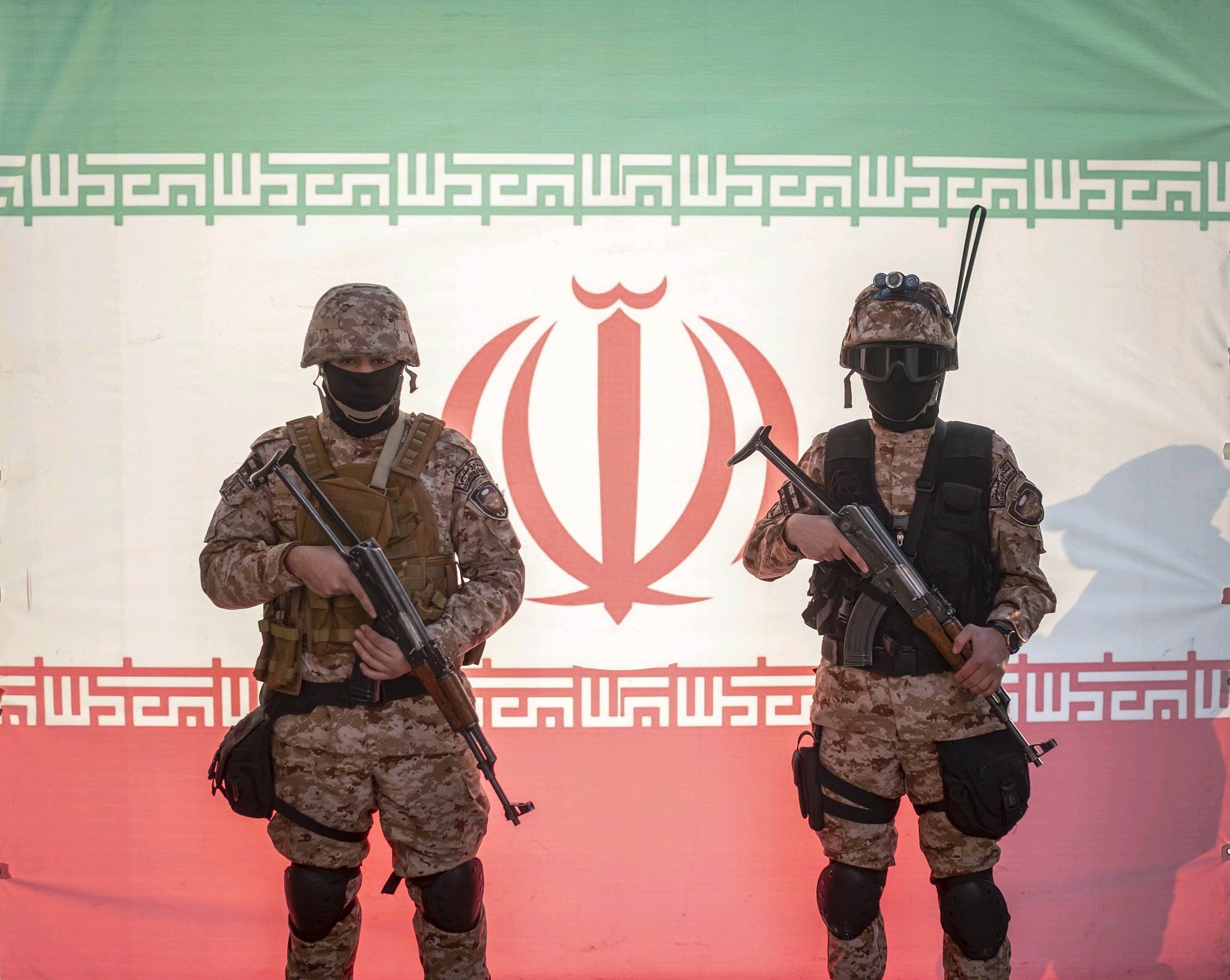
Analysts believe this action demonstrates an increased alertness within North Korea’s leadership due to recent global events, especially the lethal attacks earlier this year by the US and Israel against Iran. These assaults reportedly led to the deaths of Iran’s Supreme Leader Ali Khamenei and various high-ranking military officials, which significantly upset Tehran’s command structure.
Observers note that the incident in Iran seemed to have a profound psychological and strategic effect on Pyongyang. The way the strikes were coordinated, effectively wiping out much of Iran’s senior leadership quickly, is thought to have been closely monitored by North Korean officials as a possible scenario they fear could happen to them.
Professor Andrei Lankov, an expert in North Korean issues, commented that the situation in Iran likely intensified fears within the regime and motivated it to officially establish policies that might have only existed in theory or internal plans before.
He pointed out that while the idea of quick retaliation may not be completely novel, placing it in the constitution gives it more significance. He believes the incidents in Iran acted as a “wake-up call,” showcasing the effectiveness of precise strikes targeting leadership.
Lankov further indicated that the speed and coordination of the US-Israeli operation in Iran would have unsettled North Korean leaders, proving how swiftly a nation’s command system could be dismantled in a contemporary conflict.
The security measures taken for Kim Jong Un have long mirrored these concerns. The North Korean leader is known to have a large security team and is often accompanied by security staff during public engagements. He is also said to avoid flying, preferring heavily armored trains for both domestic and limited international travel, highlighting the regime’s focus on secure and controlled transportation.
Military and intelligence specialists indicate that carrying out a comparable decapitation attack in North Korea would be much harder than in other nations, primarily because of the nation’s intense secrecy, carefully managed communication systems, and vast internal monitoring networks. These elements make it significantly tougher to collect real-time intelligence and conduct targeted actions.
In spite of these protective benefits, analysts argue that the constitutional amendment conveys a purposely robust message to outside enemies. It seems designed to emphasize that any effort against Kim Jong Un’s life or leadership framework would prompt a swift and possibly devastating nuclear retaliation…….See More
















Leave a Reply