

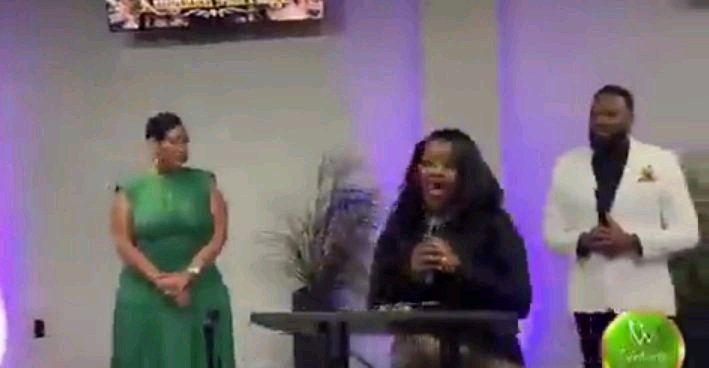
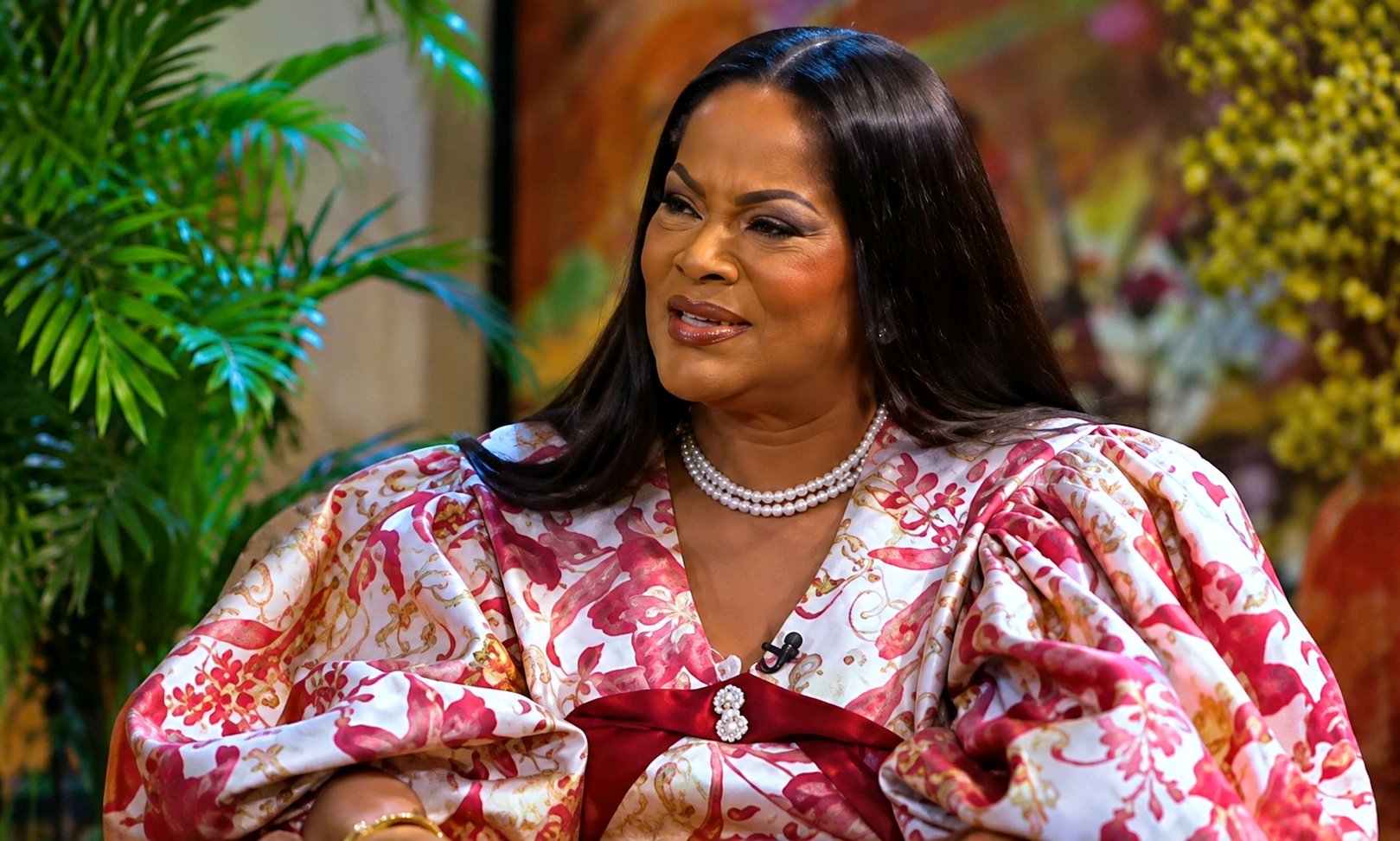
Reactions have continued to emerge following an announcement at a church in Ohio, United States, where Prophetess Lydia Ford reportedly introduced Shakayla Ford, a female minister in the church, as the second wife of her husband, Prophet Israel T. Ford.
The announcement reportedly surprised members of the congregation, particularly after it emerged that the arrangement had allegedly been in place for three years before being made public.
According to the account circulating online, Shakayla had been married to Prophet Israel privately during that period, while Lydia later announced the relationship before members of the church. The development has since attracted attention on social media, prompting discussions about marriage, religious leadership and the interpretation of biblical teachings.
Following the announcement, Prophet Israel T. Ford reportedly addressed the issue on social media, defending the marital arrangement and expressing his position on monogamy.
In his remarks, the pastor described monogamy as “unbiblical”, a statement that has generated further debate among people discussing the matter online.
His position has brought renewed attention to biblical accounts involving figures who had multiple wives, with discussions focusing on whether such examples should be interpreted as approval of polygamous marriages among Christians today.
While some participants in the online debate have pointed to Old Testament accounts involving men with multiple wives, others have questioned how such arrangements align with the marital expectations upheld by different Christian denominations.
The situation has also drawn attention to the distinction between polygyny, which involves a man having multiple wives, and monogamy, which involves one spouse at a time.
Beyond the theological arguments, the reported announcement has raised questions about transparency within religious institutions and the responsibilities of church leaders whose personal decisions may affect their congregations.
However, the specific circumstances surrounding the marriage, the name of the church and the full responses of the congregation have not been independently established from the information provided.
The claims about the marriage and the pastor’s comments therefore require further verification before they can be treated as confirmed facts.
For now, the reported development continues to fuel online conversations about faith, marriage and the different ways biblical teachings are interpreted within Christian communities.



















Leave a Reply