

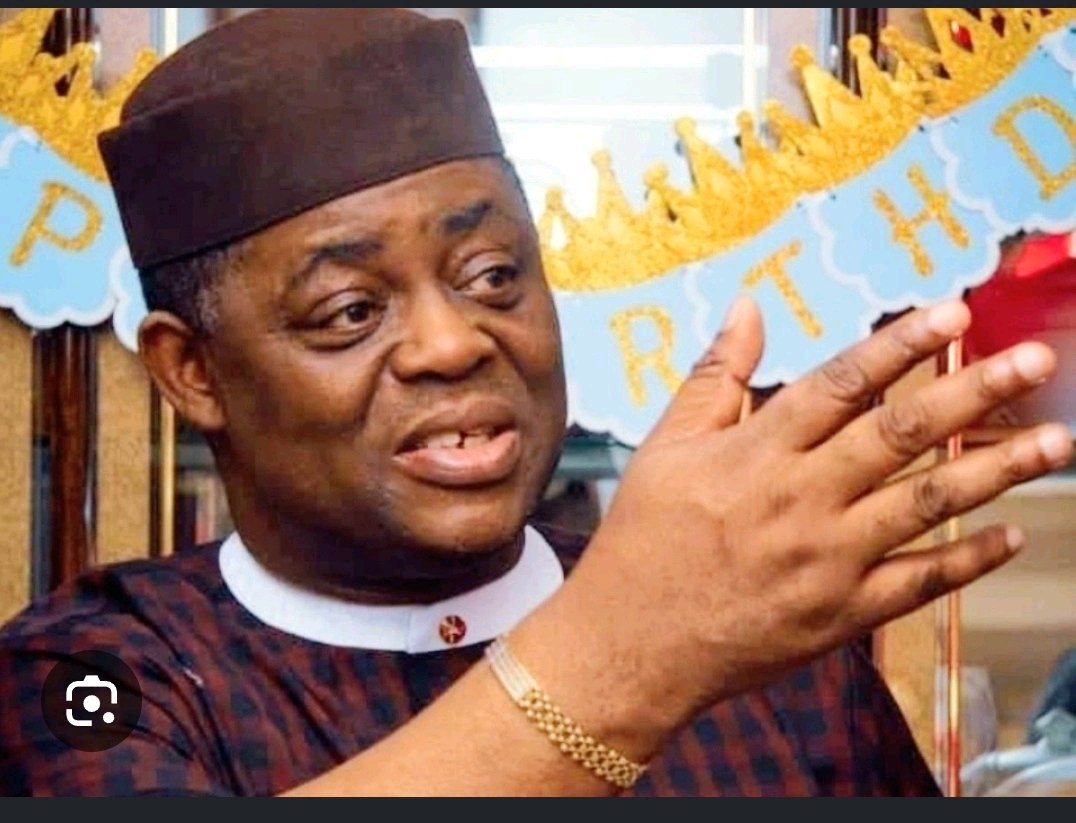
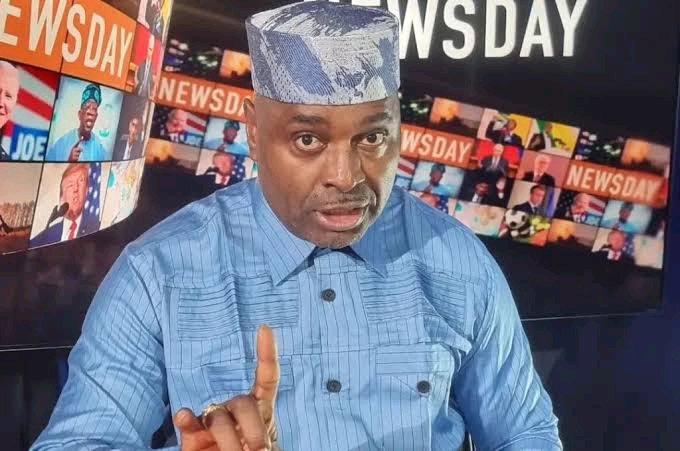
According to a report by Vanguard News, on Monday, August 10, 2026, former Minister of Aviation, Femi Fani-Kayode, has criticised comments reportedly made by Islamic cleric Sheikh Yahaya Jingir at an event in Kano, describing them as potentially divisive and capable of aggravating religious tensions in Nigeria.
Fani-Kayode expressed his concerns in a statement shared on Facebook on Monday, August 10, 2026, while responding to the controversy surrounding Jingir’s reported remarks.
The former minister said he had received several calls and messages from Nigerians belonging to both Christian and Muslim communities who expressed concern about what the cleric was reported to have said.
According to Fani-Kayode, the reaction from members of different religious groups demonstrated the sensitivity of the issue and the need for influential political and religious figures to exercise restraint when discussing matters involving faith.
He also expressed disappointment over the reported reaction of the Kano State governor during the event where Jingir allegedly made the controversial remarks.
Fani-Kayode said he found it troubling that the governor was allegedly cheering or celebrating statements which, in his view, could deepen divisions between Nigerians of different religious backgrounds.
The former minister argued that matters concerning religion should not be sacrificed for political interests.
He maintained that political calculations should not encourage public figures to make statements capable of creating distrust between communities or increasing religious tensions.
“We will not keep quiet and watch our faith being dragged all over the floor because of politics,” Fani-Kayode said in his reaction.
He further argued that questions of faith and salvation were more important than political appointments, material benefits or other temporary interests that individuals may pursue.
According to him, Nigeria’s religious diversity makes it particularly important for political leaders and religious authorities to carefully consider the possible consequences of their public statements.
Nigeria is home to large Christian and Muslim populations, making religion an important factor in the country’s social and political affairs. Political debates involving religious identity have frequently generated strong reactions, particularly during election periods.
Fani-Kayode warned that language capable of alienating either Christians or Muslims could have political consequences for political parties seeking support across the country.
He specifically linked the controversy to the 2027 presidential election, arguing that the remarks attributed to Jingir could provide opposition parties with material to use against the All Progressives Congress, APC.
According to him, politicians seeking nationwide support cannot afford to ignore the concerns of either major religious community.
He suggested that comments perceived as favouring one faith over another could influence the way voters view political parties and their candidates.
Fani-Kayode, however, stressed that Jingir’s reported views should not be interpreted as representing the official position of the APC.
He also rejected the suggestion that the cleric’s comments reflected the views of Nigerian Muslims generally.
According to the former minister, the Muslim community in Nigeria is diverse, and the position of one religious figure should not automatically be attributed to millions of other Muslims.
He therefore called for greater caution when discussing the matter, warning against broad generalisations that could further divide the country.
Fani-Kayode also disagreed with the reported description of Nigeria as a Muslim country.
He maintained that Nigeria is a secular and multi-religious nation in which Christians and Muslims have the right to participate equally in political and national affairs.
The former minister argued that political decisions should not be determined solely by religious identity.
He said the suitability of candidates for political office should instead be assessed on factors such as competence, character, capacity, credibility and electoral strength.
His position extends to the continuing debate over Muslim-Muslim presidential tickets, which has remained one of the most controversial issues in Nigeria’s recent political history.
Fani-Kayode urged voters to focus on the policies, leadership qualities, experience and personal characteristics of candidates rather than allowing religious affiliation to become the only basis for political decisions.
He also called on Jingir to apologise to Christians and the Christian community over the remarks attributed to him.
According to Fani-Kayode, an apology could help reduce tensions and create room for a more constructive conversation about religion and politics.
He urged the cleric to embrace what he described as peace, civility and reconciliation rather than rhetoric that could intensify existing divisions.
Fani-Kayode further appealed to the Department of State Services, DSS, to invite Jingir and caution him about statements that could potentially contribute to religious tension.
The call for intervention by security authorities adds another dimension to the controversy, although the material supplied does not indicate that the DSS has announced any action against the cleric.
The former minister’s reaction reflects the increasingly intense debate over the role of religion in Nigerian politics as political activities surrounding the 2027 elections gather momentum.
The question of whether religious identity should influence presidential tickets has become particularly prominent since the 2023 election, when the APC fielded a Muslim-Muslim presidential ticket.
Supporters of the arrangement have argued that competence and electoral considerations should take precedence over religious balancing, while opponents have maintained that Nigeria’s religious diversity makes inclusion an important consideration in the composition of political leadership.
Fani-Kayode’s latest comments appear to seek a middle position in that debate. While insisting that religious identity should not automatically determine the composition of a presidential ticket, he warned against statements that could make either Christians or Muslims feel excluded.
He also maintained that political competition should not be allowed to damage relations between religious communities.

Leave a Reply