

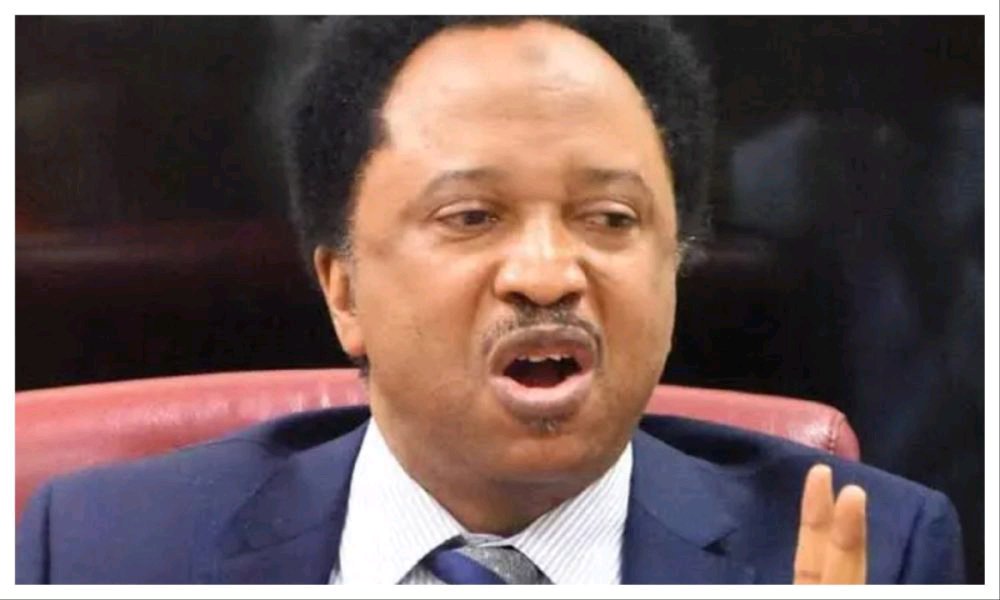
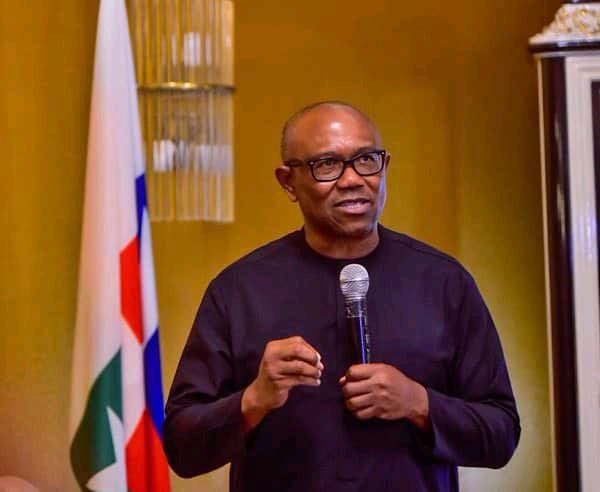
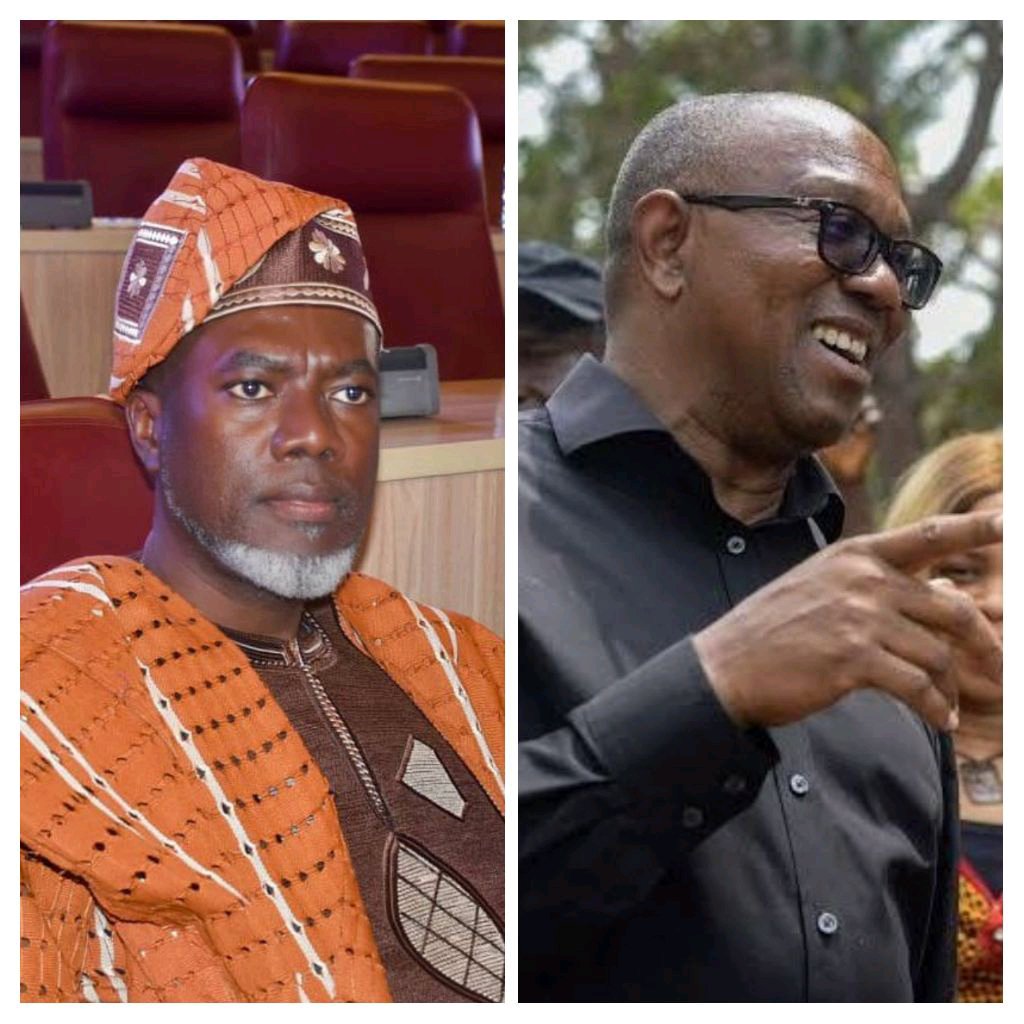
According to a report by Daily Post on Sunday, May 3, 2026, former lawmaker and social commentator, Shehu Sani, has reacted to the growing political tension surrounding the reported exit of former presidential candidates Peter Obi and Rabiu Kwankwaso from the African Democratic Congress ahead of the 2027 general elections.
His comments came amid increasing disagreements among opposition supporters over possible political realignments and coalition plans involving major political figures preparing for the next election cycle.
The development has continued to generate debate within opposition circles, especially among supporters of different political blocs seeking influence within emerging alliances.
Reports surrounding the situation indicated that Obi and Kwankwaso had decided to discontinue their association with the ADC as consultations over future political platforms intensified.
Both politicians were presidential candidates during the 2023 general elections and remain influential figures within Nigeria’s opposition space.
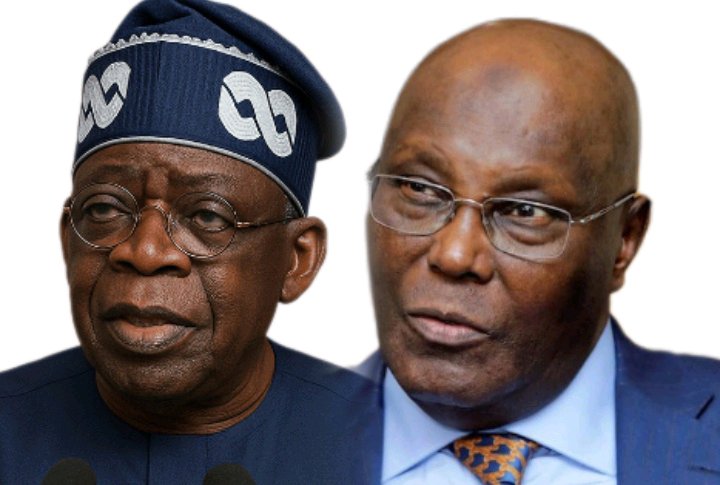
Their possible exit from the ADC has drawn reactions from different political groups and supporters, particularly individuals aligned with former Vice President Atiku Abubakar.
Some supporters of Atiku were said to have criticized the decision of Obi and Kwankwaso, accusing them of weakening opposition unity at a time when coalition efforts are becoming increasingly important ahead of future elections.
The disagreement reflects the wider competition currently taking place among opposition politicians as they attempt to position themselves strategically before the 2027 polls.
Political discussions among opposition leaders have focused largely on coalition building, party mergers, and the possibility of presenting a united front against the ruling party.
However, internal disagreements and competing interests continue to affect the pace of those discussions.
The reported departure of Obi and Kwankwaso from the ADC has therefore added another layer of uncertainty to ongoing political negotiations among opposition groups.
Reacting to the controversy, Shehu Sani shared his views through a statement posted on his social media page.
In his remarks, he appeared to defend the decision taken by Obi and Kwankwaso while criticizing some elements within the ADC.
According to him, the two politicians may have observed certain developments among influential figures within the party and decided it was no longer politically safe or beneficial to remain.
His comments suggested that internal calculations and strategic concerns may have influenced the reported decision to leave the party before major political arrangements are finalized.
Sani used symbolic and humorous language to describe the situation, implying that Obi and Kwankwaso acted quickly after noticing political activities they considered unfavorable.
His statement reflected the intense atmosphere currently surrounding opposition politics in the country, where alliances and loyalties are shifting as political actors seek stronger positions ahead of the next elections.
The former senator’s remarks also highlighted how public commentary and social media have become central to political communication in Nigeria, especially during periods of political uncertainty and negotiation.
The political relationship between Obi, Kwankwaso, and other opposition leaders has remained a major topic of discussion since the conclusion of the 2023 presidential election.
Obi contested under the Labour Party during the election, while Kwankwaso represented the New Nigeria People’s Party.
Since then, there have been repeated discussions about possible cooperation among opposition politicians interested in challenging the ruling party in future elections.
However, differences in political ambition, party structure, and leadership strategy have continued to create obstacles to a fully united opposition coalition.
Supporters of different political figures have also become increasingly vocal online and at political gatherings, often defending their preferred leaders while criticizing rival camps within the opposition movement.
The latest disagreement involving supporters of Atiku, Obi, and Kwankwaso reflects the broader challenge facing opposition parties attempting to coordinate their interests.
Political analysts believe that the ability of opposition leaders to manage internal disputes and maintain unity may play an important role in shaping the political landscape ahead of the next election cycle.
The ADC has in recent months attracted attention as one of the platforms being considered by opposition figures interested in coalition politics.
Discussions involving party leadership and prominent politicians have focused on creating a stronger political structure capable of competing effectively at the national level.
However, reports of internal disagreement and dissatisfaction among some political actors have raised questions about the stability of those arrangements.
The reported decision of Obi and Kwankwaso to distance themselves from the party has therefore become part of wider conversations about the future of opposition politics in Nigeria.
He said, “They wanted to rob Peter to pay Paul,Peter sighted the gang at Gwagwalada and he ran away.”……See More







Leave a Reply