

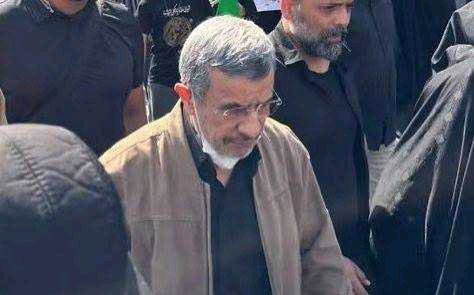
According to a report by The Telegraph on Tuesday, July 7, 2026, former Iranian President Mahmoud Ahmadinejad has made his first public appearance since the outbreak of the Iran-Israel conflict, weeks after reports circulated in some media outlets claiming he had been killed during the early stages of the war.
Ahmadinejad, who served as Iran’s president from 2005 to 2013, was seen on Monday among thousands of mourners attending the funeral procession for Iran’s late Supreme Leader, Ayatollah Ali Khamenei, in Tehran.
His appearance comes after widespread speculation over his fate following reports that emerged when the conflict began, alleging that he had died after a missile reportedly struck near his residence during Israeli and U.S. attacks targeting senior Iranian officials. Ahmadinejad had not been seen publicly in the months that followed, fueling further uncertainty over his whereabouts.
Photographs from Monday’s funeral showed the former president standing among mourners dressed in black. He was seen wearing a dark jacket with a face mask pulled down around his neck as crowds gathered in the Iranian capital to pay their final respects to Khamenei.
The funeral procession featured the flag-draped coffin of the late Supreme Leader alongside the coffins of members of his family who were reportedly killed in a February 28 airstrike. The coffins were transported on a specially decorated truck designed to resemble the ornate shrine of a revered imam.
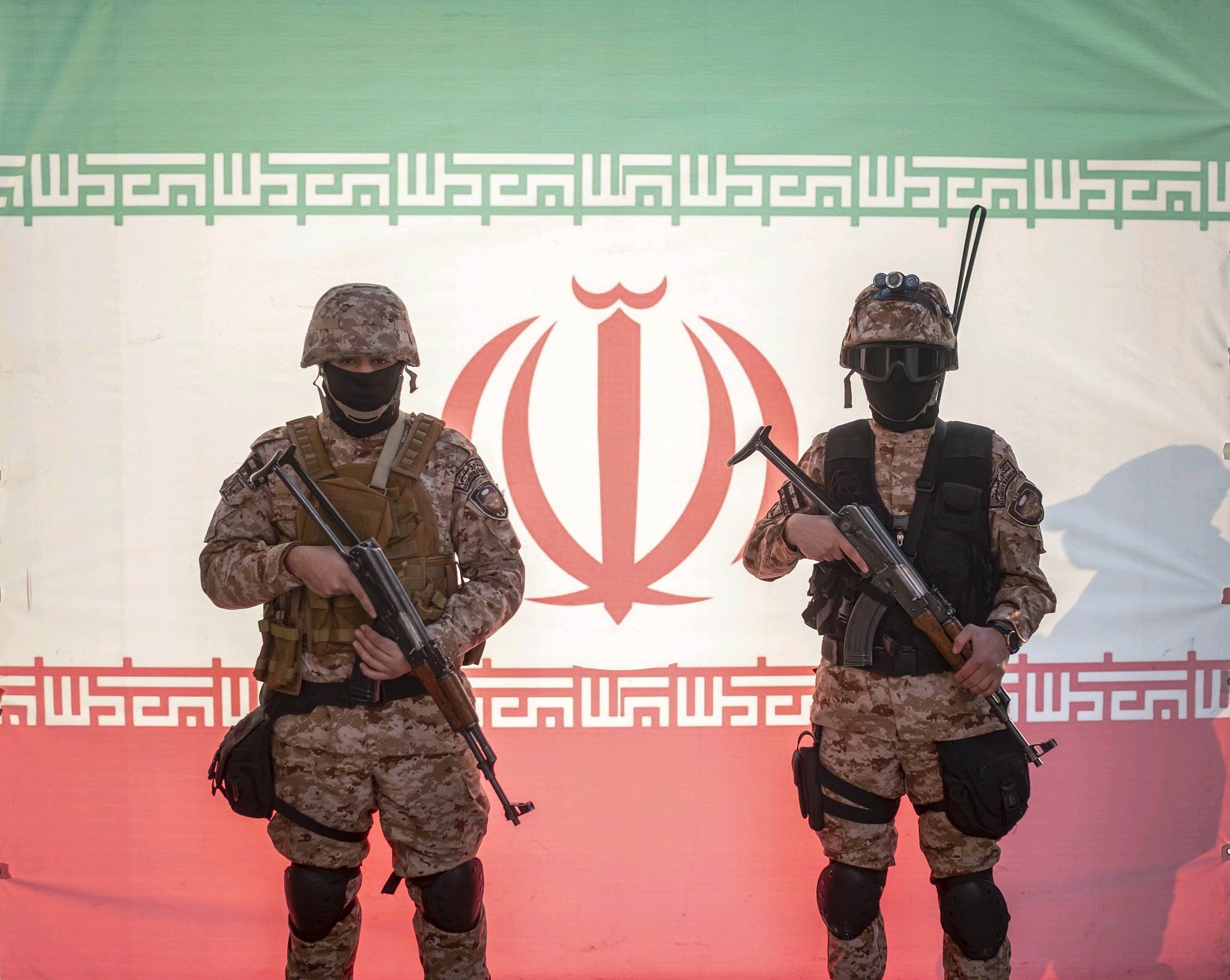
Iranian authorities presented the massive turnout as a demonstration of national unity and resilience following months of conflict. State television broadcast aerial footage showing huge crowds stretching from Tehran’s Azadi (Freedom) Square along the city’s major thoroughfares.
Although officials did not immediately release an official attendance figure, observers noted that the crowd appeared larger than the funeral procession held in 2020 for the late Revolutionary Guard commander Qassem Soleimani, which attracted more than one million mourners.
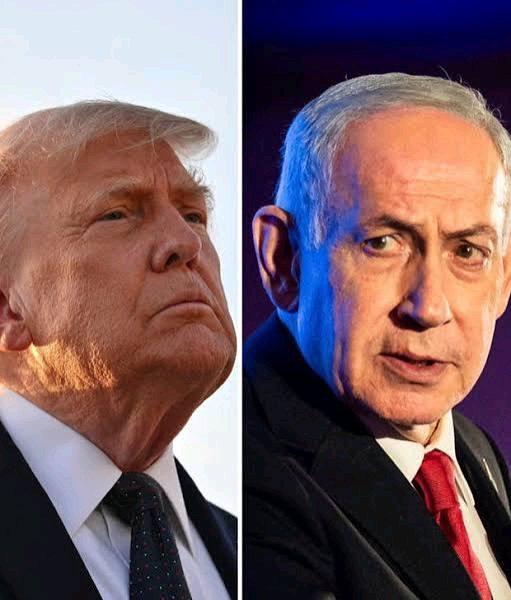
Throughout the procession, many participants carried banners and placards expressing hostility toward the United States and President Donald Trump. Some signs reportedly called for Trump’s death, reflecting longstanding tensions between Tehran and Washington.
U.S. authorities have for years maintained heightened security around Trump and several former administration officials, citing concerns over potential Iranian retaliation linked to the 2020 U.S. drone strike that killed Soleimani, commander of Iran’s elite Quds Force. Tehran has consistently denied plotting attacks against Trump despite repeated accusations from U.S. officials.
The funeral takes place against the backdrop of delicate diplomatic efforts between Iran and the United States aimed at securing a lasting end to the conflict. Negotiations are expected to focus on reopening the Strait of Hormuz, easing regional tensions, and addressing concerns over Iran’s nuclear programme.
The Strait of Hormuz remains one of the world’s most strategically important shipping routes for global energy supplies. Iran temporarily shut the waterway during the conflict, while the United States has continued to oppose Tehran’s demands regarding control of the passage.
Other contentious issues expected to feature in the negotiations include Iran’s support for Hezbollah in Lebanon and the future of its nuclear activities.
Meanwhile, Iran’s new Supreme Leader, Ayatollah Mojtaba Khamenei, has not appeared publicly during the ongoing funeral ceremonies. Reports suggest he has remained out of public view after allegedly sustaining injuries in the airstrike that killed his father.
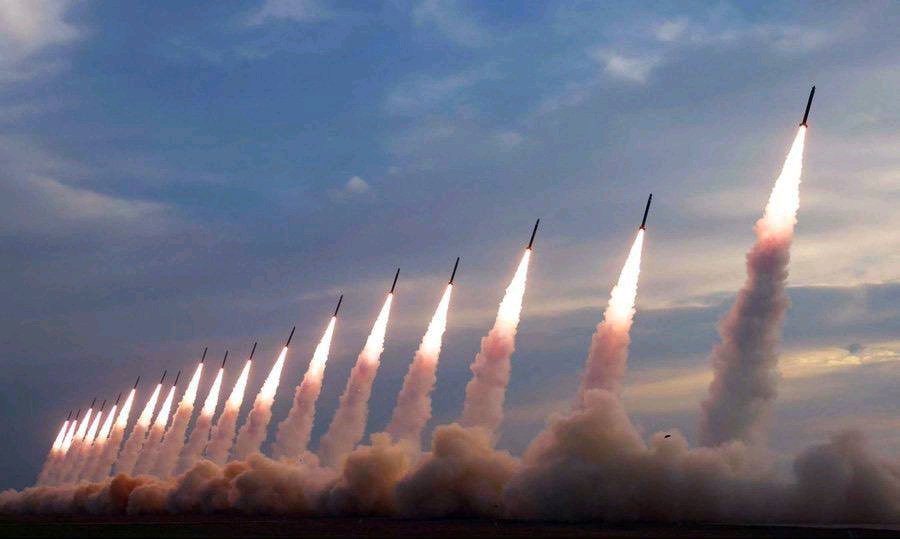
During the height of the conflict, Israel carried out a series of strikes targeting senior Iranian political and military figures, with some attacks reportedly relying on intelligence gathered from public appearances. Israeli officials have also previously threatened to target Iran’s new leadership if hostilities resume……See More



Leave a Reply