

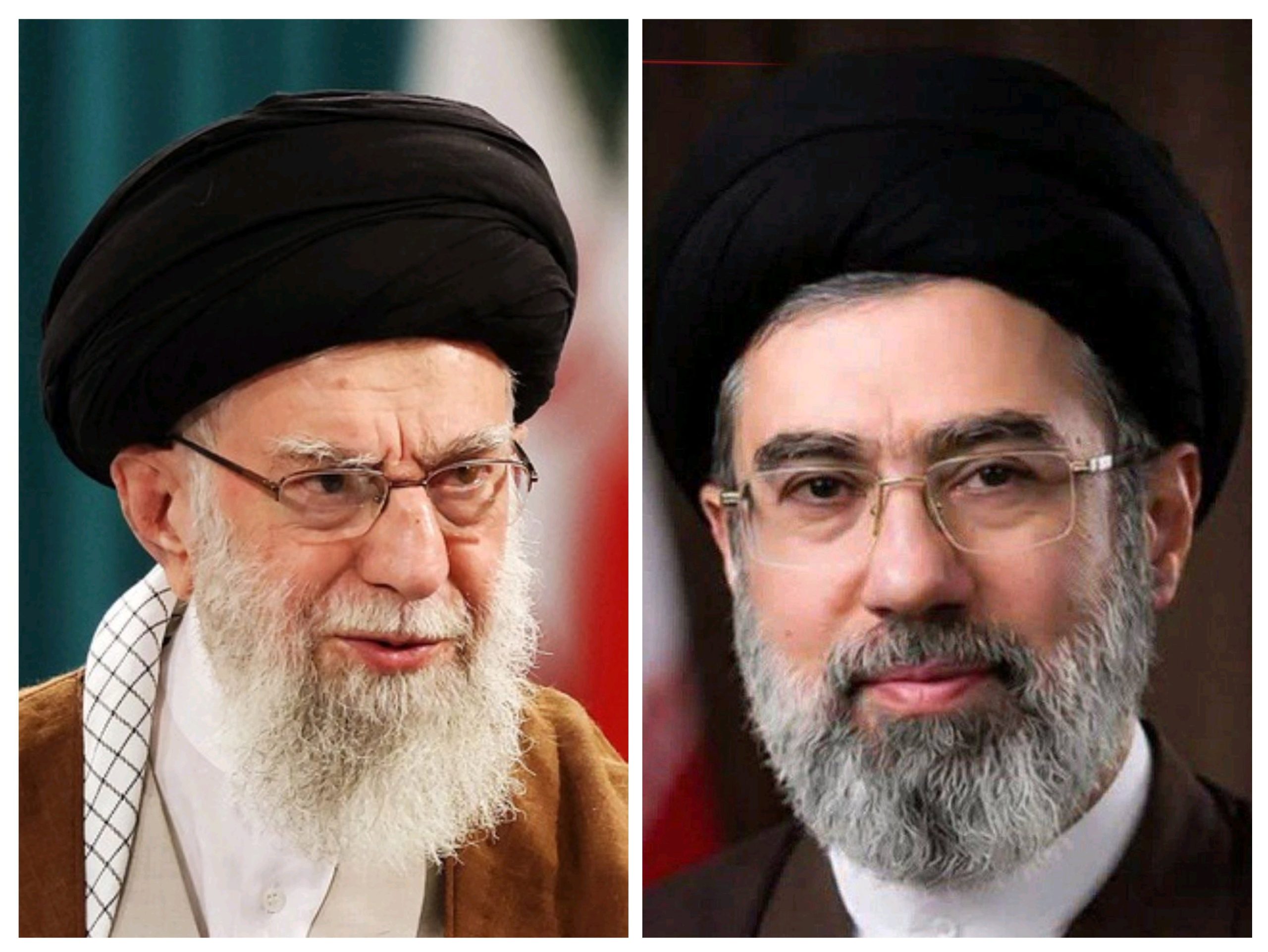
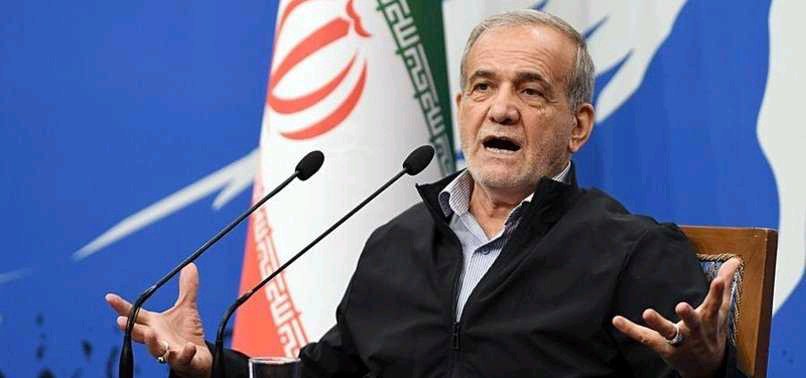
According to a video on Channel 4 News, on Saturday June 6, 2026, Professor Sadegh Zibakalam argued that whoever succeeds the late Supreme Leader Ali Khamenei — including his son Mojtaba, who has been widely discussed as a possible successor, would face an enormous structural challenge in attempting to replicate the level of authority and influence the elder Khamenei had spent nearly four decades accumulating.
Zibakalam made the observation while responding to questions about whether Iran’s hardline establishment could simply reconstitute itself under new leadership.
He was firm in his view that the kind of supreme authority Khamenei had exercised was the product of a very particular and lengthy political process that could not simply be transferred or assumed.
In his words, Sadegh Zibakalam said, “It took thirty-six years for his father to have the upper hand, and Mojtaba Khamenei cannot have the upper hand so easily.
“It is not the authority per se — it is the status that you will have. It took thirty-six years for Khamenei to gain, to establish, to build that power. And Mojtaba cannot have that power and cannot have that status.” he said.
Zibakalam acknowledged that some observers believed Mojtaba shared his father’s revolutionary convictions and might even be more ideologically committed.
However, he said this did not change the fundamental political reality, which was that authority in the Islamic Republic was not merely inherited through family lineage or official appointment but was earned through years of institutional relationships, demonstrated loyalty, and the gradual accumulation of deference from powerful bodies including the Revolutionary Guard and the clergy.
He suggested this structural weakness at the top of the hardline establishment was itself an opportunity for moderates, who now had room to assert positions they had long held privately but could not express publicly under the previous supreme leader.
















Leave a Reply