

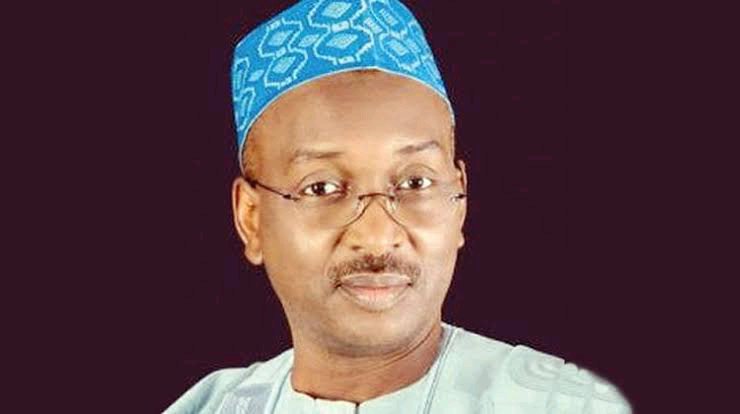
According to a report by Daily Post on Sunday, May 3, 2026, a chieftain of the African Democratic Congress, Salihu Mohammed Lukman, has issued a warning to former Kano State Governor Rabiu Musa Kwankwaso over ongoing political consultations and possible realignments ahead of the 2027 general elections.
Lukman expressed concern about reports suggesting that Kwankwaso may be considering a political exit from the coalition arrangements currently being discussed among opposition leaders.
His comments focused on the importance of unity within opposition ranks and the potential consequences of frequent political movement at a time when efforts are being made to build a stronger alternative platform.
Lukman’s statement, released on Sunday, reflected his role in the negotiations that contributed to the formation of the current coalition discussions within the opposition space.
According to him, the process of bringing different political actors together was based on the understanding that unity among opposition leaders is a critical factor for electoral success.
He explained that the coalition was designed to reduce fragmentation within opposition politics and create a more coordinated structure capable of competing effectively in future elections.
He noted that previous electoral outcomes have demonstrated the impact of divided opposition forces on election results.
He further explained that the ruling party’s performance in the 2023 general elections was influenced in part by the inability of opposition parties to present a united front.
Lukman pointed out that political fragmentation among opposition groups contributed to a narrow victory margin for the ruling party.
According to him, this experience should serve as a lesson for political actors who are currently engaged in coalition discussions.
He emphasized that unity remains one of the most important factors in determining electoral strength and political influence in Nigeria’s democratic system.
Lukman also expressed concern about what he described as a growing trend of personal ambition overriding collective political goals among some leaders.
He stated that it is troubling to see individuals who have the capacity to contribute meaningfully to national development becoming more focused on personal political calculations.
According to him, political leadership should be guided by the desire to serve the public rather than individual advancement.
He suggested that frequent considerations of exit from coalition arrangements could weaken trust among supporters and reduce confidence in opposition efforts.
In his statement, Lukman warned that any decision by Kwankwaso to leave the ADC coalition structure could affect public perception of his political intentions.
He argued that such a move might be interpreted as a lack of commitment to collective political engagement and could diminish the influence of any leader who chooses to abandon a coalition after joining it.
He stressed that political credibility is built through consistency, patience, and the ability to remain committed to shared goals even during periods of disagreement or internal tension.
The ongoing political discussions involving Kwankwaso have attracted attention due to his prominent role in opposition politics, especially following his candidacy under the New Nigeria People’s Party during the 2023 elections.
Since then, he has remained a key figure in coalition talks involving various opposition platforms seeking to build a stronger political structure ahead of the next general elections.
Reports of consultations with different political groups have continued to generate discussion among political observers, particularly regarding the direction of opposition alliances.
Lukman highlighted that coalition building requires careful negotiation, patience, and long-term commitment from all participants.
He explained that disagreements are a normal part of political collaboration, but they should be managed internally rather than leading to immediate withdrawal.
According to him, successful coalitions depend on the ability of leaders to remain focused on shared objectives despite differences in opinion or strategy.
He noted that instability within coalition arrangements could discourage supporters and weaken the overall structure of opposition politics.
He also stressed that political movements should prioritize national interest over individual ambition.
Lukman explained that opposition politics in Nigeria has often struggled due to internal divisions and competing interests among leaders.
He suggested that unless political actors commit to collective decision-making, efforts to build a strong alternative platform may face repeated setbacks.
According to him, leadership requires sacrifice and a willingness to place public interest above personal political calculations.
The broader opposition landscape continues to experience active negotiations and discussions involving several prominent political figures, including former Vice President Atiku Abubakar and former Anambra State governor Peter Obi.
These discussions have centered on the possibility of forming alliances capable of challenging the ruling party in future elections.
However, differences in political strategy, leadership ambitions, and party structures have continued to shape the direction of these talks.
He said, “Having been privileged to be at the centre of the negotiations that produced the coalition, it is important to highlight some of the factors that were considered leading to what we have today. The first issue is that unity of all opposition leaders under one political platform is a critical success factor for electoral victory. APC won the 2023 election marginally because the opposition was divided.”…..See More



Leave a Reply