

According to a report by The Jerusalem Post on Sunday, May 24, 2026, Israeli officials have expressed strong reservations over an emerging United States–Iran agreement, warning that the draft framework does not adequately address broader security threats beyond Iran’s nuclear programme.
According to Israeli sources cited by The Jerusalem Post, the proposed arrangement has been described as “a bad deal” due to its limited scope. One official stated that even if all enriched uranium were eventually removed from Iran, the agreement still fails to confront Tehran’s missile capabilities and its network of regional allied groups.
“The framework agreement is not good, and even if a final agreement is signed and all enriched uranium is removed from Iran, which is a big ‘if’, the deal does not address the issue of Iran’s missile program or its network of regional proxies,” the official said.
Concerns in Jerusalem also focus on the potential operational impact for Israel, particularly regarding freedom of action in Lebanon and other regional theatres where Iranian influence is present.
“Nothing is final yet, but this is an agreement that could affect whether and how we are able to operate,” another Israeli official said.
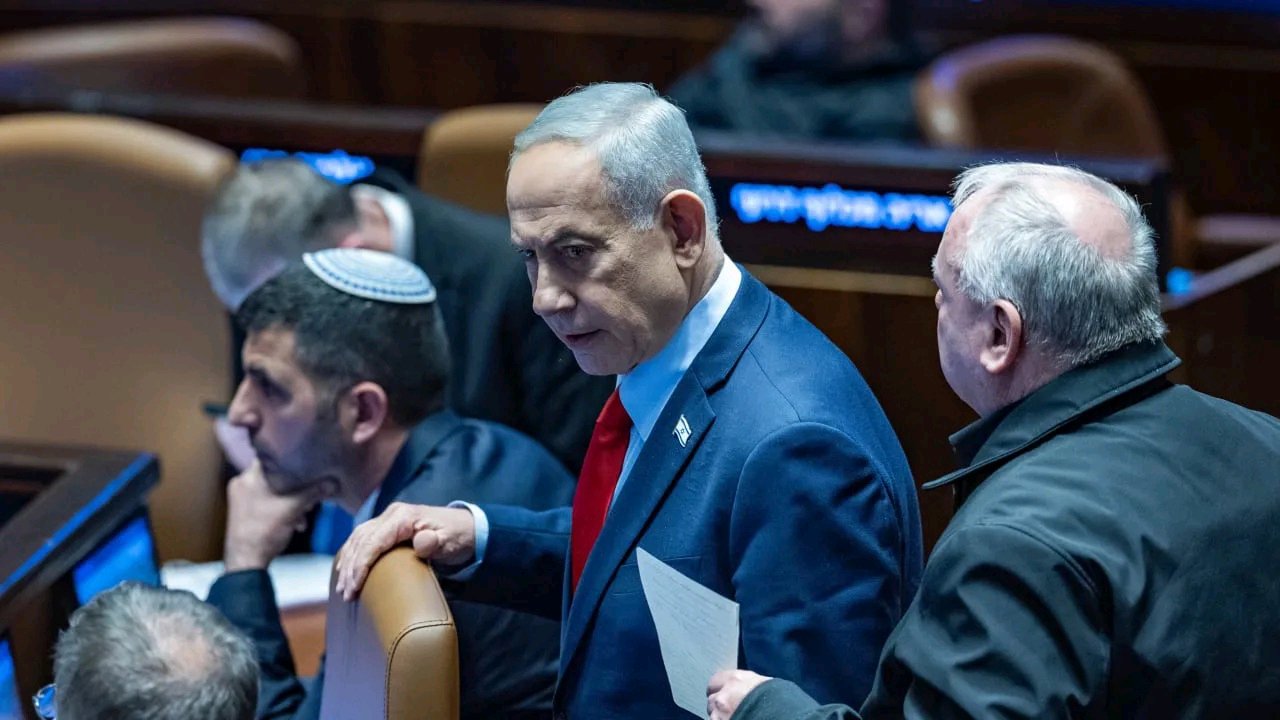
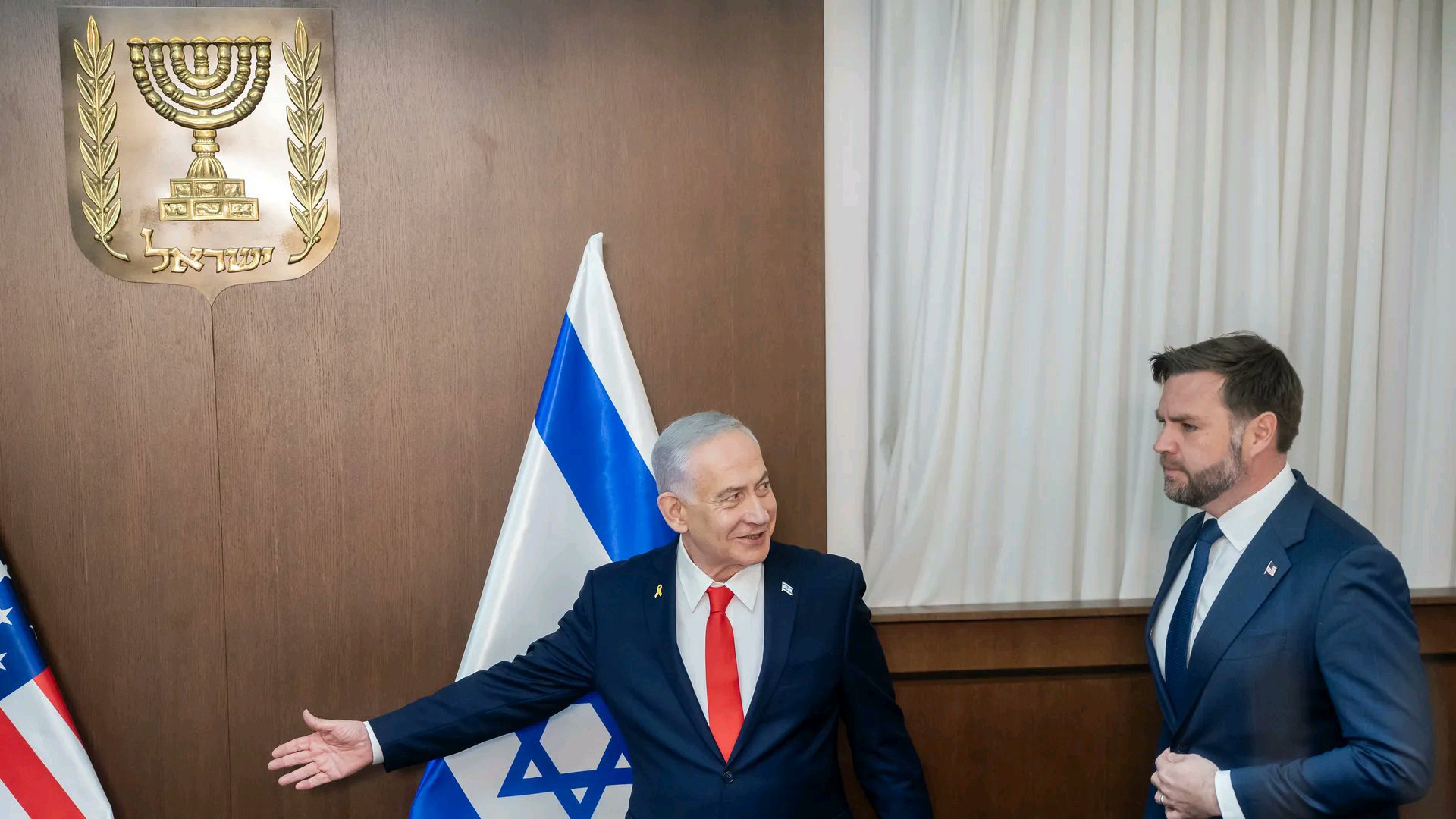
Prime Minister Benjamin Netanyahu convened a limited security meeting on Sunday with senior ministers and defence officials to assess the implications of the ongoing negotiations.
Israeli assessments suggest that the current US administration is actively pursuing a deal, while final approval may ultimately depend on Iran’s Supreme Leader.
A senior US official told reporters that Washington believes Iran’s leadership has given at least preliminary approval to the framework. The Trump administration also indicated that negotiations remain active but have made substantial progress.
“The US official told reporters that there was a ‘broad commitment’ on the principles of the agreement,” the official said, adding that Washington remains optimistic while acknowledging that finalisation is still pending.
Reports from US media outlets indicate that the proposed deal could involve Iran reopening the Strait of Hormuz in exchange for eased restrictions on Iranian ports, alongside potential sanctions relief tied to nuclear limitations.
CBS reported that the framework may also include mutual concessions on nuclear enrichment and economic measures.
However, White House officials stressed that no final agreement is expected immediately, noting that Iran’s leadership may require additional time to review and approve any final text through its internal decision-making process…..See More














Leave a Reply