

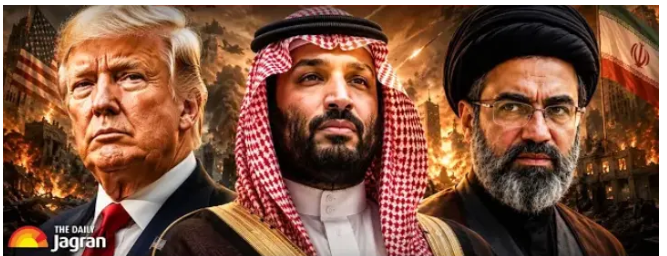
According to a report by Al Jazeera on Wednesday, July 22, 2026, a geopolitical debate emerged after United States approved a long-term nuclear agreement with Saudi Arabia(KSA) following tensions with Iran.
The development, covered by Al Jazeera and others, has drawn scrutiny from critics who describe the agreement as reflecting a potential shift in international policy priorities.
At the center is a reported 30-year framework supporting Saudi Arabia’s civilian nuclear ambitions while placing limits on operations, particularly restricting domestic uranium enrichment, a key issue in regional nuclear negotiations.
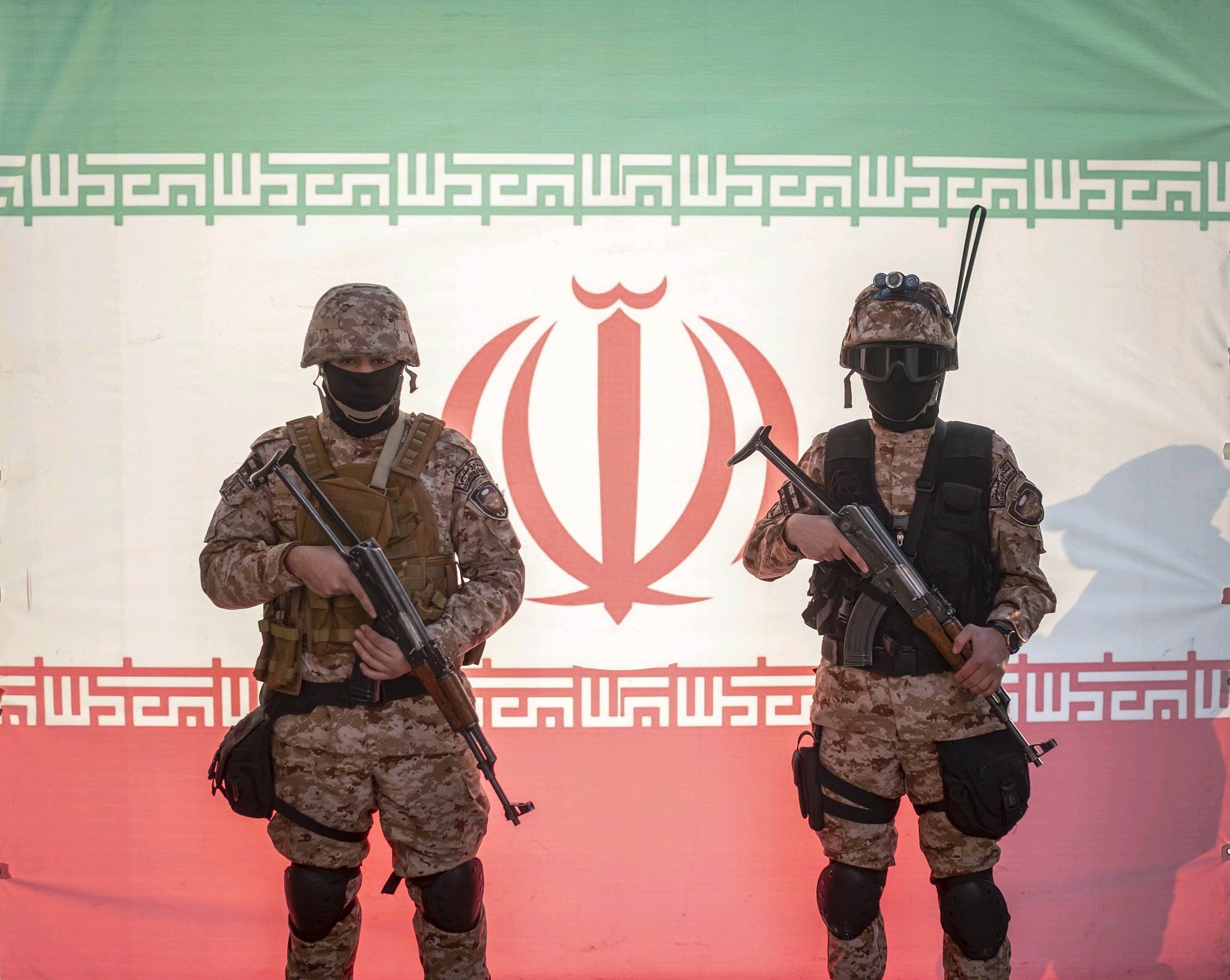
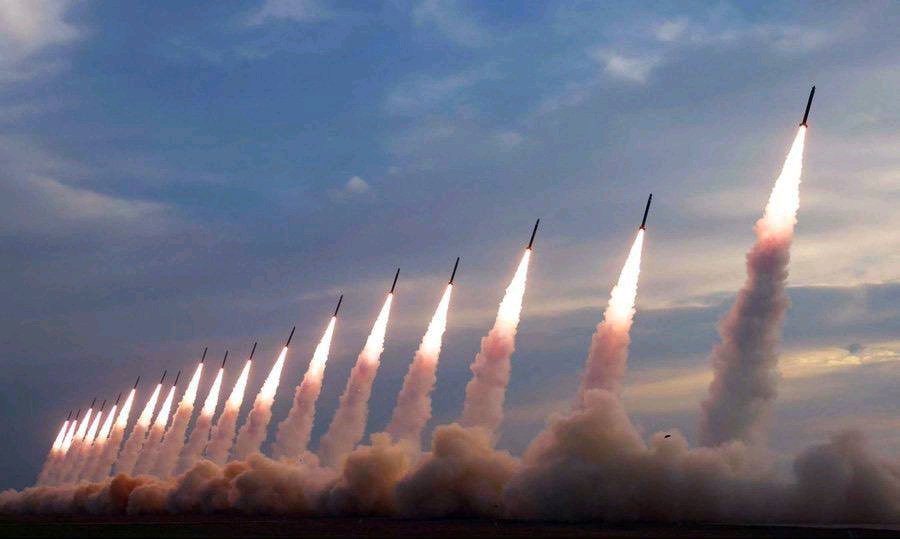
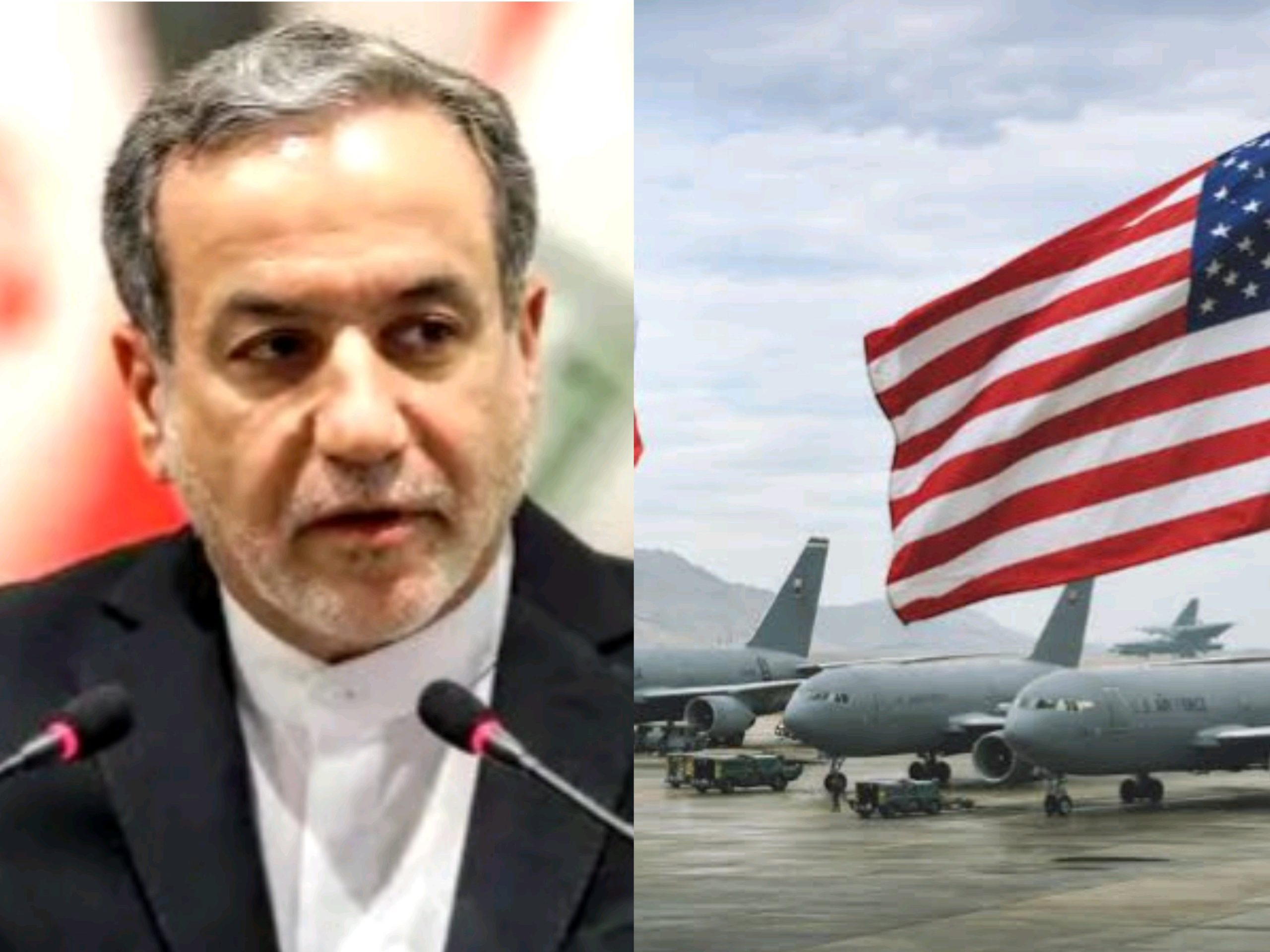
Observers highlight contrasts with earlier tensions involving Iran, where uranium enrichment triggered confrontation, raising questions about consistency as similar nuclear development efforts receive conditional support in Saudi Arabia under the agreement.
Supporters argue the deal represents a strategic move to strengthen alliances and stabilize energy partnerships, as Saudi Arabia explores nuclear energy to diversify its economy beyond oil.
The issue of uranium enrichment remains sensitive because it intersects civilian energy use with potential military capability, meaning even restricted nuclear infrastructure attracts global attention due to its dual-use implications.
Analysts note the timing is significant, coming after heightened regional conflict and shifting alliances, reflecting efforts by global powers to recalibrate relationships while balancing security concerns with economic and diplomatic interests.
The agreement highlights broader geopolitical dynamics, as nations navigate complex interests involving energy security, regional stability, and international cooperation amid evolving challenges across the Middle East.
As discussions continue, the deal is expected to remain central in debates about nuclear policy, regional power balance, and the role of international partnerships in shaping future global energy and security frameworks……See More












Leave a Reply