


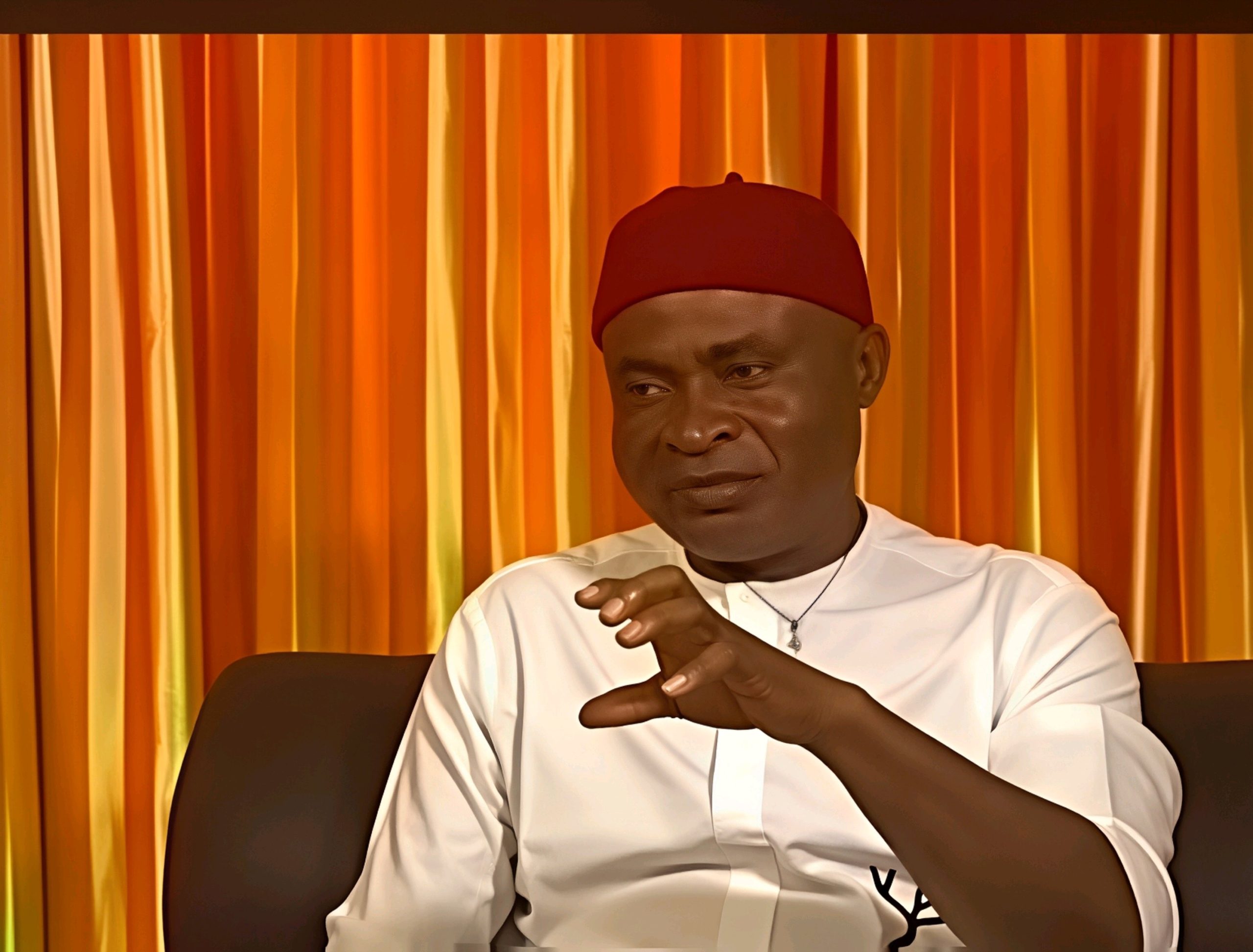
Rabiu Musa Kwankwaso, a prominent figure in the Nigerian Democratic Congress (NDC), has spoken about the role of religion, inclusion, and historical political decisions in shaping Nigeria’s democracy ahead of the 2027 general elections. Speaking during an interview on Trust TV, the former Kano State governor reflected on past electoral events and their continued influence on modern political discussions.
During the interview, Kwankwaso said, “The issue of annulling the MKO and Kingibe Muslim-Muslim ticket is what we have been talking about.” His statement was made while discussing the significance of the 1993 presidential election and the conversations surrounding religious representation in Nigerian politics.
Kwankwaso referenced the election contested by Moshood Kashimawo Olawale Abiola and Babagana Kingibe, describing it as one of the most important moments in Nigeria’s democratic history. According to him, debates surrounding the Muslim-Muslim ticket from that era continue to influence political conversations today, particularly during election periods when issues of zoning and religious balance often become major topics.
He explained that while Nigerians frequently discuss the religious composition of political candidates, leadership quality and effective governance should remain the primary focus. Kwankwaso argued that excessive attention to religious identity can distract citizens from evaluating competence, accountability, and the ability of leaders to address national challenges.
The former governor further noted that Nigeria’s political environment has changed significantly since 1993. He observed that many voters are now more concerned about issues such as insecurity, economic hardship, unemployment, and access to quality education. These factors, he said, are increasingly shaping voter decisions across different parts of the country.
Kwankwaso also stressed that the NDC is committed to promoting inclusive politics that represents the country’s diverse population. He stated that political partnerships and alliances should be based on fairness, trust, and the collective national interest rather than narrow political or religious considerations.
Concluding the interview, Kwankwaso urged political leaders and stakeholders to learn from Nigeria’s political history while working toward a more stable and united democratic system. He maintained that national unity and social cohesion should remain central to all political arrangements as the country prepares for future elections……See More


Leave a Reply