

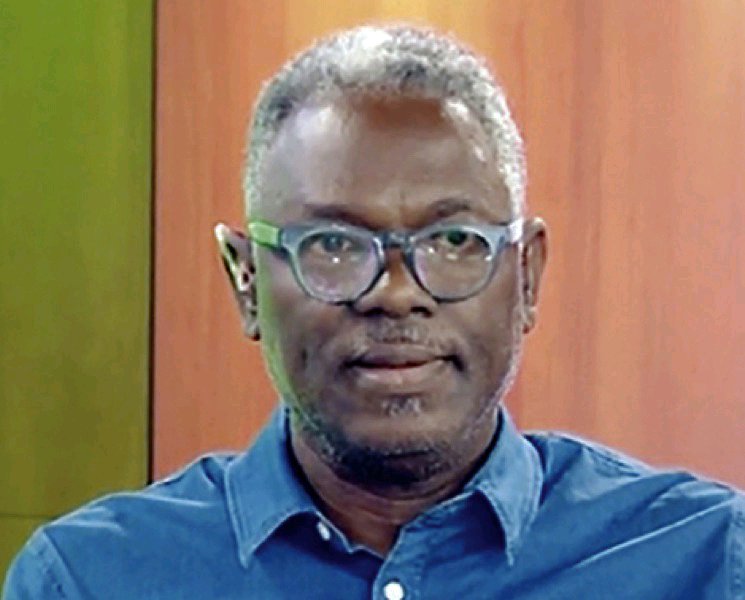
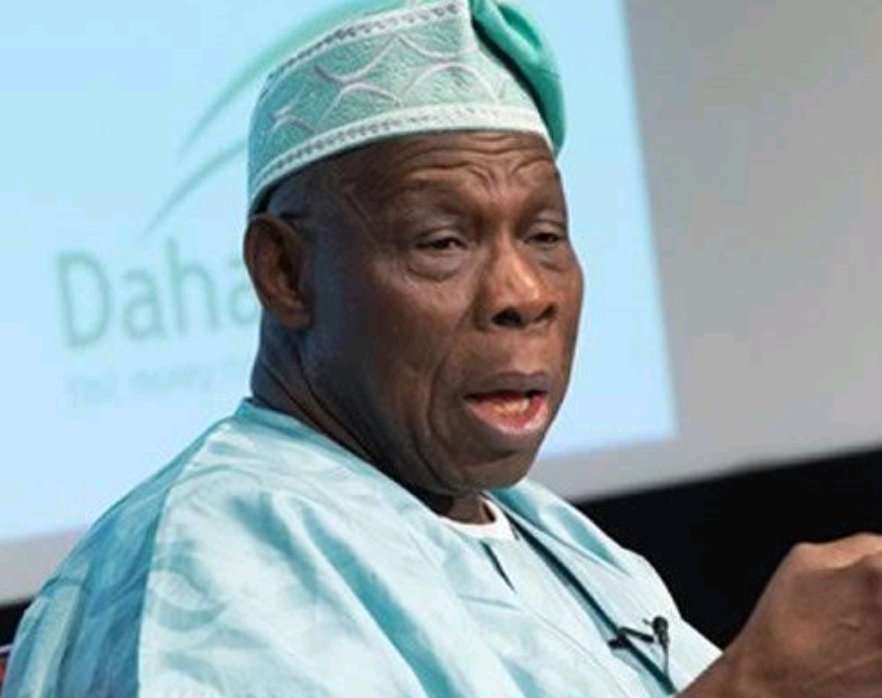
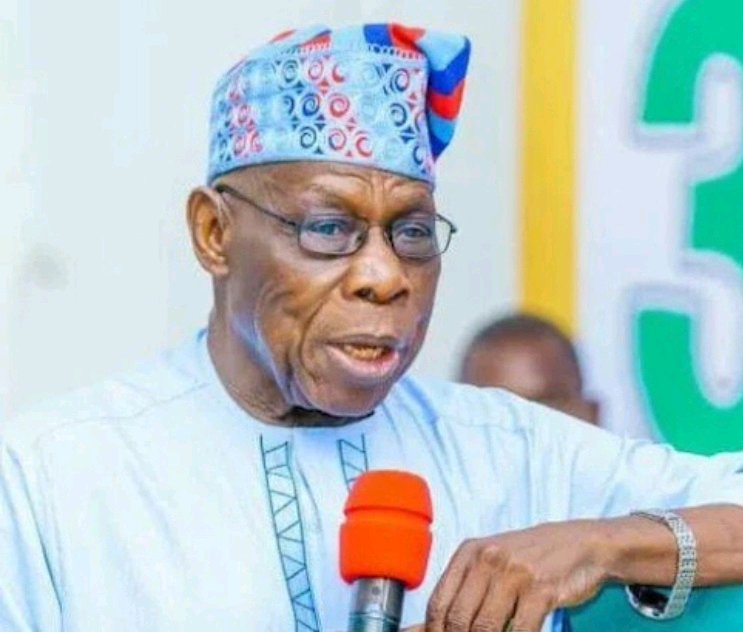
According to a report by The Sun on Sunday, May 31, 2026, Akin Osuntokun, former Political Adviser to former President Olusegun Obasanjo, has expressed concern that many Nigerians are concentrating their attention on who emerges as the country’s next president while paying little attention to the need for constitutional reforms.
According to him, the focus on leadership personalities has overshadowed deeper structural issues that continue to affect governance and national development.
He argued that addressing the foundational framework of the political system should take precedence over debates about individual candidates.
Speaking on the importance of constitutional reform, Osuntokun maintained that the challenges facing Nigeria are rooted in the existing political structure rather than in the individuals occupying leadership positions.
He noted that the country’s governance system has significant weaknesses that limit the effectiveness of any president, regardless of their competence, intentions, or political background.
In his view, meaningful progress can only be achieved through reforms that address the underlying defects within the system.
Responding to a question on why he considers constitutional reform more important than electing a new president, Osuntokun explained that the current constitutional arrangement creates obstacles that make it difficult for leaders to fulfill the expectations of citizens.
He stated that many Nigerians often place excessive hope in incoming administrations without considering the institutional limitations that leaders face once they assume office.
He further stressed that whoever eventually becomes president under the existing political framework may struggle to deliver the level of change expected by the public.
According to him, the structure itself contains flaws that continue to hinder effective governance and weaken accountability.
As a result, leadership transitions alone may not be sufficient to produce the desired transformation in the country.
Osuntokun also pointed to the broader political environment in which any future president would have to operate.
He observed that the challenges extend beyond the office of the president and involve other critical institutions that play major roles in the governance process.
These institutions, he suggested, are shaped by longstanding political practices and networks that are deeply embedded within the system.
The former presidential adviser noted that even candidates regarded by many Nigerians as credible alternatives would still encounter significant difficulties if elected.
He explained that the influence of existing political structures, legislative dynamics, and entrenched interests could restrict the ability of any administration to implement far-reaching reforms.
Consequently, he believes that attention should be directed toward restructuring the political framework to create a more effective and responsive system of government.
He said, “Whoever becomes president under the current structure will likely disappoint Nigerians because the system itself is flawed. Even if someone like Peter Obi who seems to be the closest and best opposition becomes president, he would still have to work with a compromised political structure, including the National Assembly and entrenched patronage networks…..See More


Leave a Reply