

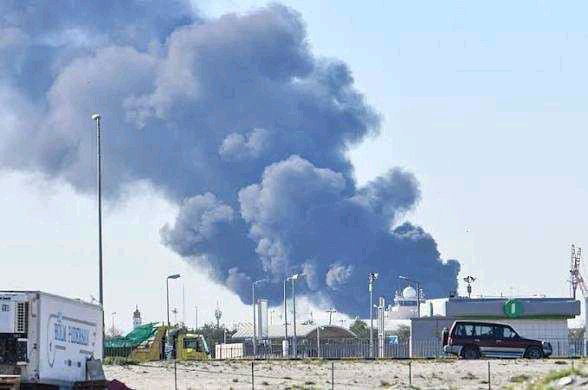
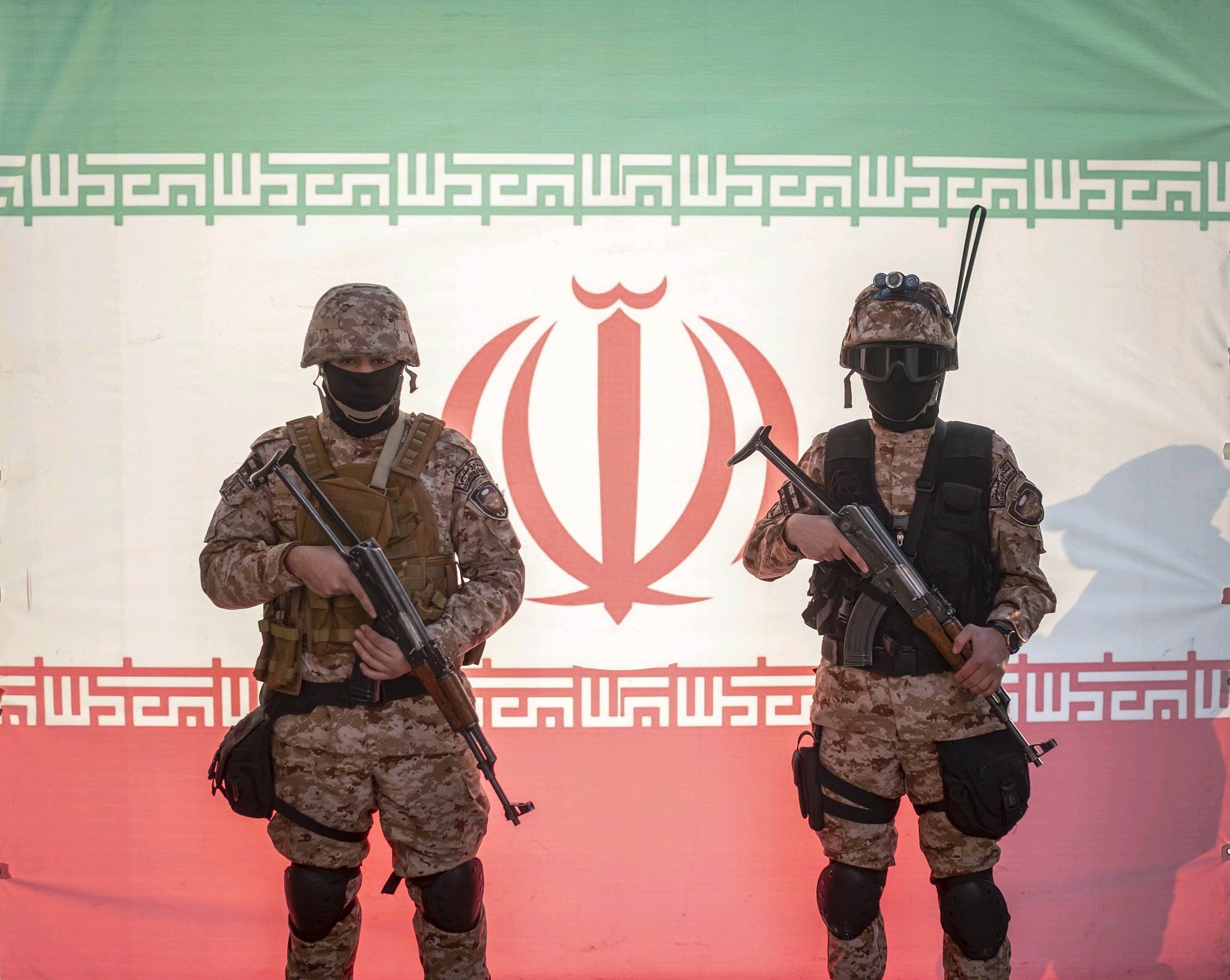
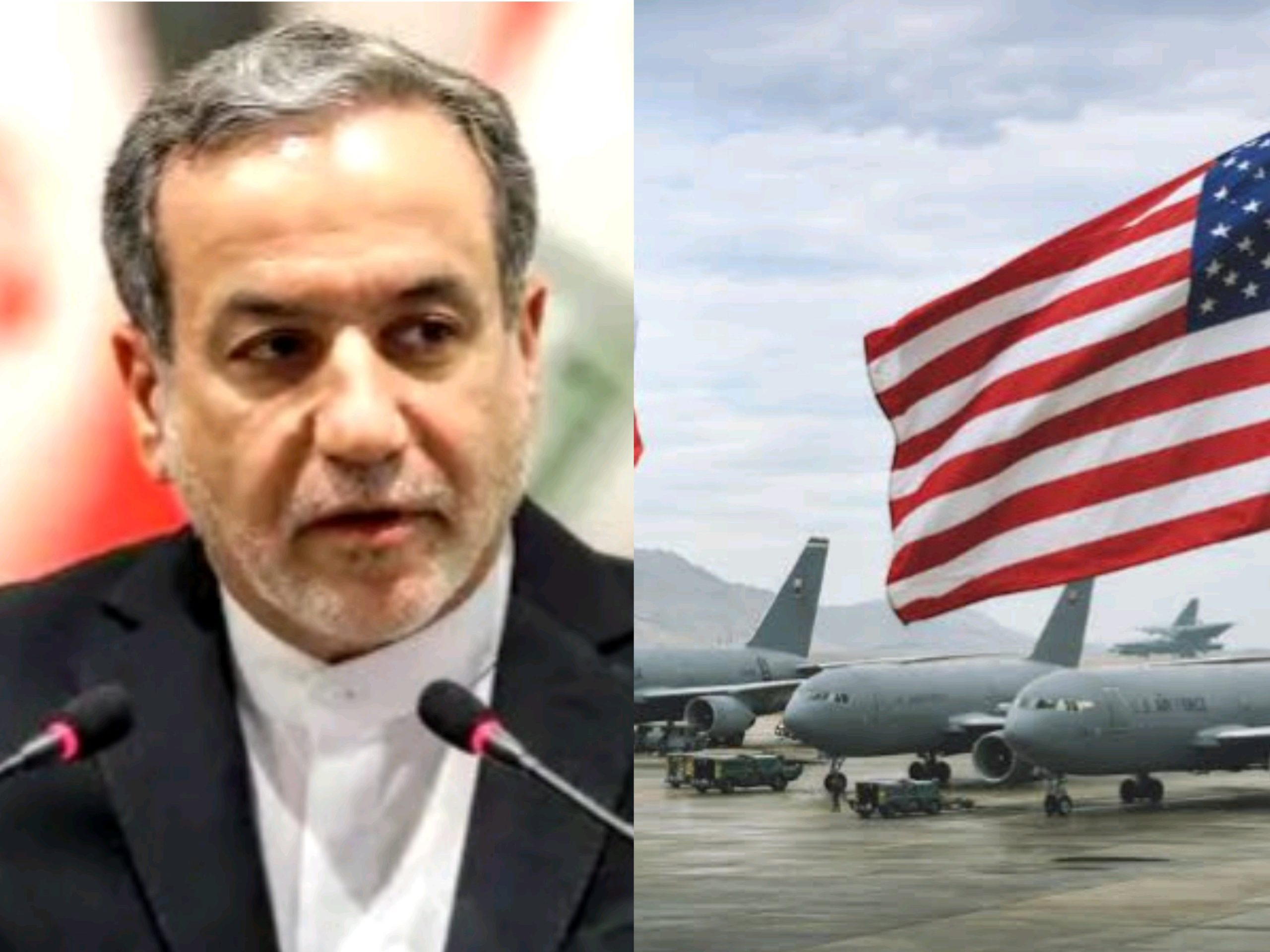
According to a report by The Times of Israel published on Wednesday, July 8, 2026, Iran’s Islamic Revolutionary Guard Corps (IRGC) announced that it had launched a large-scale military operation against United States military facilities in Bahrain and Kuwait in retaliation for recent American strikes on Iranian territory.
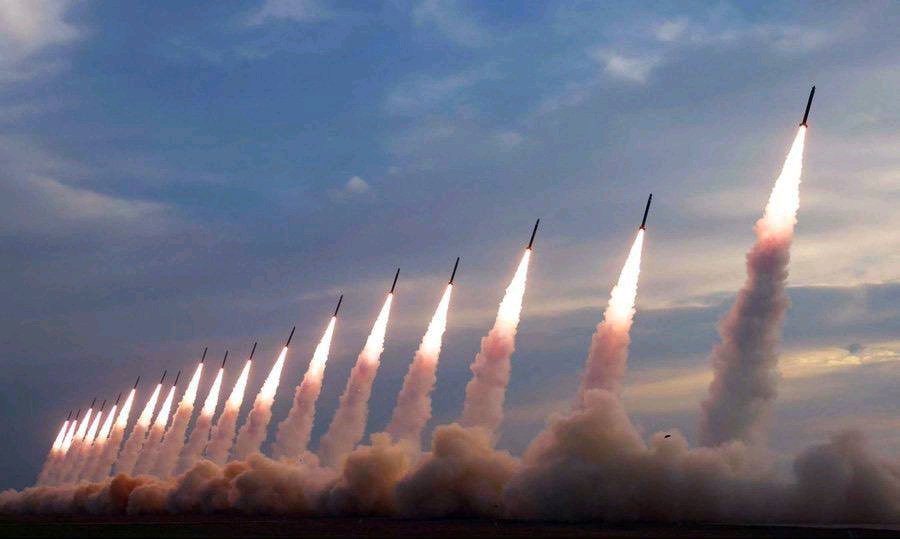
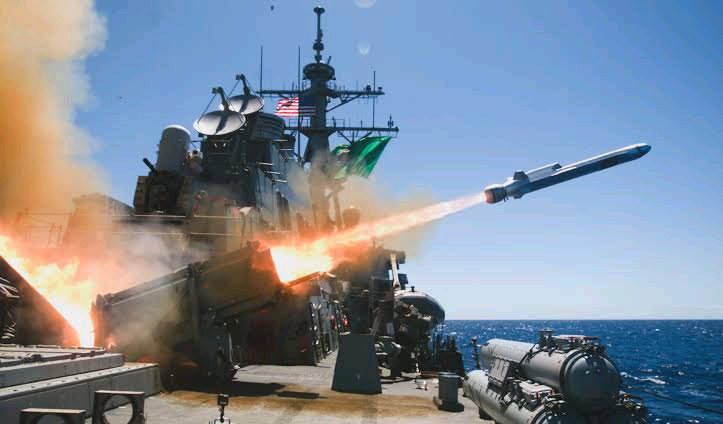
In a statement broadcast by Iran’s state-run media, IRIB, the IRGC said the operation was carried out jointly by its Navy and Aerospace Force using a combination of missiles and drones. The group claimed that 85 strategic US military sites across Bahrain and Kuwait were targeted during the assault. It also alleged that Iranian forces successfully shot down a US MQ-9 Reaper drone.
The IRGC described the attacks as an initial response to what it called American aggression, warning that additional retaliatory actions could follow if the United States launches further military operations against Iran.
Among the locations reportedly struck were the headquarters of the US Fifth Fleet in Bahrain and Kuwait’s Ali Al Salem Air Base, both considered key installations supporting the American military presence in the Gulf.
Iranian military officials maintained that the operation was carefully planned and cautioned that any future attacks by Washington would be met with a far stronger response.
The latest developments come amid escalating tensions between Iran and the United States after recent American military operations in southern Iran.
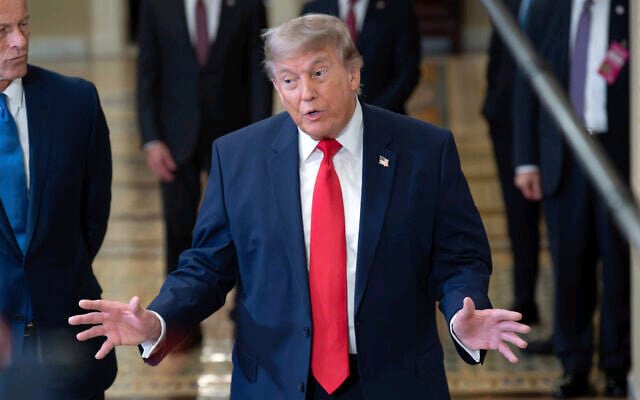
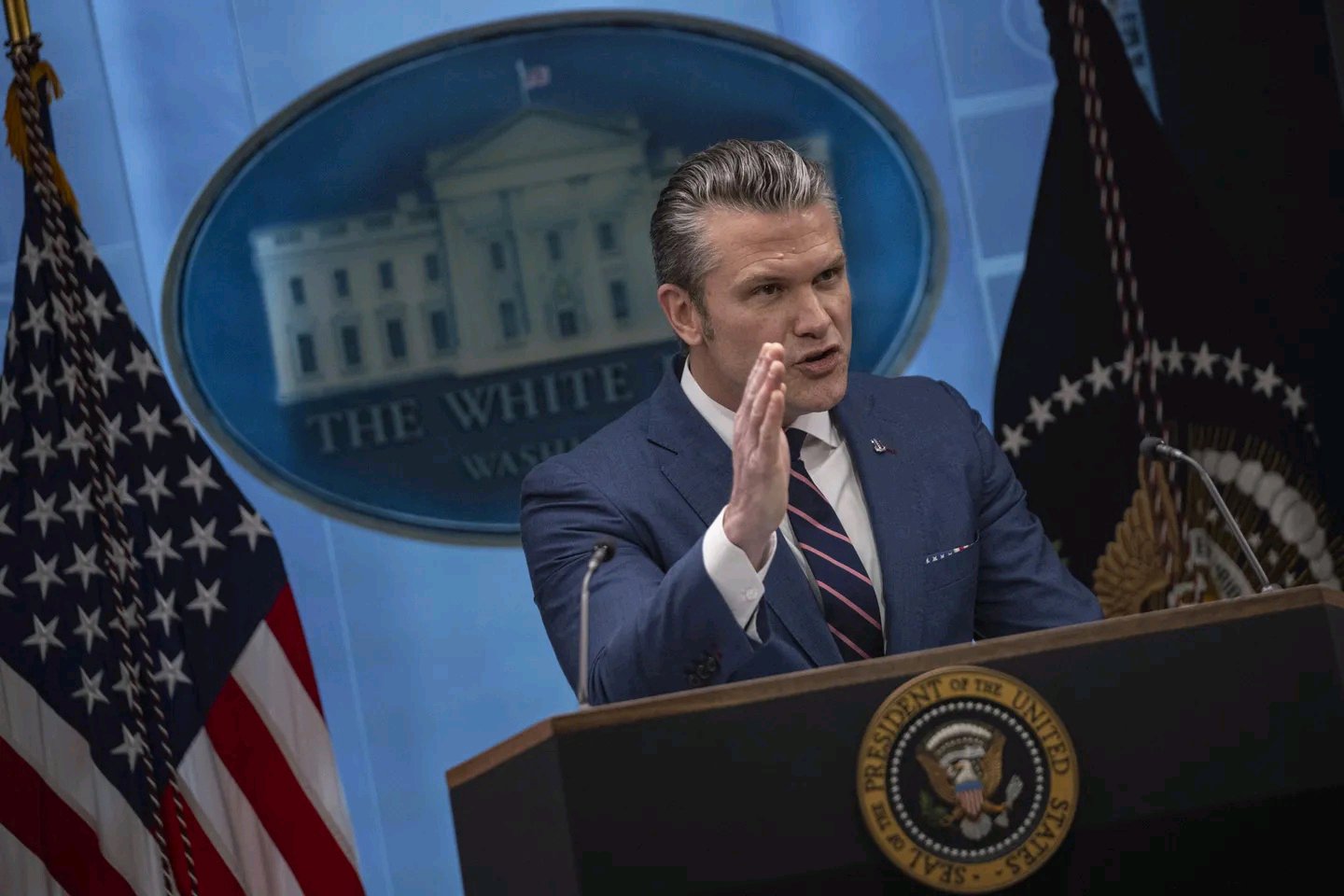
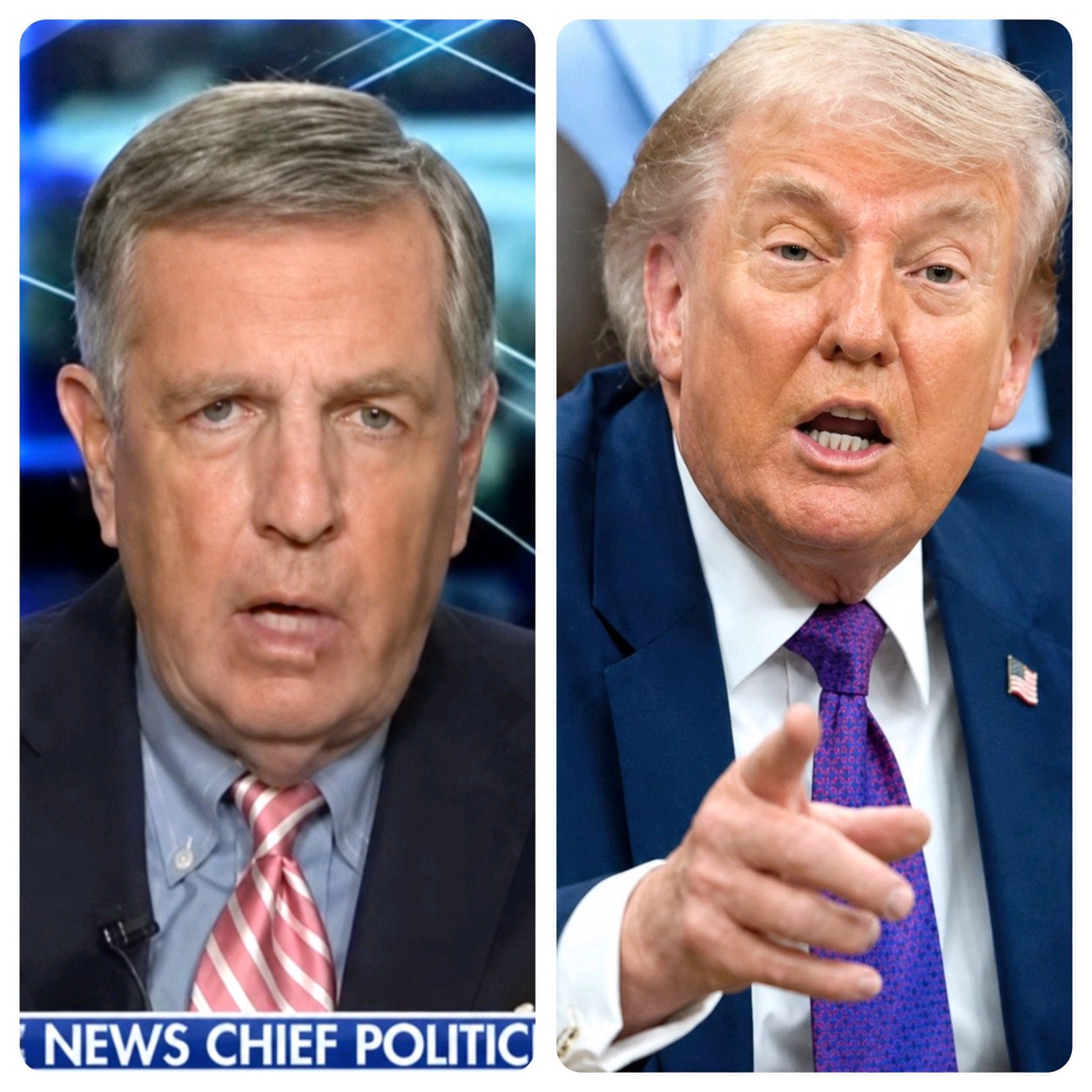
Iranian leaders have also condemned remarks made by US President Donald Trump, accusing his administration of increasing instability across the Middle East. Parliament Speaker Mohammad Bagher Ghalibaf said Trump’s comments would not go unanswered, stressing that Iran would firmly defend its sovereignty against any threats.
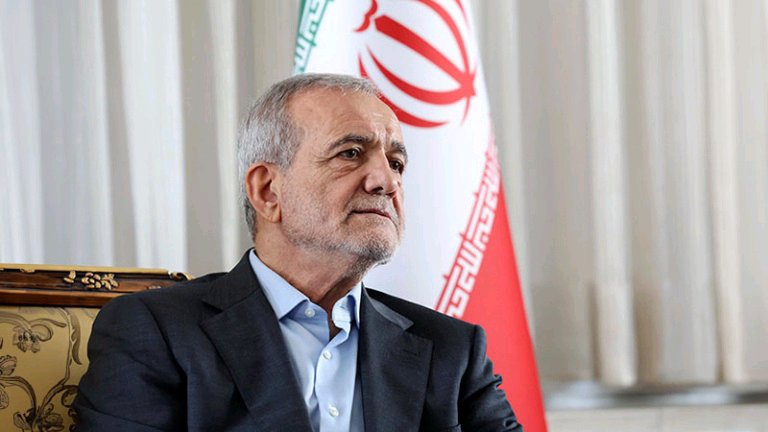
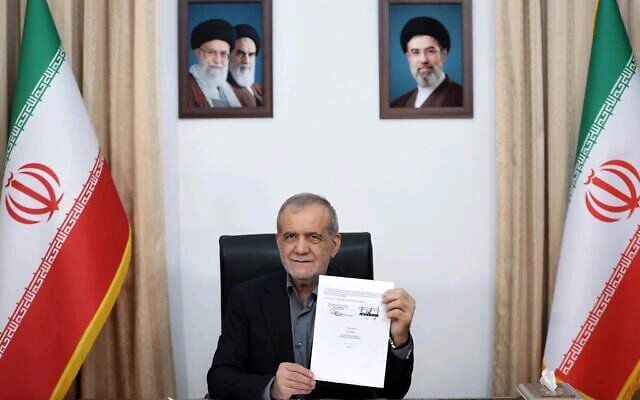
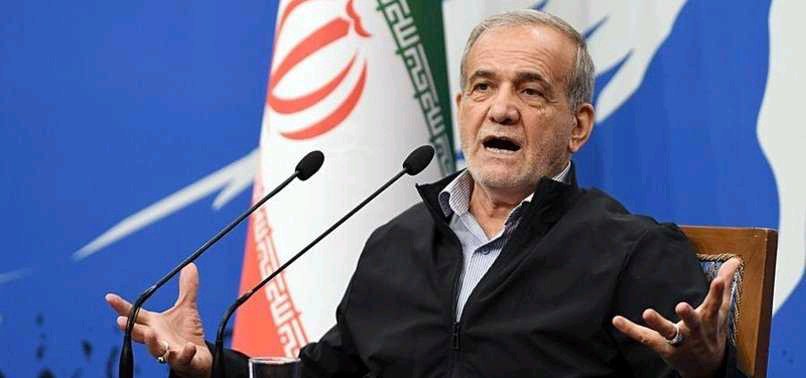
President Masoud Pezeshkian likewise criticized the US government’s recent actions, describing them as dangerous and harmful to regional peace and stability.
Iran’s Foreign Ministry argued that the latest US strikes violated the memorandum of understanding previously reached between Tehran and Washington to ease tensions. Officials said the attacks had damaged prospects for diplomacy and increased the risk of a broader regional conflict.
Tehran also reaffirmed its longstanding position that the Strait of Hormuz should remain under the control of Iran and neighboring Gulf states, including Oman. The strategic waterway is one of the world’s busiest oil shipping routes, making any disruption there a potential threat to global energy supplies.
Iranian officials further criticized Washington’s decision to end waivers related to Iranian oil exports, saying the move has intensified economic pressure on the country while worsening already strained relations.
Meanwhile, authorities in Tehran claimed that public support for the government has strengthened following the recent conflict. They also reported large crowds attending funeral ceremonies for Supreme Leader Ali Khamenei, whom Iranian officials say was killed during military operations they attribute to a US-led coalition…..See More










Leave a Reply