

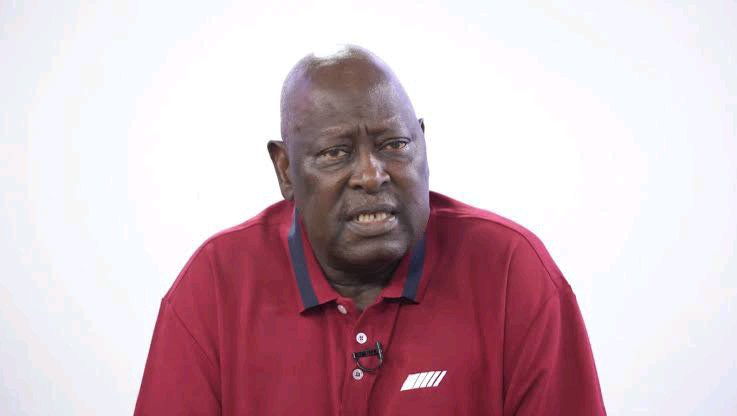
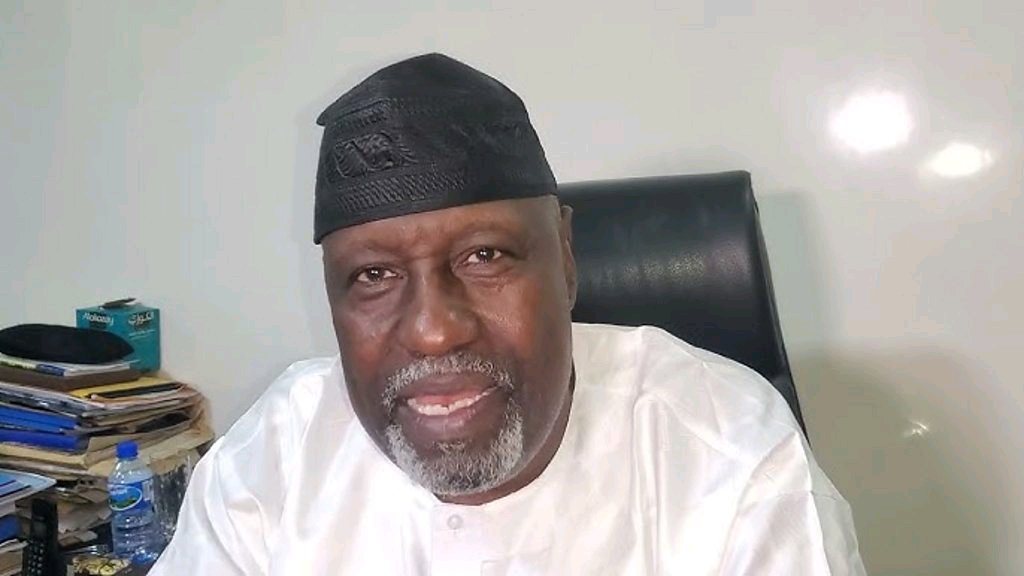
Former Secretary to the Government of the Federation, Babachir Lawal, has alleged that his political career has often been shaped more by ethnic and religious considerations than by an assessment of his competence or qualifications.
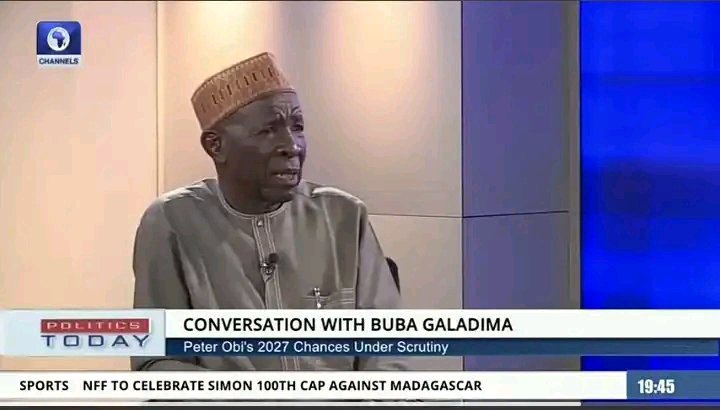
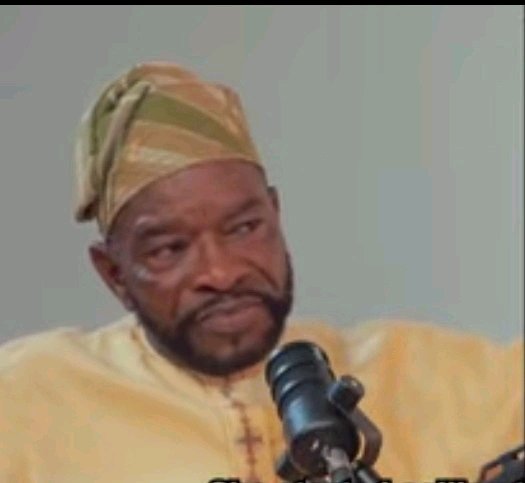
Speaking during an interview on TVC, Lawal said he has repeatedly faced discrimination rooted in his identity as a Kilba man from Adamawa State and as a Christian from a minority ethnic group in northern Nigeria. He claimed that these factors have, in several instances, influenced how people perceived his suitability for public office and the level of opposition he encountered.
According to him, many of the positions he has held were not contested purely on merit, but were instead influenced by bias and preconceived notions about his background. He explained that some individuals questioned his entitlement to leadership roles not because of his performance, but because of who he is and where he comes from.
He said, “I’m a Kilba man from Adamawa State. All my life, I have grown up facing discrimination and having to work harder than anyone else to prove my competence. There are times the positions I occupy are not ascribed to me because of my competence. People opposed me because I’m a Kilba man from northern Adamawa and a Christian from a small tribe, so I’m supposedly not entitled to the position I hold.”
Lawal further stated that such experiences of discrimination did not surprise him, explaining that they had been part of his lived reality from an early age. He noted that rather than being discouraged, he had come to accept these challenges as part of navigating Nigeria’s complex social and political environment.
He also described what he views as a social and political divide in northern Nigeria, which he believes influences access to opportunities. According to him, there are essentially two broad categories of people: those who are perceived as naturally entitled to positions of power and influence, and those who must consistently prove themselves before being considered.
Lawal argued that individuals in the second category, which he places himself in, are often required to work significantly harder to attain positions that others may access more easily due to their background, status, or perceived entitlement.
His comments have added to ongoing conversations about inclusion, fairness, and representation in Nigerian politics, particularly regarding how ethnicity and religion continue to influence perceptions of leadership and opportunity in public life…..See More







Leave a Reply