

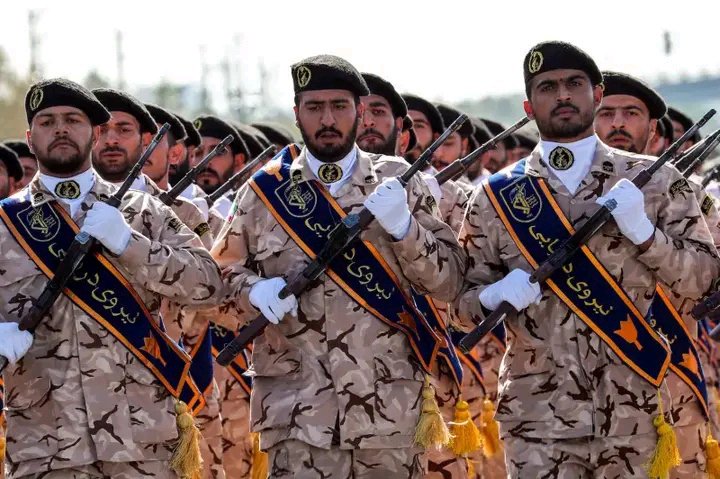
According to the Anadolu agency, even as quiet diplomatic progress emerges between Washington and Tehran, the rhetoric surrounding the Strait of Hormuz is growing sharper, a reminder of how fragile the region’s uneasy calm remains.
On Wednesday, a senior official in Iran’s Revolutionary Guard warned that Iran’s coastline could become a battlefield if the United States resumes military action. The remarks came at a moment when negotiators from both sides are reportedly closer to an initial understanding than at any time since the April ceasefire.
“Our fighters today carry in their chests the urge for hand-to-hand battle with the enemy,” said Mohammad Akbarzadeh, political deputy of the IRGC Navy, according to Iran’s Tasnim news agency.
Akbarzadeh insisted Iran’s forces were fully prepared while also arguing that the chances of renewed war were low because of what he described as the “weakness” of the opposing side. But his warning was unmistakably direct.
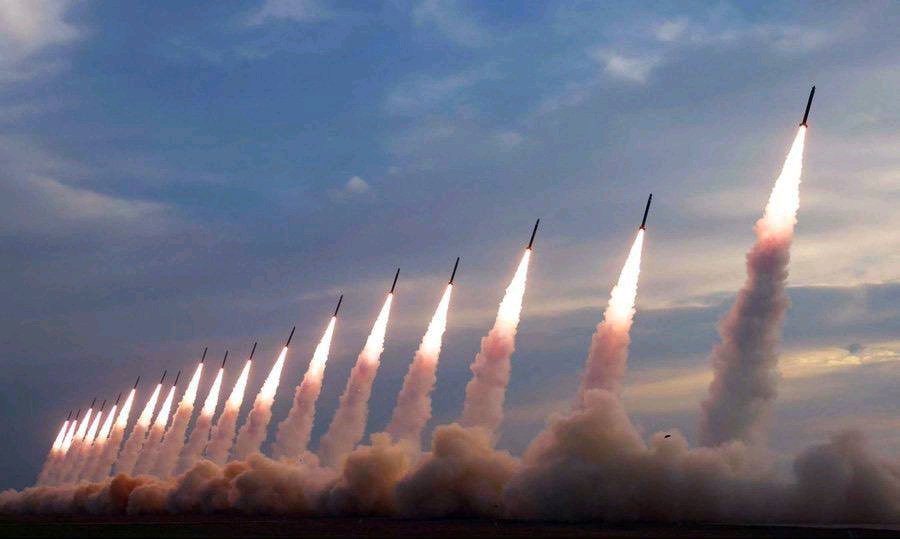
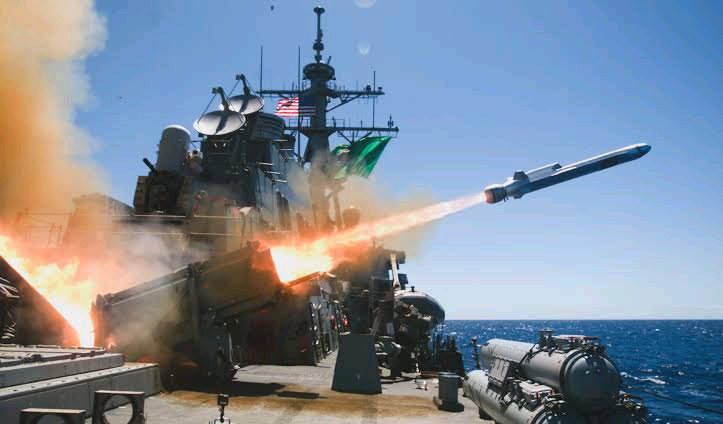
He said Iran would “turn the area from Chabahar to Mahshahr into a graveyard for aggressors” if the US resumed attacks.
The stretch he referenced spans nearly the entirety of Iran’s southern coastline, including the strategically vital Strait of Hormuz, one of the world’s most important energy chokepoints. A disruption there would immediately affect global oil markets, shipping routes, and already tense regional politics.
Akbarzadeh also claimed the United States failed to achieve its goals during the recent confrontation over the strait.
“They claimed that they could reopen the Strait of Hormuz, but after the closure of this waterway, even with all their power they could not accomplish anything,” he said.
At the same time, negotiations appear to be quietly advancing behind the scenes. Iranian officials say discussions with Washington are nearing a preliminary framework, though major disputes remain unresolved — particularly over Iran’s nuclear program and future control of maritime traffic through Hormuz.
According to Iranian state media, a draft understanding under discussion would allow commercial shipping through the strait to return to pre-war levels within 30 days. The proposal reportedly includes coordination with Oman on managing vessel traffic, though US military ships would remain outside the arrangement.
For now, the region sits in a tense in-between moment: diplomacy moving forward cautiously, while threats of confrontation remain very much alive in public view…..See More

















Leave a Reply