

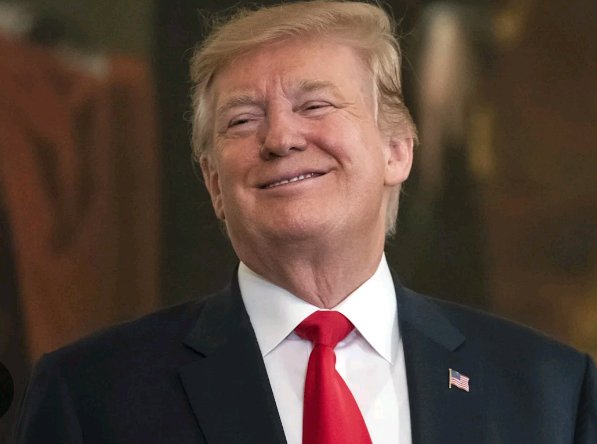
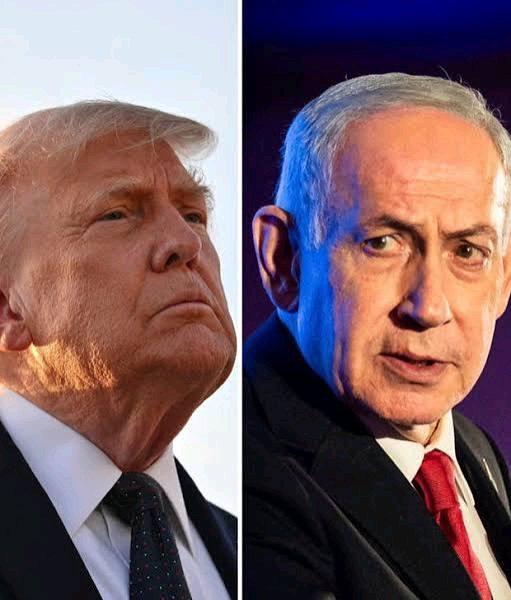
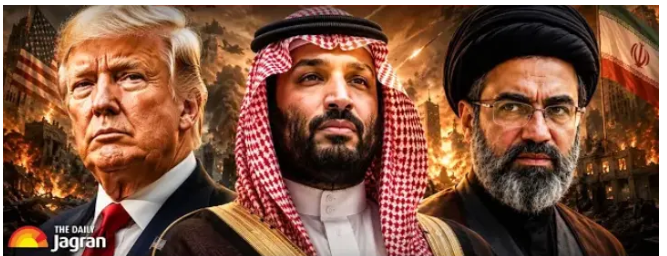
American President Donald Trump announced that a sweeping peace agreement has been largely negotiated between the American Government, the Government of the Islamic Republic of Iran under the leadership of the Supreme Leader of the Islamic Revolution, Ayatollah Seyyed Mojtaba Khamenei, and a coalition of more than a half-dozen Middle Eastern nations, including Saudi Arabia, the United Arab Emirates, and Turkey.
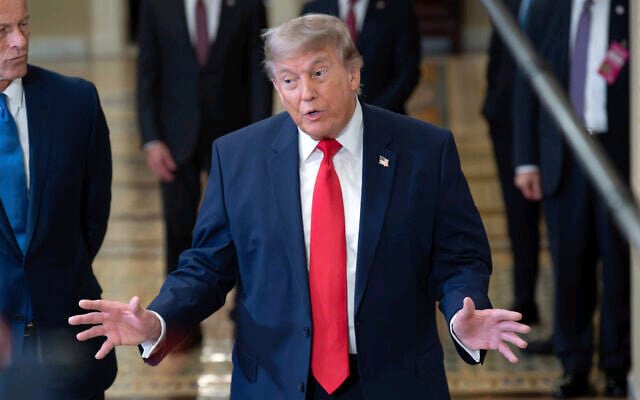
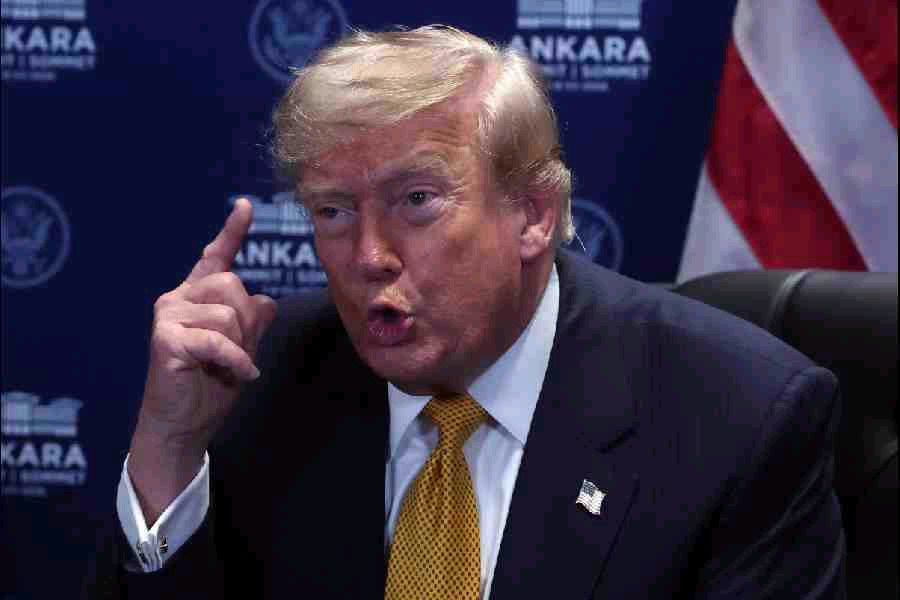
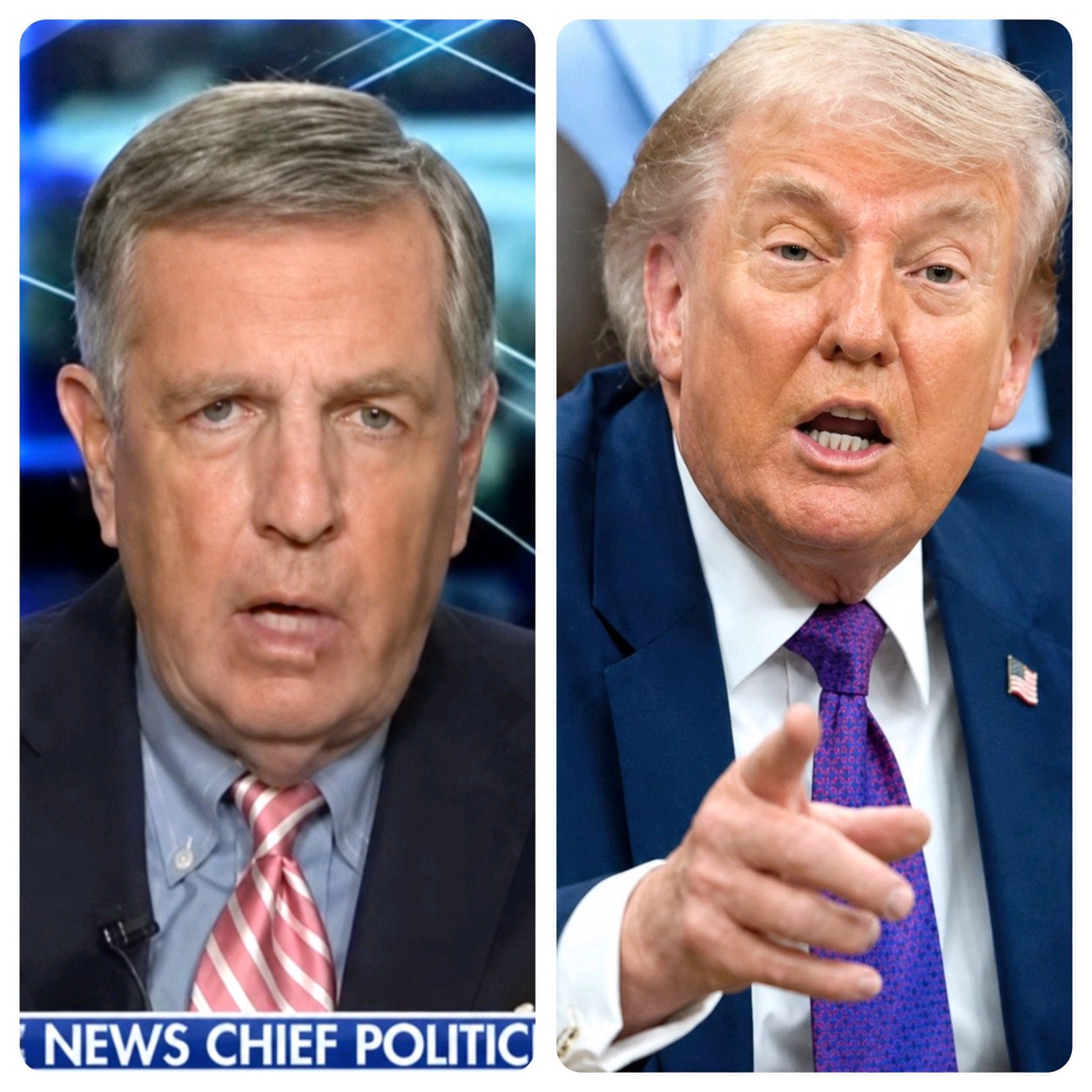
According to a report made by the Jerusalem Post on Sunday, 24 May, 2026, the President of the United States of America, Donald Trump while speaking from New York after an event at Rockland Community College, said the proposed accord would involve the reopening of the strategic Strait of Hormuz, a vital waterway for global oil shipments that has become a flashpoint in recent military tensions.
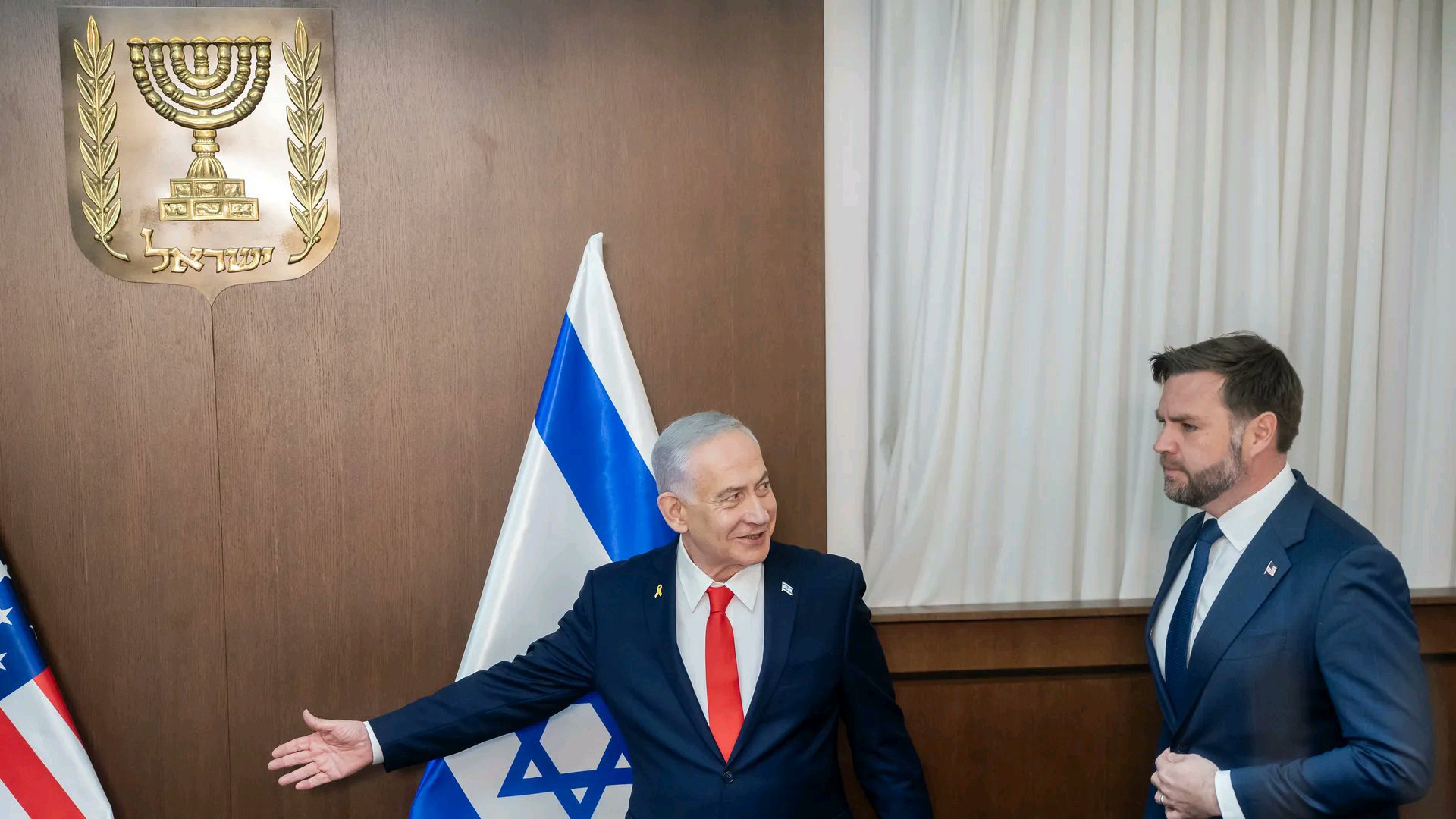
He also noted that he had conducted a separate call with Israeli Prime Minister Benjamin Netanyahu, which went very well.
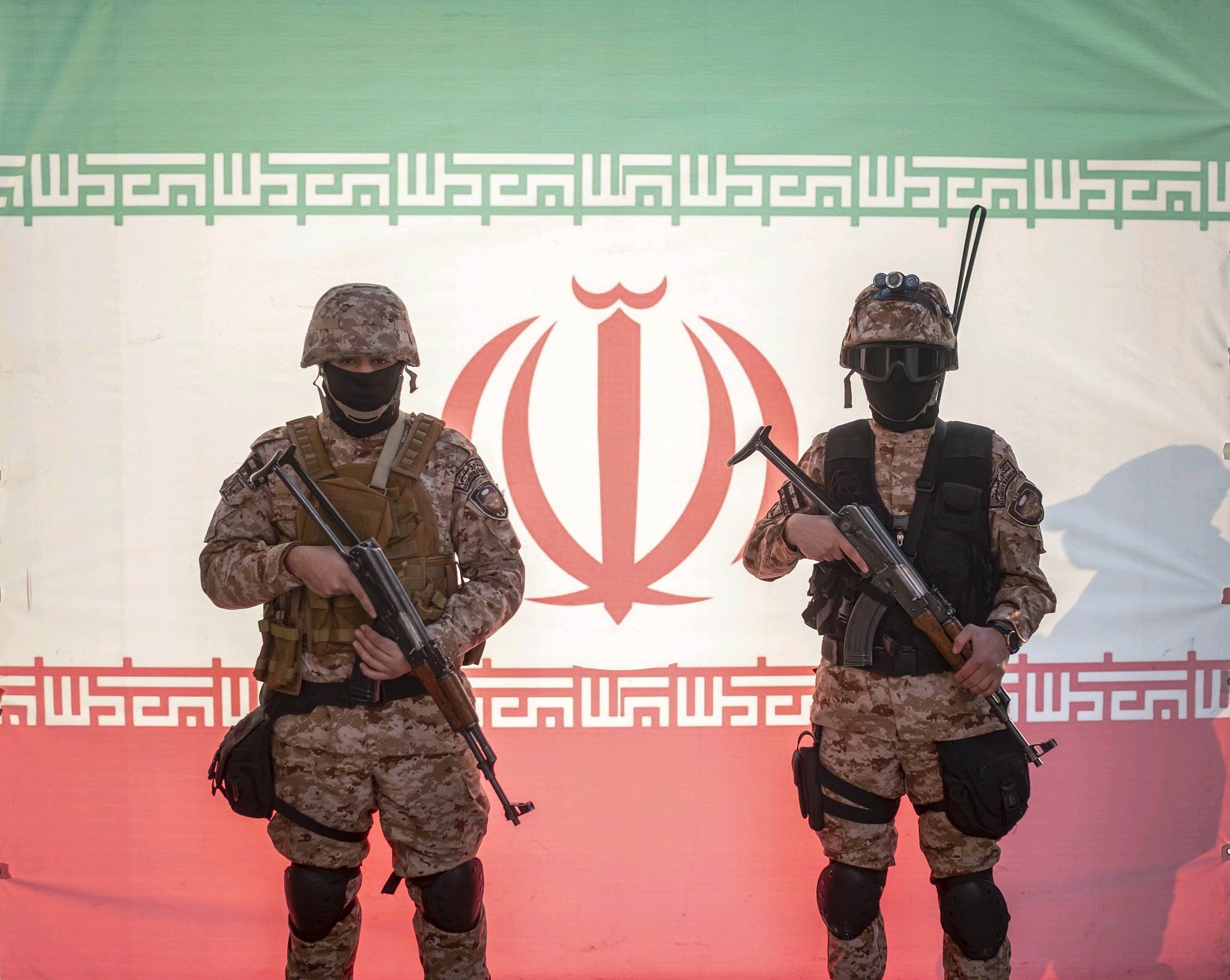
In another related development, early Sunday, Iran’s Fars news agency pushed back sharply against President Donald Trump’s characterization, reporting that the Strait of Hormuz would remain under Iranian control based on the latest exchanged texts between the two countries.
The agency dismissed Trump’s announcement as incomplete and inconsistent with reality, signaling that significant gaps remain between the two sides, further highlighting the fragile nature of the ongoing negotiations, which have unfolded through back-channel talks and regional intermediaries.
Meanwhile, Pakistani Prime Minister Shehbaz Sharif offered early praise, congratulating President Donald Trump on his extraordinary efforts to pursue peace, while two Pakistani sources involved in the talks told Reuters the emerging memorandum of understanding was fairly comprehensive to terminate the war.
As it stands, the list of countries cited by President Donald Trump as part of the agreement includes Saudi Arabia, the UAE, Qatar, Pakistan, Turkey, Egypt, Jordan, and Bahrain with many of those nations have shared strategic interests in containing Iranian military expansion, they also hold divergent positions on the nuclear ambitions of the Government of the Islamic Republic of Iran under the leadership of the Supreme Leader of the Islamic Revolution, Ayatollah Seyyed Mojtaba Khamenei, and regional proxies……See More



Leave a Reply