

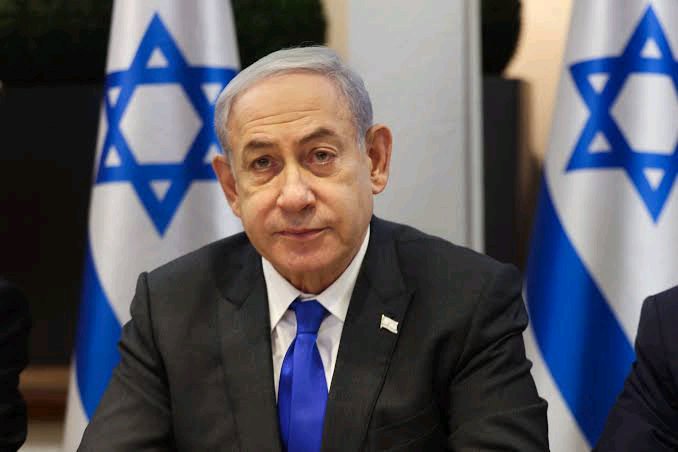
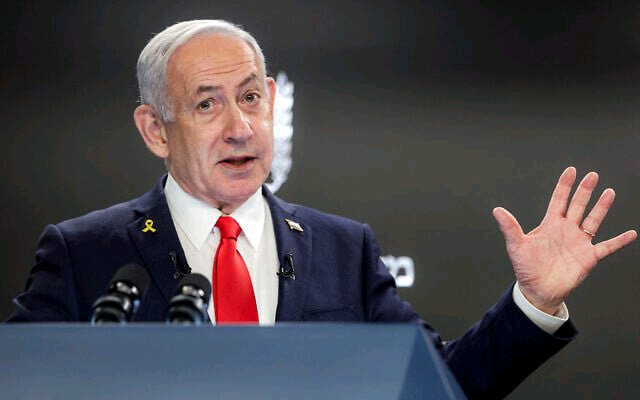
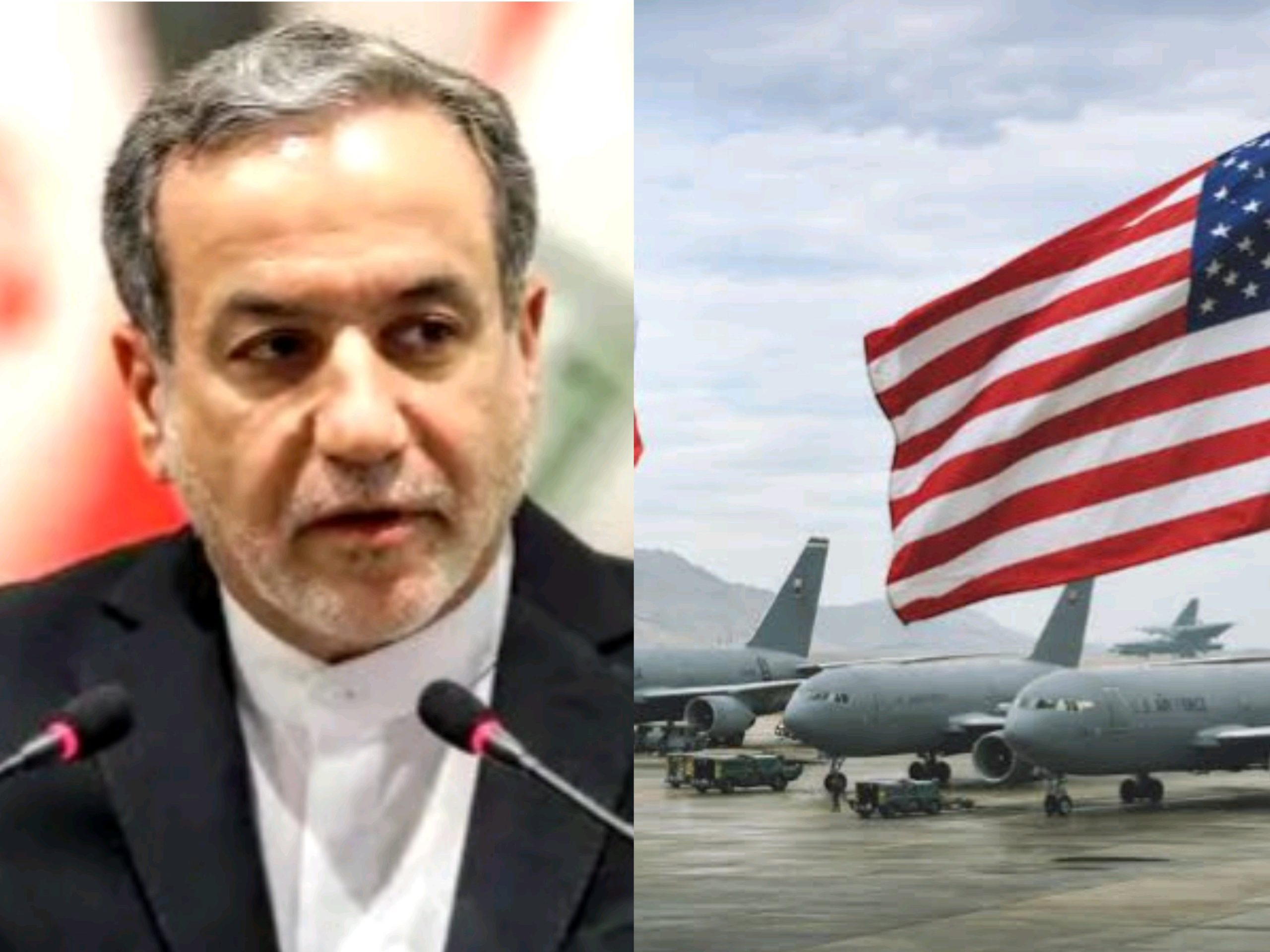
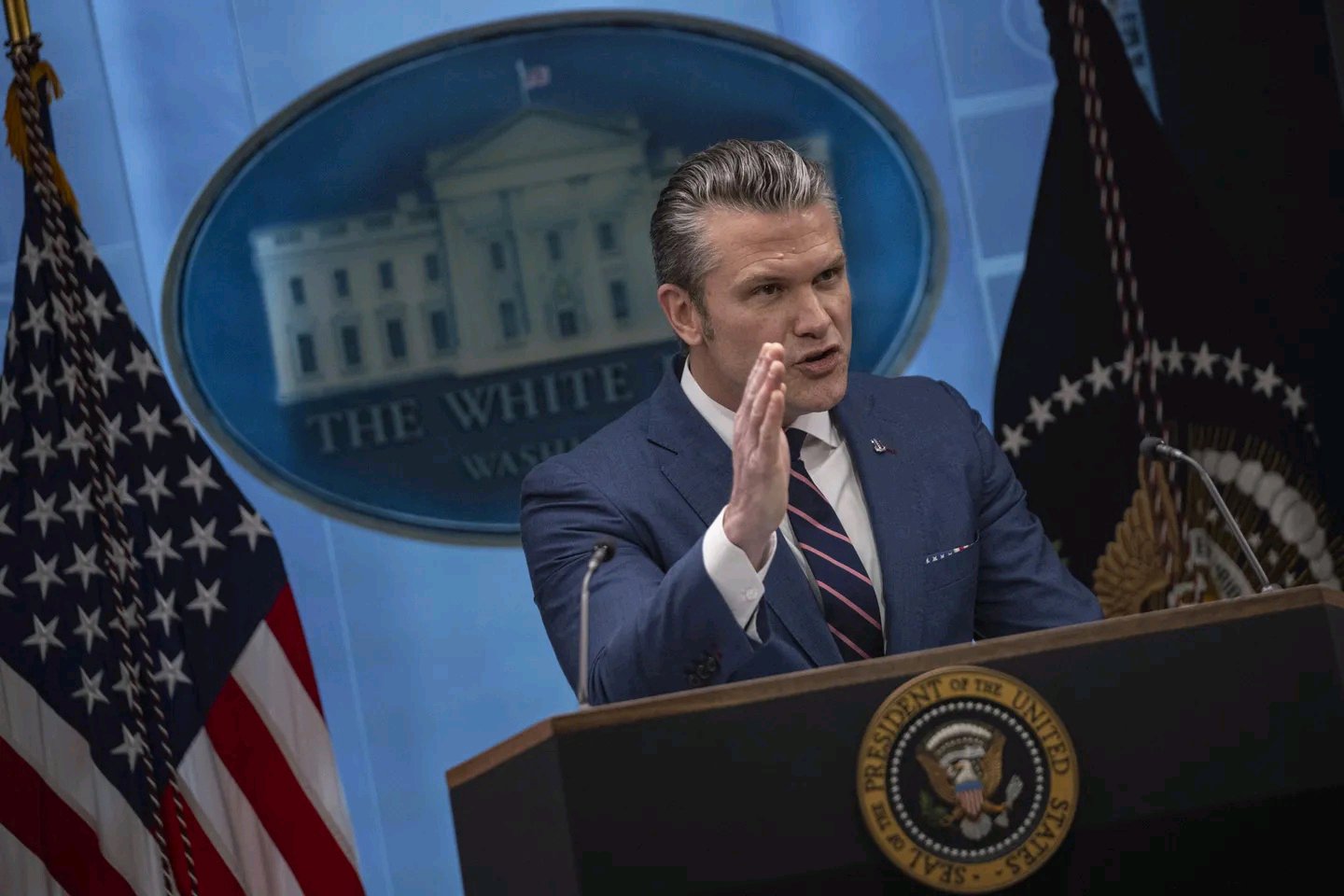
Israeli Prime Minister Benjamin Netanyahu has sought to calm growing speculation about strained ties between Israel and the United States, following reports that Israel has been largely excluded from the final stages of ongoing US–Iran negotiations.
According to Al Jazeera’s Nida Ibrahim, reporting from Ramallah in the occupied West Bank, Netanyahu is attempting to reduce concerns that the strategic relationship with Washington is weakening.
According to Al Jazeera, Netanyahu recently posted on X (formerly Twitter) reaffirming that the US–Israel partnership remains strong.
However, despite this public reassurance, there is reportedly significant unease within Israeli political and security circles over the direction of the proposed agreement with Iran.
Critics in Israel argue that the emerging draft does not sufficiently address core Israeli security demands, particularly the removal of highly enriched uranium from Iran and broader efforts to dismantle Tehran’s nuclear programme.
Ibrahim noted that Israeli officials who have seen details of the draft are dissatisfied, believing it falls short of guaranteeing Israel’s long-term security interests.
This has fuelled internal concern that Israel’s position is not being fully reflected in the negotiations between Washington and Tehran.
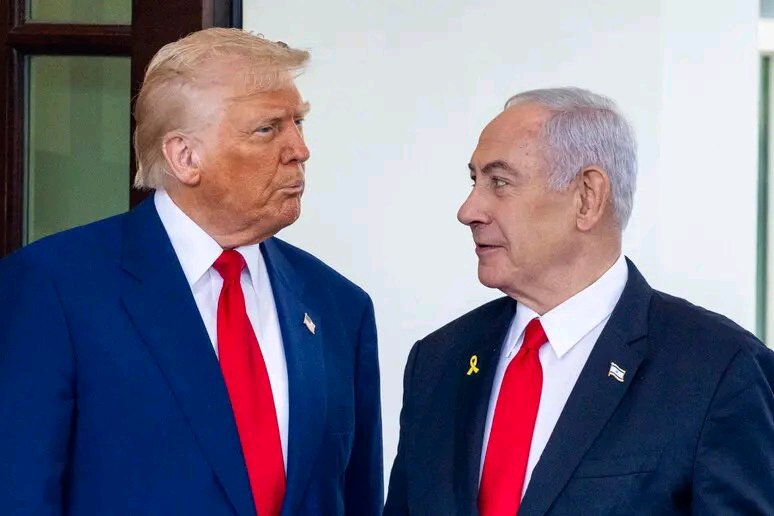
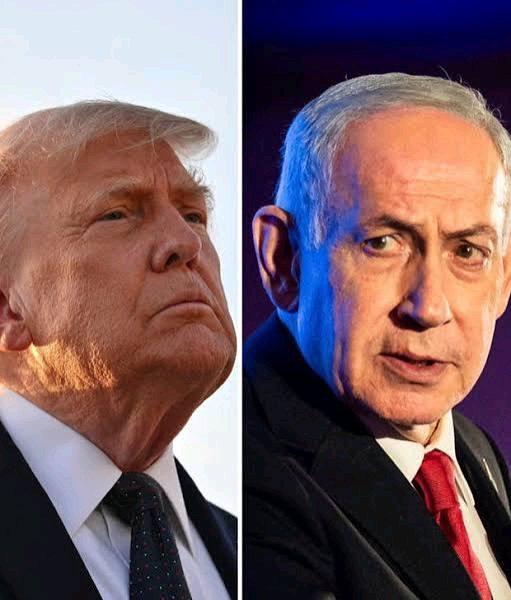
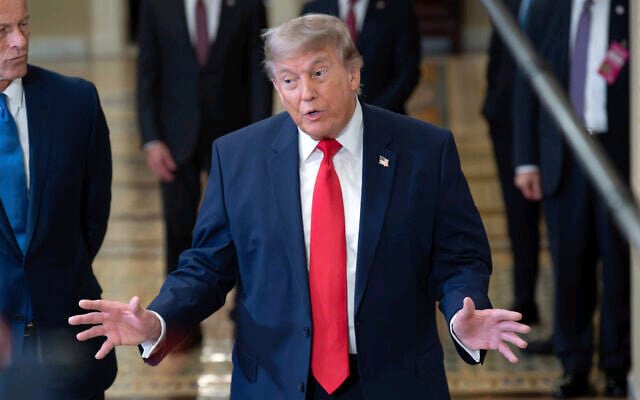
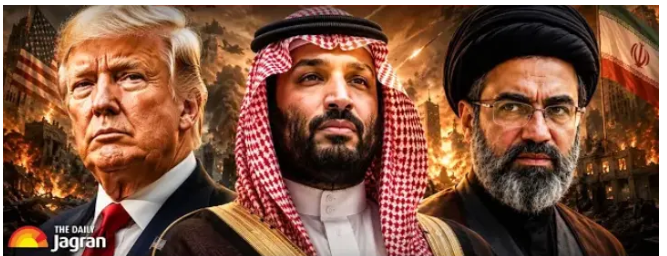
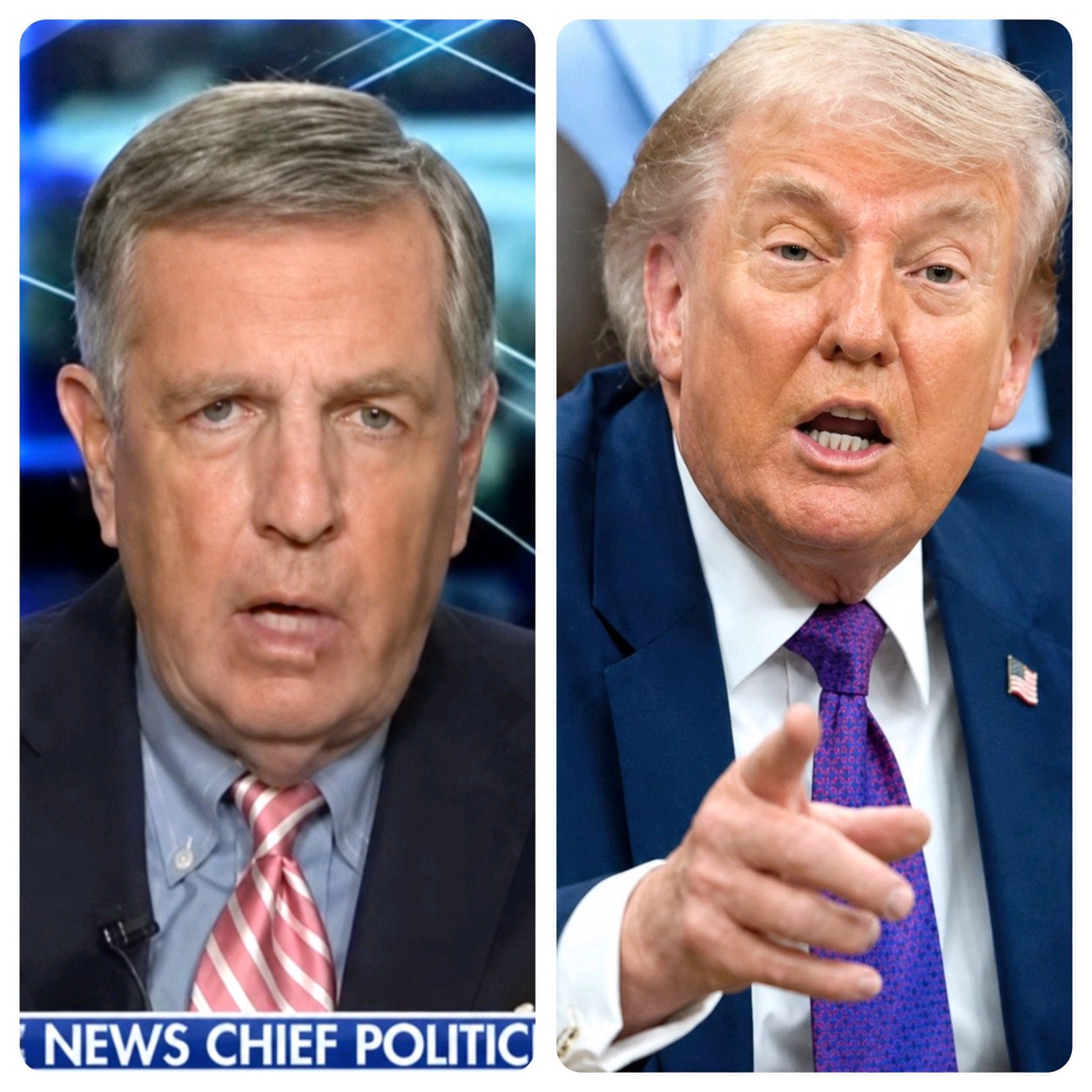
At the same time, Netanyahu is said to have instructed senior officials to avoid public criticism of the talks, reflecting the sensitive diplomatic moment and his need to carefully manage relations with US President Donald Trump, especially amid approaching domestic elections in Israel.
Separately, a report from Israel’s Channel 12 highlighted concerns within the Israeli military establishment.
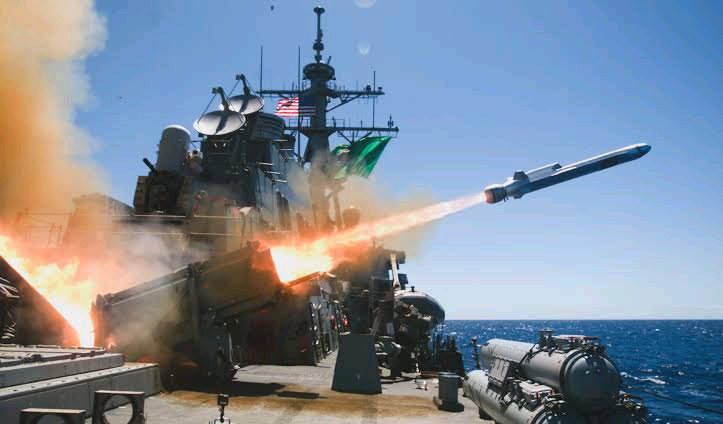
It suggested that a potential deal could affect ongoing military operations in the region, particularly in Lebanon.
While the Israeli military is not currently planning a withdrawal from Lebanese territory, officials reportedly fear that any agreement could significantly limit its operational freedom.
Channel 12 also raised concerns that uncertainty over the deal’s scope—particularly regarding ceasefire arrangements across multiple fronts—could increase risks for Israel.
According to Ibrahim, there is growing anxiety in Israel over continued drone attacks from regional actors, which have already caused casualties and heightened tensions…..See More









Leave a Reply