

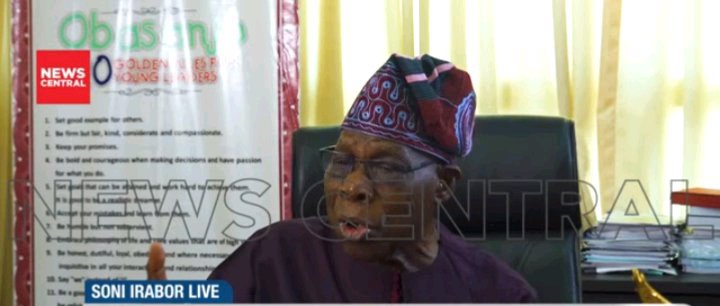
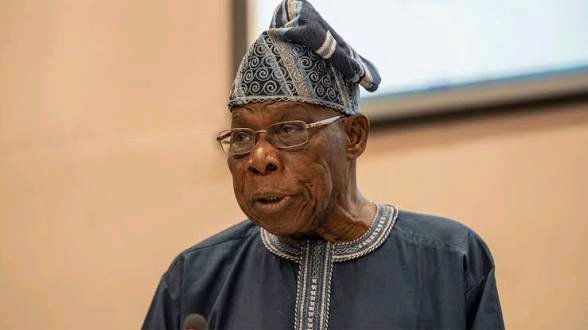
Former President of Nigeria, Olusegun Obasanjo, has highlighted the deep historical and cultural ties between Nigeria and the Republic of Niger, noting that both countries share strong ancestral connections that extend beyond modern diplomatic relations.
Speaking during an interview on News Central TV on Saturday, April 25, 2026, Obasanjo explained that the relationship between the two West African neighbours is rooted in centuries of migration, intermarriage, and the movement of communities across borders that existed long before colonial boundaries were established.
He noted that many families in northern Nigeria and southern Niger remain closely linked through shared heritage, making cross-border relationships common and enduring among communities on both sides of the frontier.
According to him, these long-standing connections have resulted in a significant portion of Niger’s population being directly related to Nigerians through blood ties and family ancestry.
He emphasized this point clearly, stating, “At least 30 percent of the people of Niger Republic have blood relationship with Nigeria.”
Obasanjo’s remarks underscore the deep social and cultural bonds that continue to exist between Nigeria and Niger, especially among border communities where identity and family ties overlap despite the presence of international boundaries.
His statement serves as a reminder that the two countries share not only political and economic relations but also long-standing human and cultural connections shaped by history.
The former president’s comments highlight how artificial colonial borders did not erase the deep ethnic and cultural unity that has existed for centuries across the Sahel region.
He further implied that strengthening cooperation between both nations should consider these historical realities, as they continue to shape everyday social interactions and migration patterns along the shared border.
This enduring relationship, he suggested, remains an important factor in regional stability and cultural understanding between neighbouring West African states…..See More




Leave a Reply