

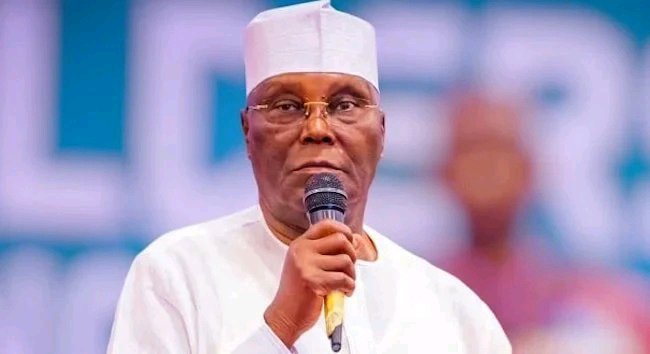
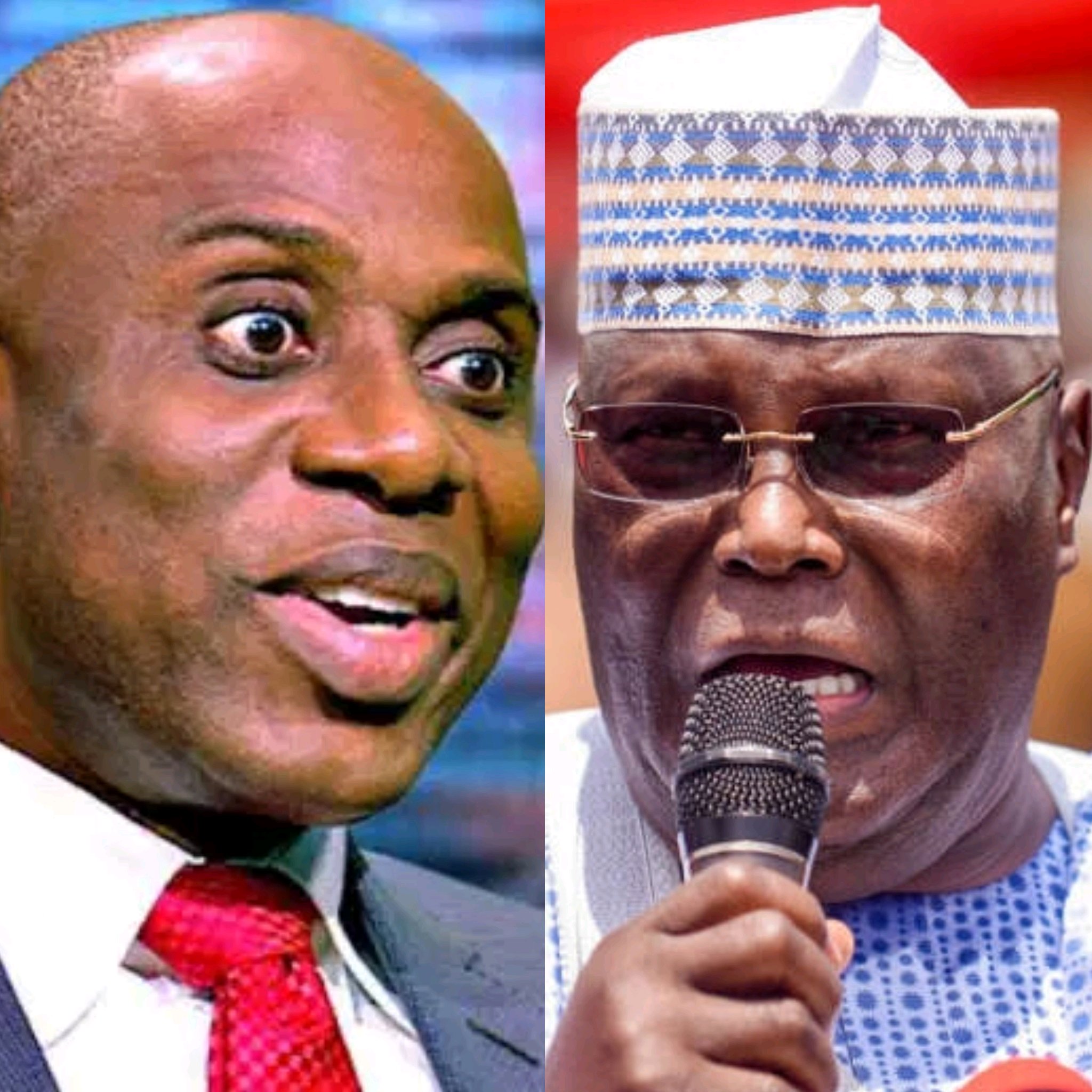
According to a report by Punch on Sunday, April 19, 2026, former Vice President, Atiku Abubakar, has criticised the economic policies of President Bola Ahmed Tinubu, stating that recent comments and assessments from the International Monetary Fund (IMF) only reflect the hardship already being experienced by Nigerians.
His remarks focused on the state of the national economy, which he described as worsening under current policy directions.
The statement was issued through his Senior Special Assistant on Public Communication, Phrank Shaibu, and addressed ongoing concerns about inflation, cost of living, and economic management in the country.
Atiku responded to the IMF’s latest evaluation of Nigeria’s economy by arguing that the report did not introduce new information, but rather confirmed what citizens have been facing for an extended period.
According to him, the economic situation being experienced across the country is not accidental but the result of what he described as structured policy decisions.
He used the phrase organised hardship to describe the current condition, suggesting that economic reforms being implemented have not translated into relief for the population.
His comments reflect continued political debate over the effectiveness of recent economic measures.
In his statement, Atiku expressed concern that there is a growing gap between official economic data and the lived experiences of ordinary Nigerians.
He noted that while government representatives often highlight statistical improvements and macroeconomic indicators, many citizens are dealing with reduced purchasing power and rising costs of basic goods and services.
He explained that wages in many cases are no longer sufficient to meet daily needs, and that market prices have placed essential items beyond the reach of many households.
His remarks focused on the difference between economic reporting and real-life conditions.
He further highlighted the impact of inflation and currency depreciation on everyday life.
According to him, the cost of transportation, food items, and other essential commodities has continued to rise, placing additional pressure on families.
He also pointed to instability in the foreign exchange market as a factor affecting business operations and household budgets.
Atiku stated that despite global oil prices remaining relatively high, the benefits are not being reflected in the economic conditions of average Nigerians.
He suggested that the current situation has contributed to increasing levels of poverty across different parts of the country.
The former Vice President also raised concerns about Nigeria’s growing debt profile, warning that continued borrowing without visible improvements in public welfare could create long-term economic challenges.
He questioned the effectiveness of borrowing strategies that do not translate into improved infrastructure, job creation, or social support systems.
His statement emphasized the need for accountability in how borrowed funds are utilized, pointing out that citizens are yet to see tangible benefits that justify the rising debt levels.
Atiku also described the broader economic situation as more than a temporary slowdown, referring to it as a crisis affecting the dignity and stability of citizens.
He stated that the combination of high inflation, currency pressure, and unemployment has created a difficult environment for many Nigerians.
His remarks suggested that economic challenges are not isolated issues but interconnected problems affecting different sectors of society.
He maintained that these conditions require careful attention and effective policy responses to prevent further deterioration.
He said, “We are borrowing like there is no tomorrow, yet there is nothing to show today. No jobs, no relief, no visible improvement in the lives of the people—only mounting debt and mounting pain.”……See More










Leave a Reply