

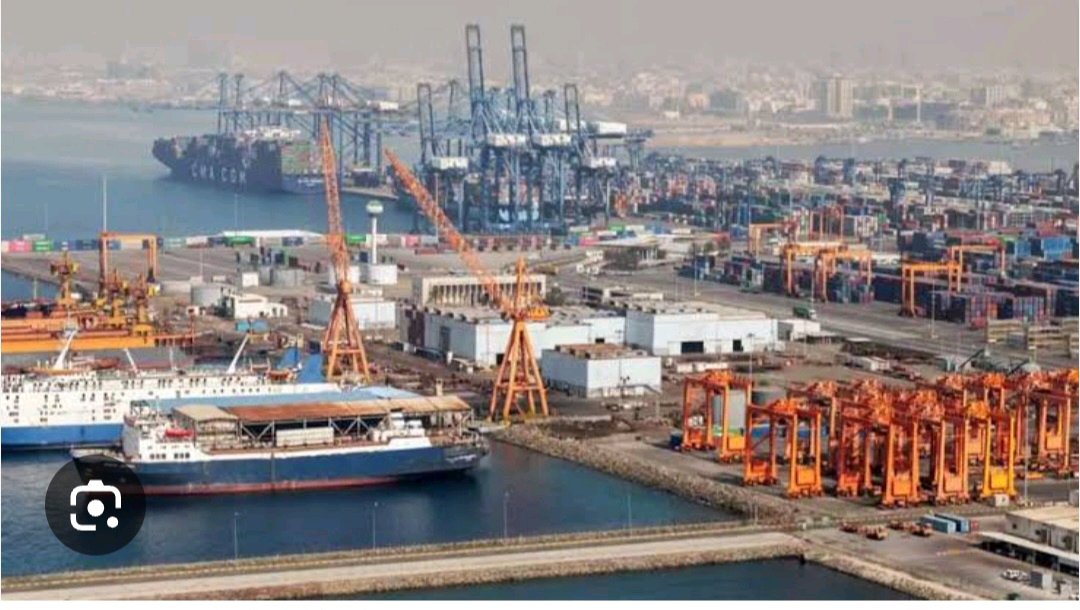
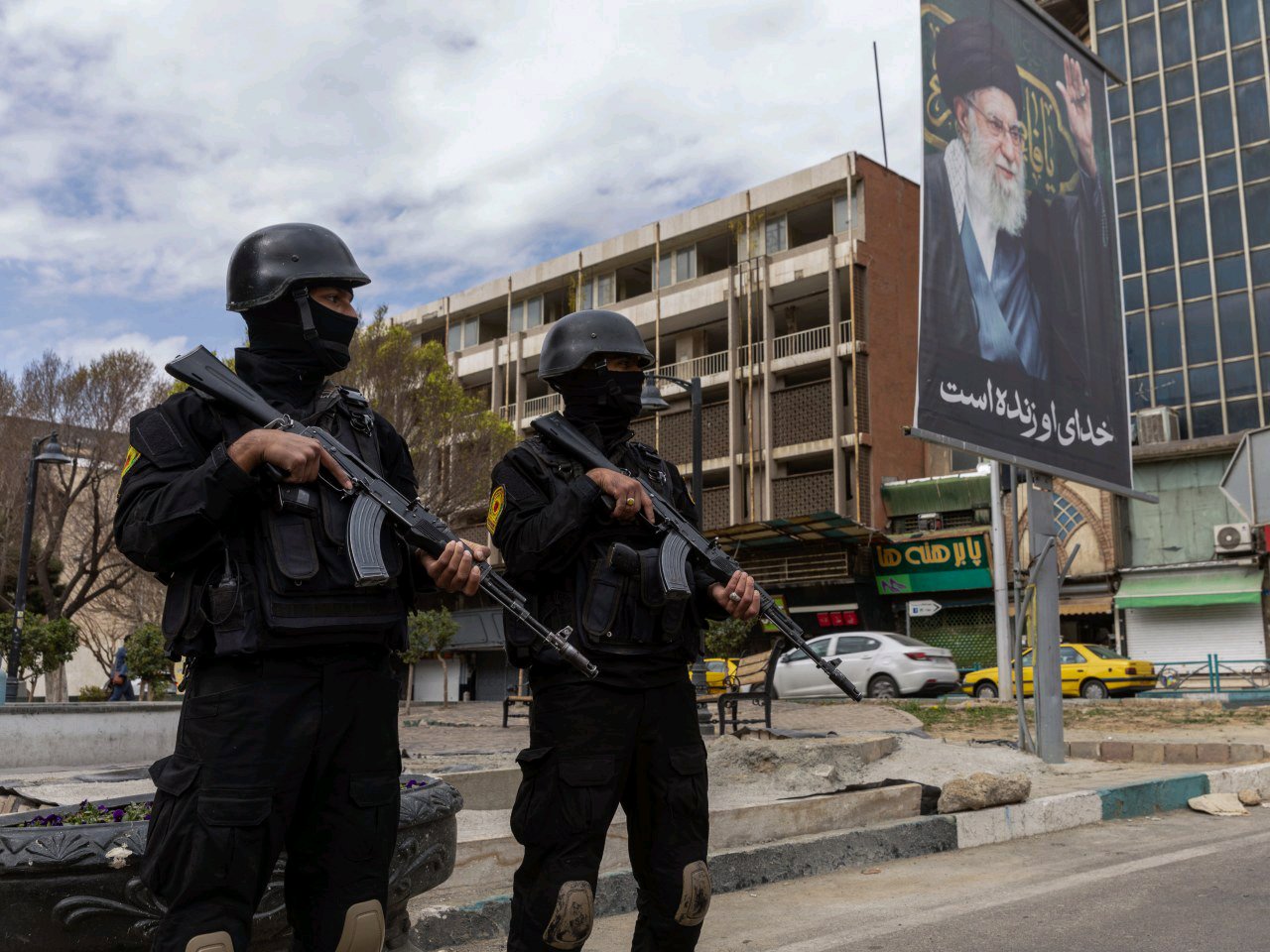
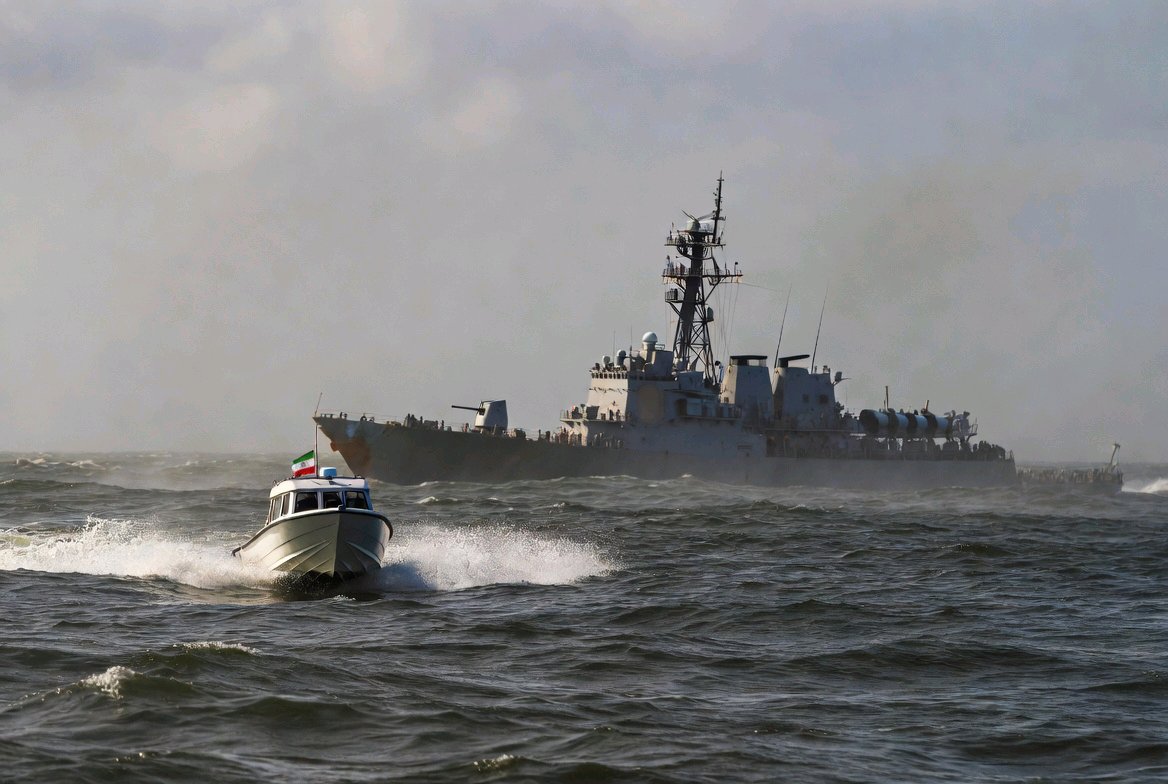
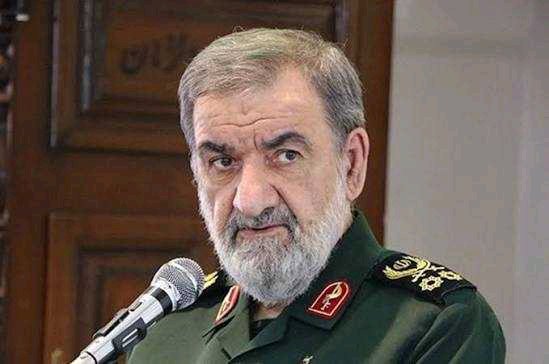
Iran has reportedly issued a warning that it could block key maritime trade routes in the Gulf and the Red Sea in response to a potential United States naval blockade, raising fresh concerns over global energy security and international shipping stability.
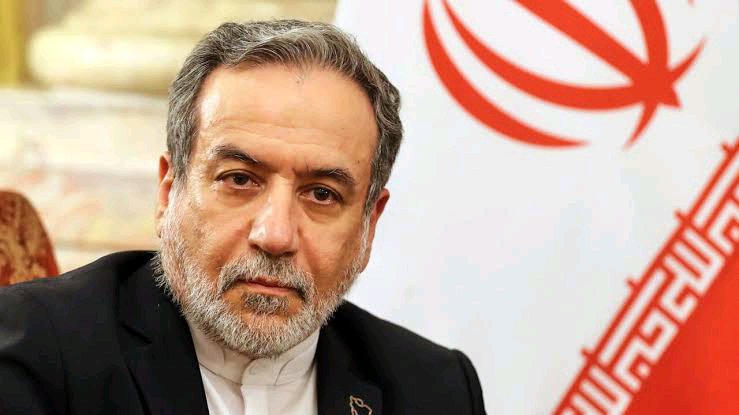
According to the statement attributed to Iranian officials, the move is being considered as a strategic response to what Tehran describes as increasing military pressure and hostile naval presence by the United States in waters surrounding the Middle East. The warning has sparked renewed fears of disruptions in one of the world’s most critical shipping corridors, which handles a significant portion of global oil and gas shipments.
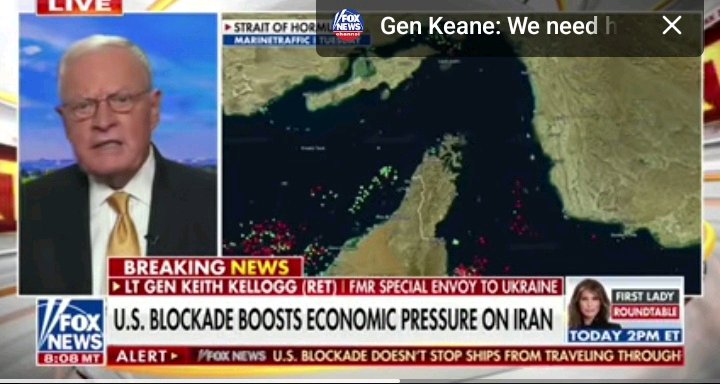
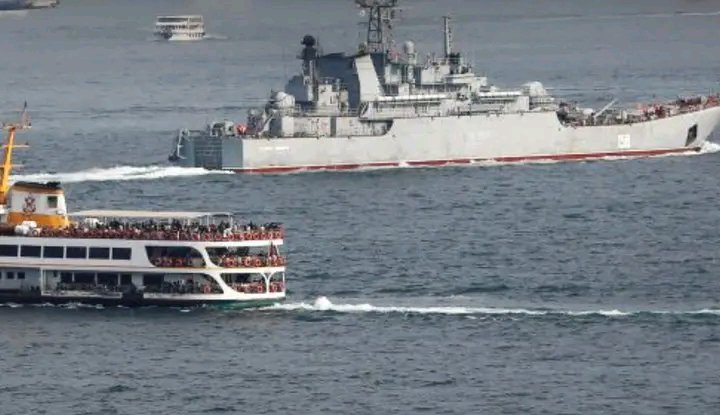
The Gulf region, particularly the Strait of Hormuz, is widely regarded as one of the most sensitive maritime chokepoints in the world. A substantial percentage of global crude oil exports passes through the narrow waterway, making any threat of closure a major concern for energy markets and importing nations. Similarly, the Red Sea route, which connects to the Suez Canal, is another vital passage for international trade between Asia, Europe, and Africa.
Iran has previously indicated that it possesses the capability to disrupt maritime traffic in response to external military actions, often framing such measures as part of its national defense strategy. However, analysts caution that any attempt to block or interfere with these routes could trigger significant geopolitical and economic consequences, potentially escalating tensions into a broader regional crisis.
International observers note that such statements typically emerge during periods of heightened diplomatic strain between Tehran and Washington. The United States has maintained a naval presence in the region for decades, partly aimed at ensuring freedom of navigation and securing global trade routes.
Shipping companies and energy markets are closely monitoring developments, as even the possibility of disruption tends to affect oil prices and insurance costs for vessels operating in the region. Analysts warn that prolonged uncertainty could lead to increased volatility in global markets.
Diplomatic efforts are expected to continue behind the scenes as stakeholders seek to prevent any escalation that could endanger maritime security or disrupt international commerce. For now, the situation remains tense, with the international community watching closely for further statements or actions from both sides…..See More










Leave a Reply