

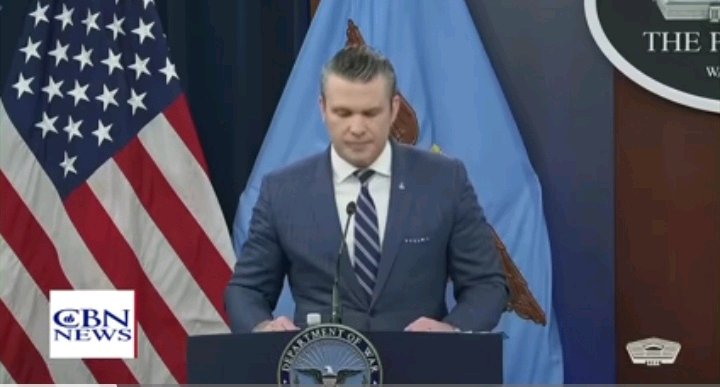
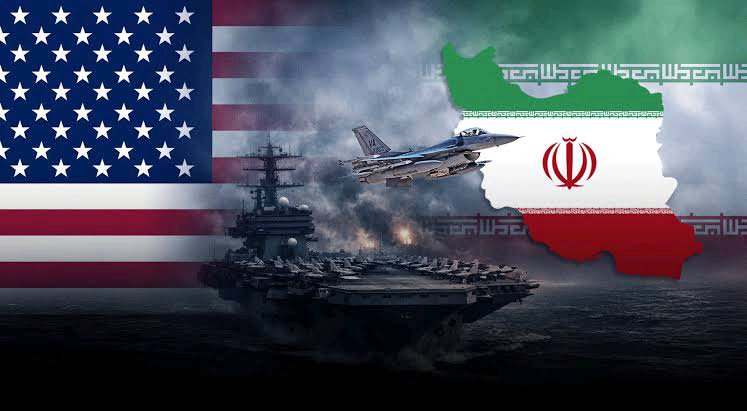
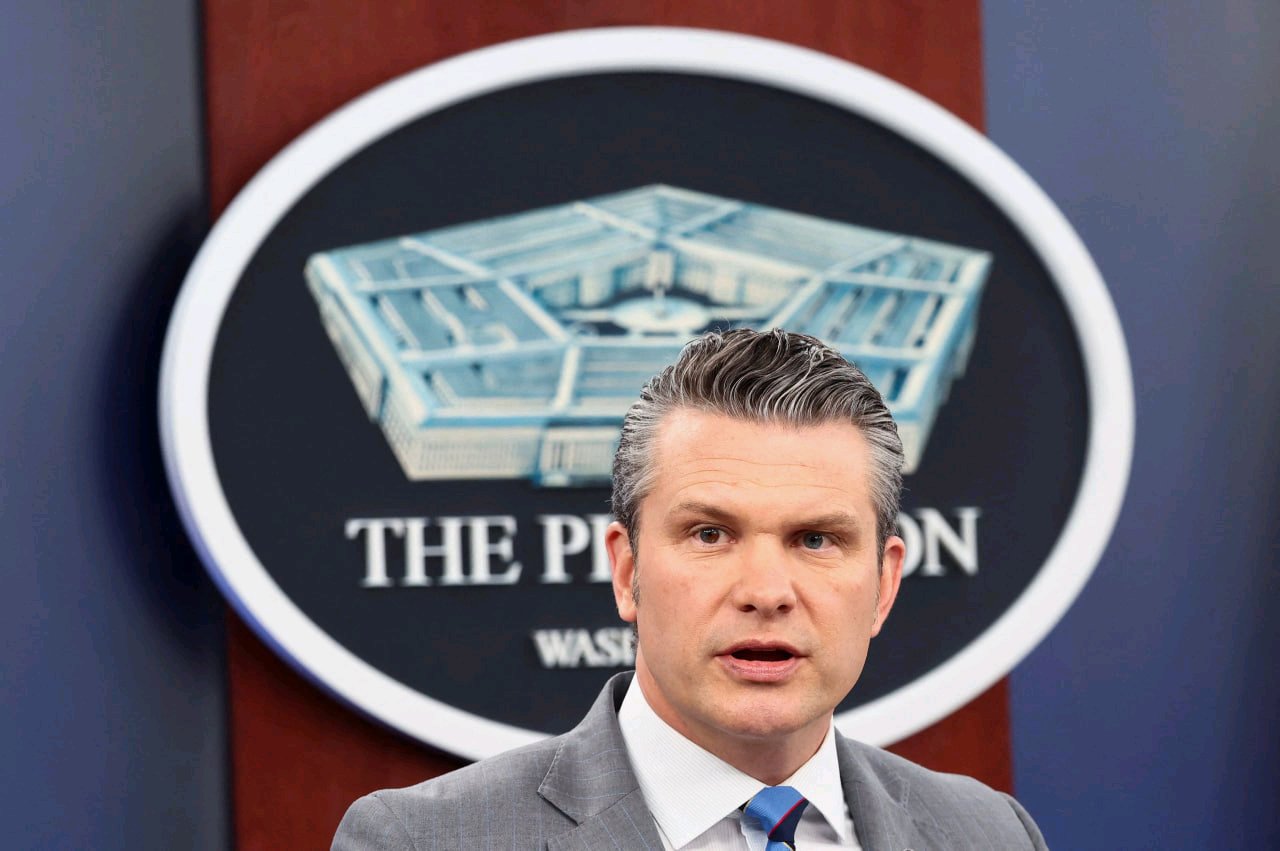
As the United States Navy enforced an expanding blockade of Iranian maritime commerce from the Gulf of Oman to the Indo-Pacific, U.S. Secretary of Defense Pete Hegseth used a White House press briefing to issue a direct challenge to American allies — declaring that decades of reliance on U.S. military protection without proportionate reciprocal contribution must come to a definitive end.
Hegseth framed the crisis around the Strait of Hormuz as a moment of reckoning for allied nations that have benefited from American security guarantees without absorbing a commensurate share of the associated burden or cost.
“Europe and Asia have benefited from our protection for decades,” Hegseth stated. “The time for free riding is completely over.”
The Secretary was unambiguous about where American interests diverge from those of its partners on this specific issue. The United States, he noted, has limited dependence on the Strait of Hormuz for its energy supply — a product of domestic energy development that has made America increasingly self-sufficient. “We barely use the Strait of Hormuz as a country,” he said. “Our energy doesn’t flow through there, and we have plenty of energy.” He pointed to what he described as a growing global interest in American energy exports as evidence of that independence.
By contrast, Hegseth argued, European and Asian economies remain acutely dependent on continued passage through the Strait. That dependency creates both a strategic imperative and a moral obligation for those nations to contribute meaningfully to its defense. “America and the free world deserve allies who are capable, who are loyal, and who understand that being an ally is not a one-way street,” he said. “It’s a two-way street.”
In a subsequent exchange, Hegseth dismissed a recent European diplomatic gathering as a “silly conference” at which officials discussed potentially doing something at some unspecified future date. He urged allied governments to move from discussion to deployment. “Get in a boat,” he said. “This is much more their fight than ours.”
While the Secretary made clear the United States is not counting on European participation, he affirmed it would welcome a serious and capable contribution. The operative standard, he emphasized, is seriousness — not statements, conferences, or expressions of solidarity, but deployable military capability committed to a shared objective……See More


Leave a Reply