

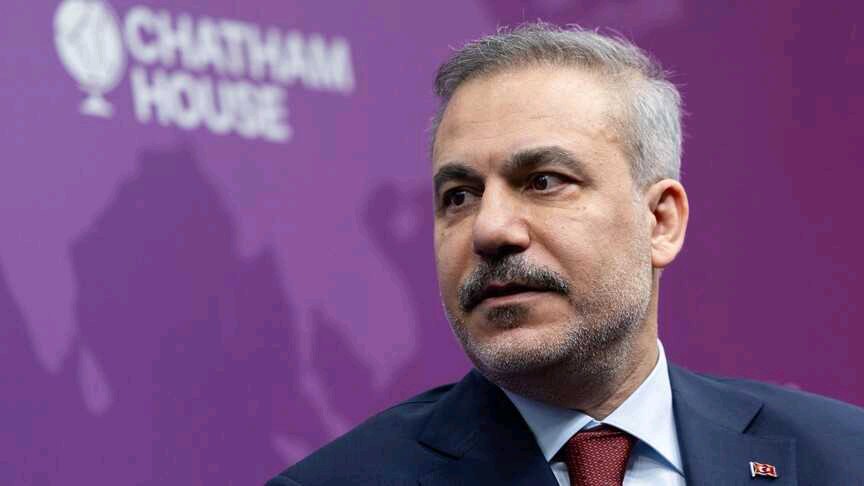
According to a report by Anadolu Agency on Friday, April 24, 2026, Turkey’s Foreign Minister Hakan Fidan has said that Israel has become a “direct threat to global security,” urging what he described as a unified international response to growing instability in the Middle East and beyond.
Speaking during a lecture at University of Oxford on global geopolitical changes, Fidan argued that the current international environment is undergoing a deeper transformation rather than a simple political transition. He said states can no longer depend on others for core security and diplomatic decisions.
“What we are witnessing today is not a transition, but rather a transformation,” he said, adding that countries must independently manage their “security, diplomacy, and strategic imagination” in an increasingly unpredictable world.
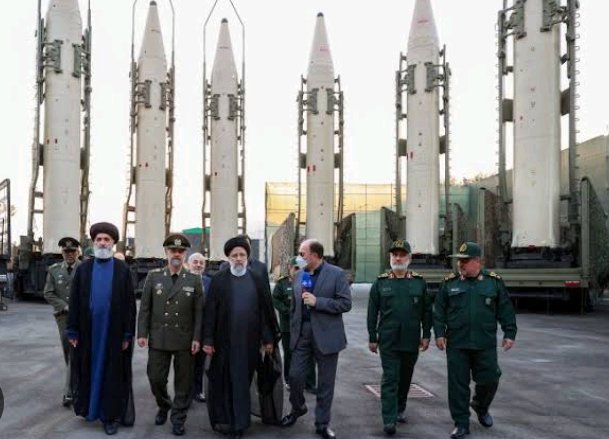
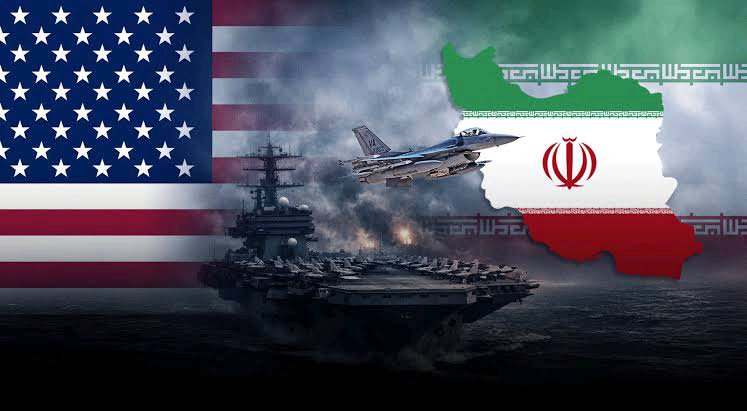
Fidan referred to the ongoing Iran-related conflict involving Israel and the United States, saying it has had significant consequences for global stability. He argued that the war has “dealt a heavy blow to global prosperity, security and stability,” warning that its effects extend well beyond the immediate region.
He further claimed that Israel’s actions have evolved into a broader destabilising factor. “Israel’s systemic threat to destabilize the region has exceeded local borders and now constitutes a direct threat to global security,” he said, calling for what he described as a “collective response from the international community.”
According to Fidan, the traditional separation between regional and global crises is becoming increasingly irrelevant, as conflicts in one part of the world now have immediate global implications. He warned that this interconnectedness has made international stability more fragile and harder to manage.
The Turkish foreign minister also highlighted the growing influence of so-called middle powers in global affairs. He described these states as countries with strategic geographic positions, diplomatic reach, and the political capacity to shape outcomes in regional and global disputes.
Fidan cited Turkey’s own role in international diplomacy, pointing to its membership in NATO and its status as a candidate for European Union membership. He also referenced Ankara’s involvement in mediation efforts, including agreements related to Black Sea grain exports and diplomatic engagement in the Horn of Africa.
He further called for reform of global institutions, arguing that existing frameworks are no longer sufficient to manage modern crises. In his view, the Middle East should move toward a system based on cooperation among regional states rather than external dominance or submission.
Fidan concluded by advocating what he described as “regional solutions to regional problems,” emphasizing that sustainable stability can only be achieved through direct engagement among countries within affected regions……See More




Leave a Reply