


According to a report by Al Jazeera on May 9, 2026, maritime welfare organisations have raised alarm over the deteriorating psychological and emotional state of thousands of seafarers trapped in the Gulf region, as ongoing military tensions linked to the US-Israel conflict with Iran continue to disrupt shipping routes and restrict safe passage through the Strait of Hormuz.
Charities working with maritime workers say that many crew members have been stranded at sea for more than two months, unable to disembark or return home due to escalating security risks and repeated disruptions to commercial shipping operations in the region.
The crisis has affected a wide range of maritime personnel, including ship captains, engineers, deck officers, and catering staff, all of whom have been caught in an increasingly volatile environment at sea. Reports indicate that some vessels have come under direct threat or attack linked to the wider regional conflict, leaving crews exposed to life-threatening situations while performing their duties.
The International Maritime Organization has confirmed that at least 11 seafarers have lost their lives since the escalation of tensions began, underscoring the growing dangers faced by commercial shipping workers operating in the affected waters.
Maritime aid organisations have warned that beyond the physical danger, the psychological toll on stranded crews is becoming increasingly severe, with many workers forced to continue operating under constant fear of further attacks.
Gavin Lim, who heads the Crisis Response Network at the UK-based Sailors’ Society, described distressing accounts from seafarers who were onboard vessels struck during incidents in the Gulf region.
According to him, some crew members have reported believing they were moments away from death as explosions and military activity unfolded around them at sea.
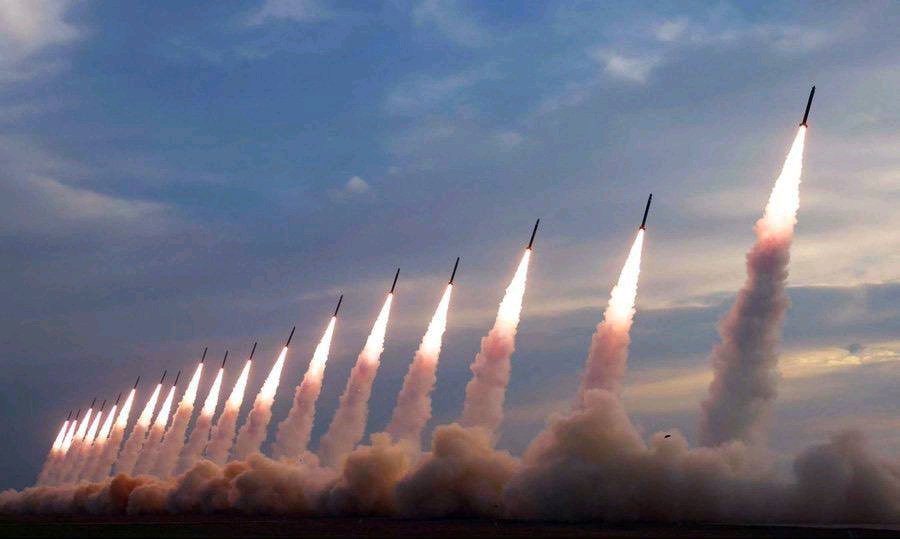
He explained that sailors have described witnessing drones and missiles in the air, followed by direct impacts on nearby or connected vessels, creating a highly traumatic environment for those on board.
Lim noted that the repeated exposure to such events has led to growing levels of anxiety and fear among maritime workers, many of whom are struggling to cope with prolonged uncertainty and danger.
He told AFP that the psychological impact of the conflict cannot be underestimated, pointing to the intense emotional strain experienced by crews who are unable to escape the region or return to safety.
Meanwhile, another humanitarian organisation, The Seafarers’ Charity, has warned that nearly 20,000 maritime workers have been stranded since late February, with many suffering from severe mental health challenges as a result of the ongoing situation.
The organisation reported that affected seafarers are increasingly experiencing symptoms such as hypervigilance, exhaustion, burnout, loneliness, depression, and anxiety, all linked to prolonged isolation and the constant threat of violence at sea.
Experts say the continued instability around the Strait of Hormuz, one of the world’s most critical shipping corridors, has created unprecedented risks for global maritime operations, with commercial traffic significantly reduced or rerouted in recent months.
The Strait, which connects the Persian Gulf to the Arabian Sea, is a vital passage for global oil shipments and international trade, making any disruption in the area a major concern for global economic stability……See More


















Leave a Reply