

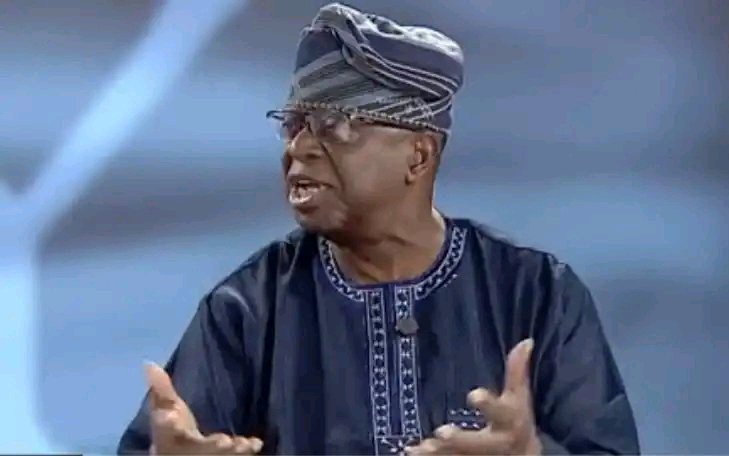
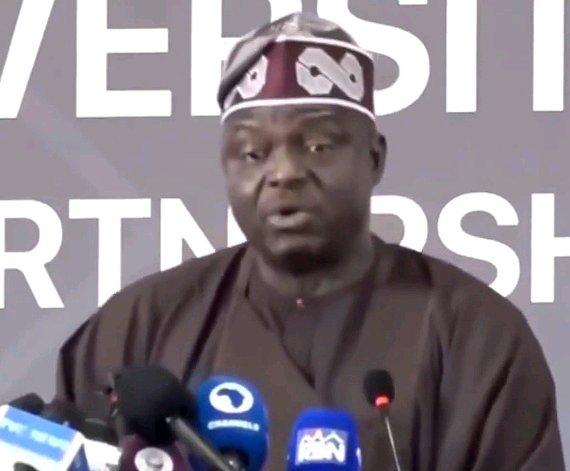
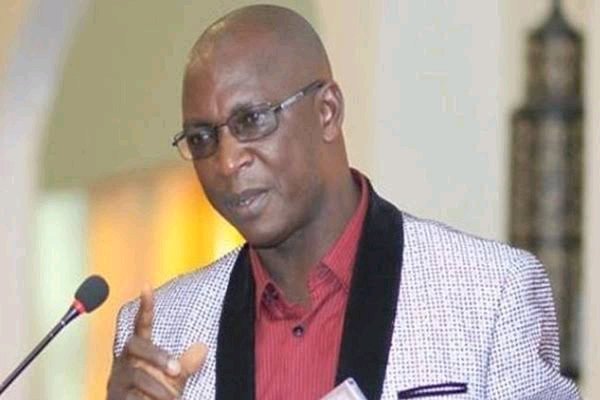
Research Professor of International Relations and Strategic Studies at the Nigerian Institute of International Affairs, Professor Femi Otubanjo, has recounted an incident involving a former member of a State House of Assembly to illustrate what he described as the entrenched influence of political godfathers within Nigeria’s political system.
Otubanjo shared the experience during an interview on Arise News while discussing the structure of political parties in Nigeria and the challenges facing internal democracy within the country’s democratic process.
According to the professor, the incident occurred during the political period leading to the Second Republic and involved one of his academic colleagues who decided to venture into active politics by contesting for a legislative position.
Otubanjo explained that his colleague successfully contested and won a seat in the House of Assembly but soon found himself at odds with powerful political figures in his constituency because of the way he conducted himself in office.
“I remember before the second Republic. A colleague of mine went and contested as member House of Assembly and then he was behaving like an academic talking grammar like me in the House of Assembly,” Otubanjo said during the interview.
The professor stated that the lawmaker’s intellectual style and independent opinions reportedly irritated influential political figures who expected complete loyalty and unquestioning obedience from elected representatives.
According to Otubanjo, the situation escalated after political godfathers in the constituency allegedly summoned the lawmaker and demanded that he publicly submit himself to the authority of the state governor.
“The godfathers invited him to his constituency and told him to prostrate to the governor that why will he go to the assembly and be talking. The man refused,” he added.
Otubanjo explained that the refusal of the lawmaker to comply with the directive allegedly triggered hostility from the political establishment, as party leaders viewed his independence as an act of disloyalty.
“He believed he was elected to represent the people and express his opinions freely, but the political leaders wanted absolute control,” the professor stated.
The professor used the incident to support his argument that Nigeria’s political parties have historically struggled to operate as true democratic institutions. According to him, many parties remain dominated by a few influential individuals who determine decisions and suppress contrary views.
Otubanjo argued that the culture of political godfatherism has persisted for decades and continues to affect governance, party administration, and legislative independence across the country.
He maintained that elected officials in Nigeria are often pressured to align themselves with the wishes of political leaders rather than prioritising the interests of the electorate……See More










Leave a Reply