

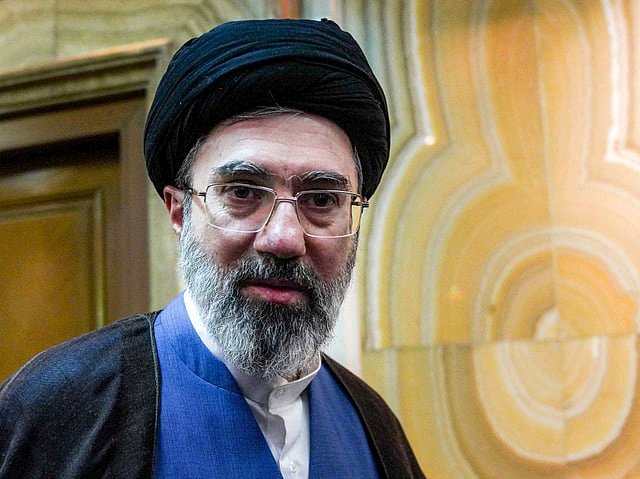
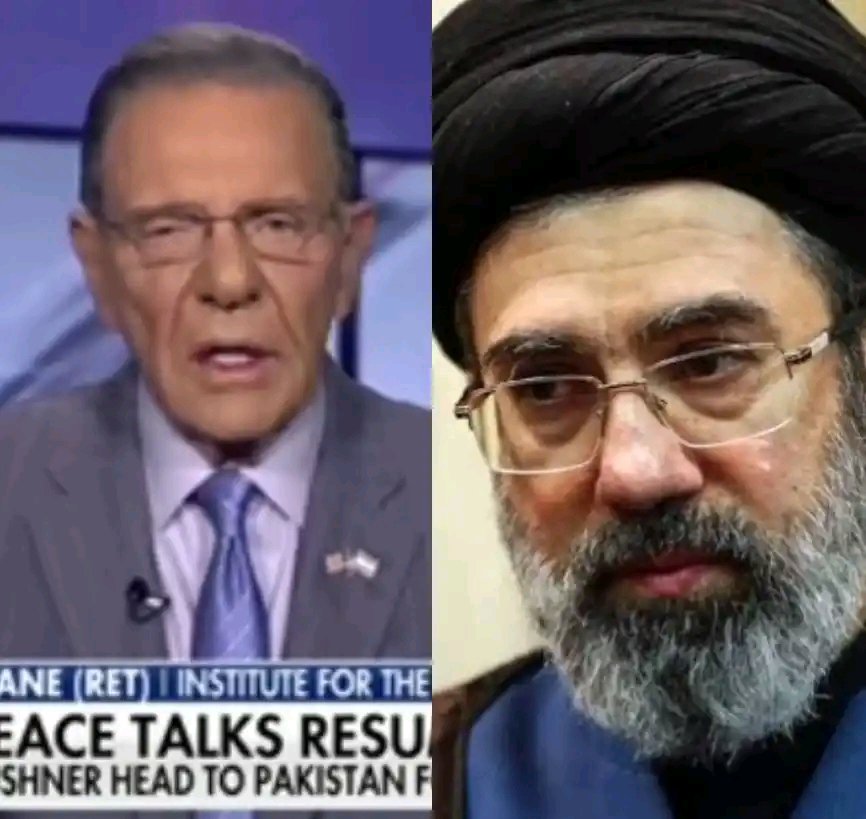
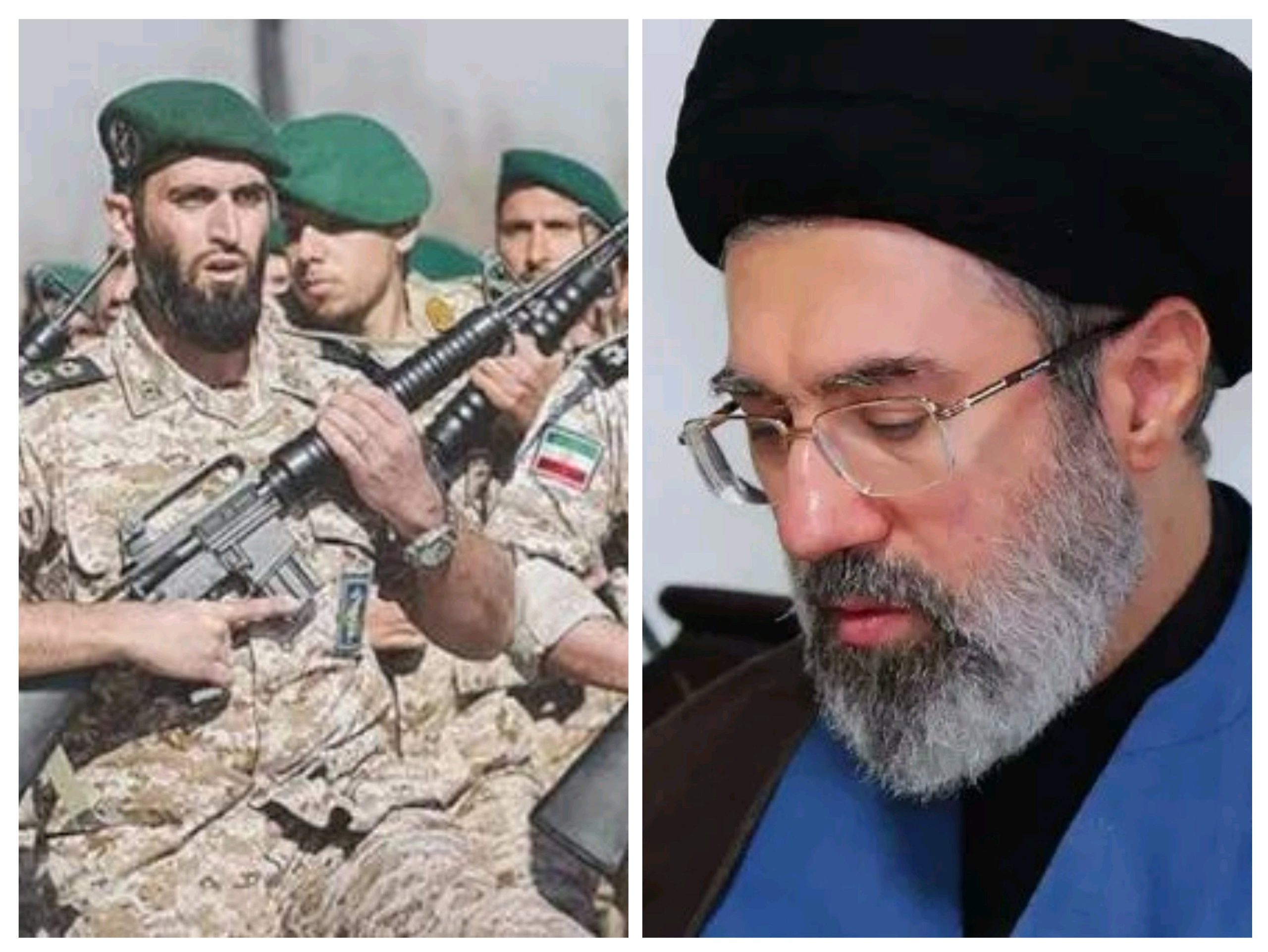
According to the Anadolu Agency, Iran’s new Supreme Leader, Ayatollah Mojtaba Khamenei, is reportedly running the country from an undisclosed location while maintaining an unusually low profile as regional tensions continue to simmer, according to a New York Times report.
Since stepping into leadership after the death of his father, Ayatollah Ali Khamenei, in a joint US–Israel strike on February 28, Mojtaba has not been seen in public. The report says there have been no video or audio appearances from him, with his instructions instead being delivered indirectly through state media or shared via online channels. One Iranian official described his approach as deliberate, saying he is acting “consciously, as he does not want to appear vulnerable or sound weak in his first public address.”
Behind the scenes, security around the leadership is said to be tighter than ever. Senior military commanders and top officials reportedly avoid visiting him directly, fearing that even routine movements could be tracked and potentially exploited by Israeli intelligence.
Communication with the Supreme Leader is believed to rely on a highly cautious system. Messages are reportedly “handwritten, sealed in envelopes, and passed on via a human chain” of trusted couriers who travel across highways and rural routes to reach his hidden location before returning with responses.
The New York Times report also claims Mojtaba sustained serious injuries during the strike that killed his father. While Iranian authorities have not confirmed these details, the report alleges he remains “mentally sharp and engaged” despite ongoing medical challenges.
According to the same account, President Masoud Pezeshkian, a trained heart surgeon, and senior health officials are involved in his care. The report suggests he is now largely surrounded by medical staff at an undisclosed facility.
Iranian officials have pushed back strongly against the narrative. A statement posted on Mojtaba Khamenei’s official X account dismissed the report as part of what it called “the enemy’s media operations,” accusing foreign outlets of trying to weaken national unity and stability.
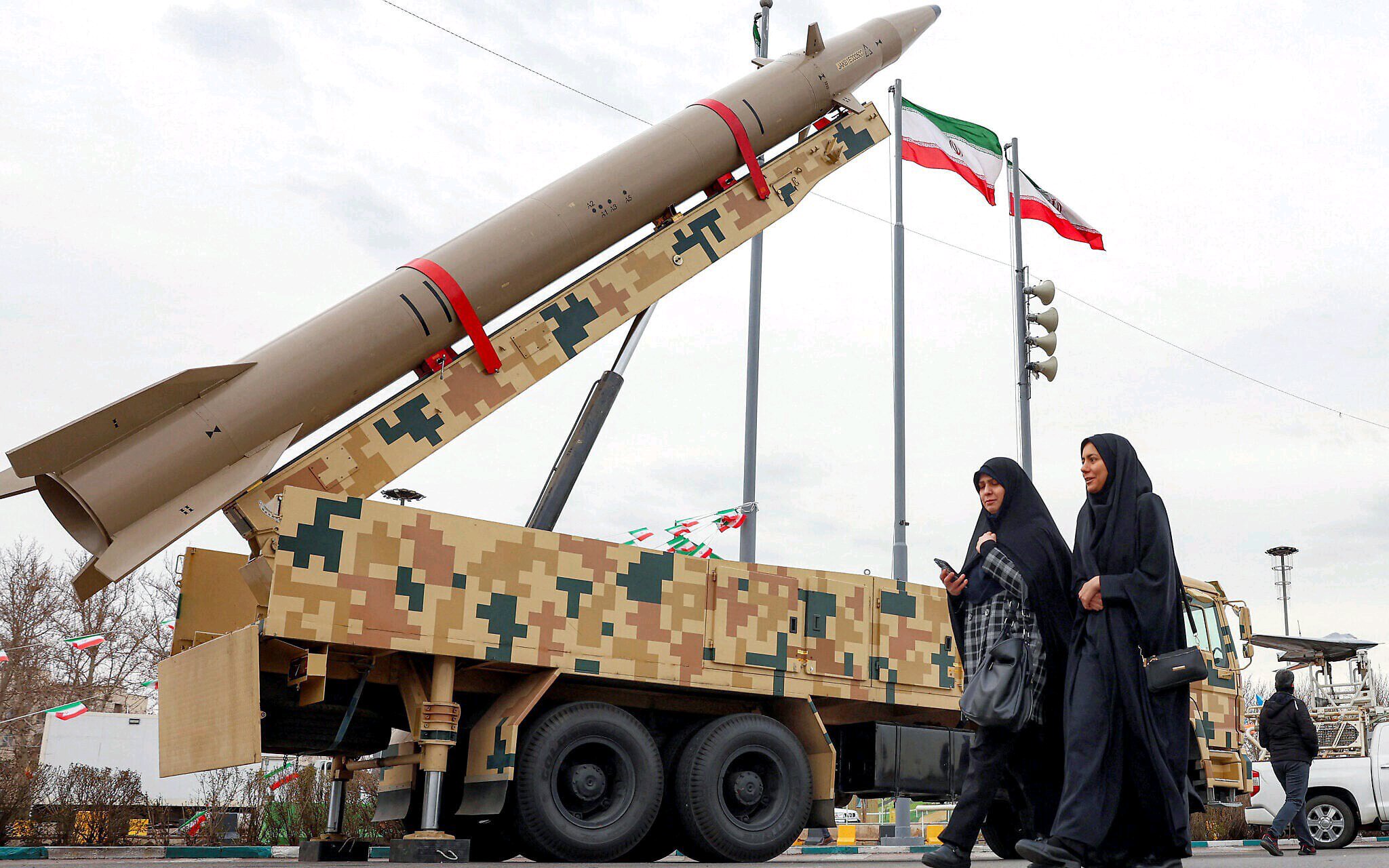
The developments come at a fragile moment for Iran, as an uneasy ceasefire with the United States holds following months of heightened confrontation. Despite the pause in direct conflict, major disputes remain unresolved, particularly around the strategic Strait of Hormuz, keeping the wider region on edge……See More



Leave a Reply