


According to the Anadolu agency, Defense Secretary Pete Hegseth told lawmakers that the United States possesses the military capability to reach even Iran’s most heavily fortified nuclear facilities, signaling confidence as tensions with Tehran continue to dominate Washington’s national security agenda.
Appearing before the Senate Appropriations Committee on Tuesday, Hegseth was asked whether the U.S. could destroy Pickaxe Mountain, an underground complex believed to house key parts of Iran’s nuclear program. Military analysts have suggested the site, built deep inside a mountain, may be beyond the reach of even the most powerful conventional weapons used against Iran’s Fordow and Natanz nuclear facilities last year.
Without discussing classified capabilities, Hegseth offered a broad assessment of U.S. military power.
“A lot of our capabilities are classified,” Hegseth said. “But if anybody in the world can reach anything on God’s green earth, it’s the United States military, the most powerful military in the world. It’s all about options and trade-offs.”
The hearing focused largely on the administration’s request for nearly $90 billion in supplemental funding tied to the conflict with Iran. Hegseth said the estimated cost of the war has climbed to $37.5 billion, up from a $29 billion projection issued in May. The figure includes expenses such as troop pay through the end of the fiscal year, though he noted it does not capture every cost associated with the campaign.
Pressed on whether China and Russia were helping Iran militarily, Hegseth suggested there was cooperation but declined to elaborate publicly.
“There’s definitely adversary alignment — attempts to do so — and there are many ways that we deter that,” he said. “Some of which are — and the depth and extent of it ought to remain — classified, and it should. But there are ways in which both of those countries are, at different levels, enabling some of the things Iran is doing.”
Gen. Dan Caine, chairman of the Joint Chiefs of Staff, cautioned senators against assuming the conflict’s final cost could be predicted, emphasizing that Iran’s next moves remain a key variable.
“I can’t answer the question on what it will cost because the enemy has a vote. What I’ll commit to you as this plays out, we’ll make sure that the Congress is informed,” Caine said. “But because I’m not quite sure how this is going to play out yet, it would be unwise for me to comment on what a future cost may or may not be depending on what they choose.”
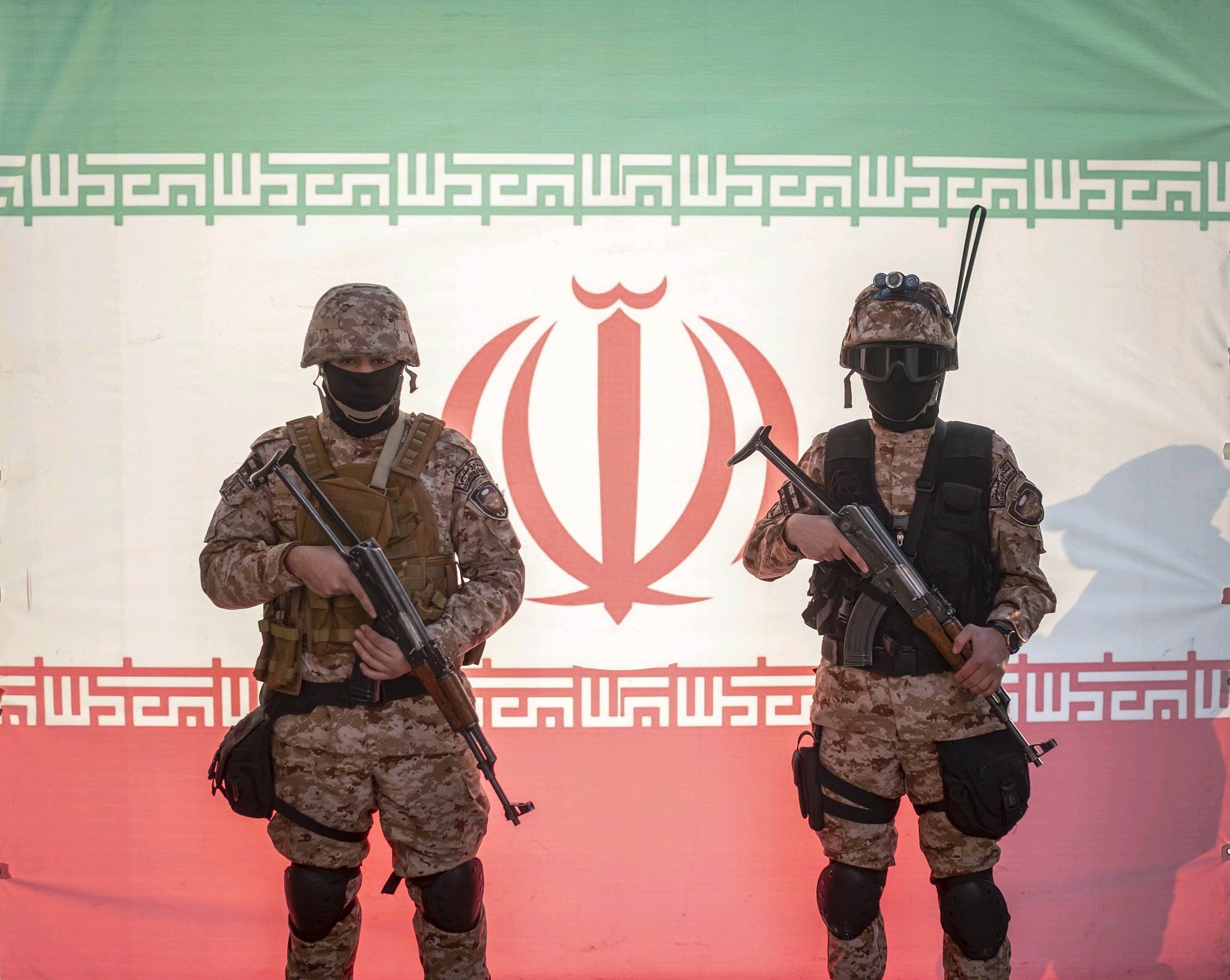
Despite ongoing Iranian attacks on commercial shipping and U.S. military installations in the region, Hegseth argued that Tehran’s military strength has been substantially weakened.
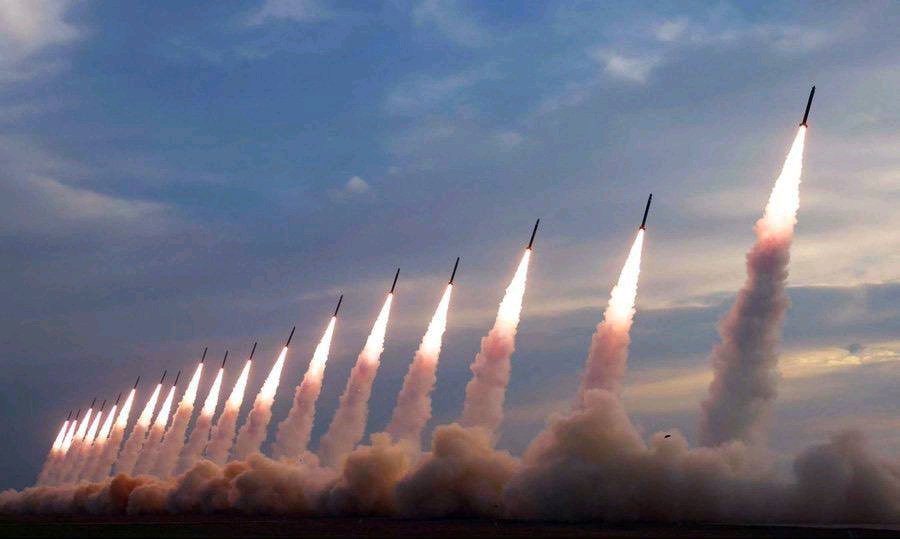
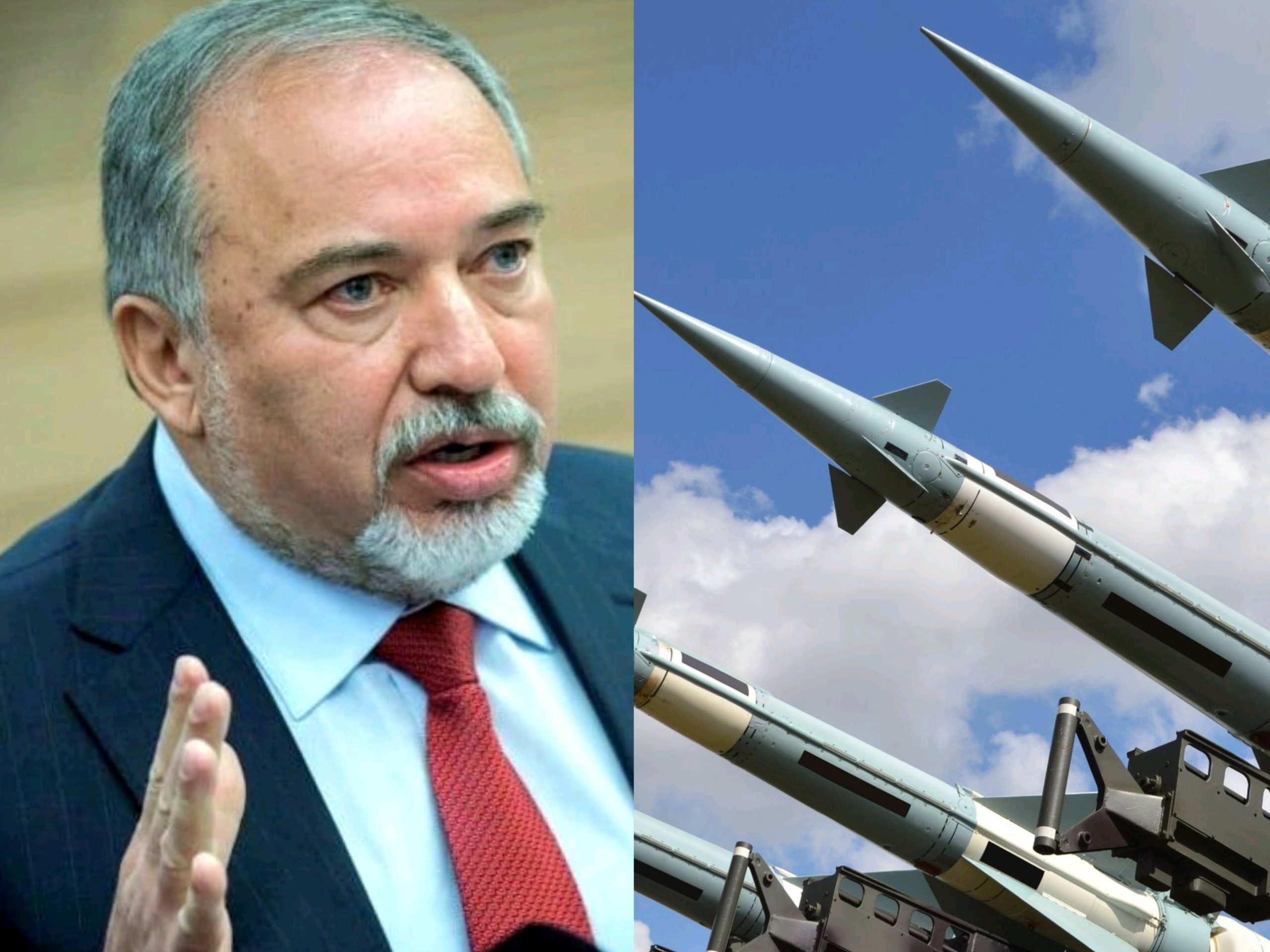
“Iran is at the weakest point militarily it has ever been in in the past decade, certainly, maybe in 47 years,” Hegseth said. He added that Iran had built thousands of ballistic missiles to protect its nuclear program, “many of which we have destroyed, others of which they have hidden in underground facilities.”
“So I acknowledge they still have capabilities, no doubt,” Hegseth continued. “But the amount of damage that we’ve done to them over the course of these series of operations has put them in the worst place they’ve ever been.”
The administration also renewed its push for a broader $1.5 trillion defense budget for 2027, arguing that emergency wartime funding alone cannot sustain long-term military readiness. With Congress divided over defense spending and additional aid packages, the debate is expected to remain central as lawmakers weigh the costs of an expanding conflict against broader national security priorities…..See More
















Leave a Reply