

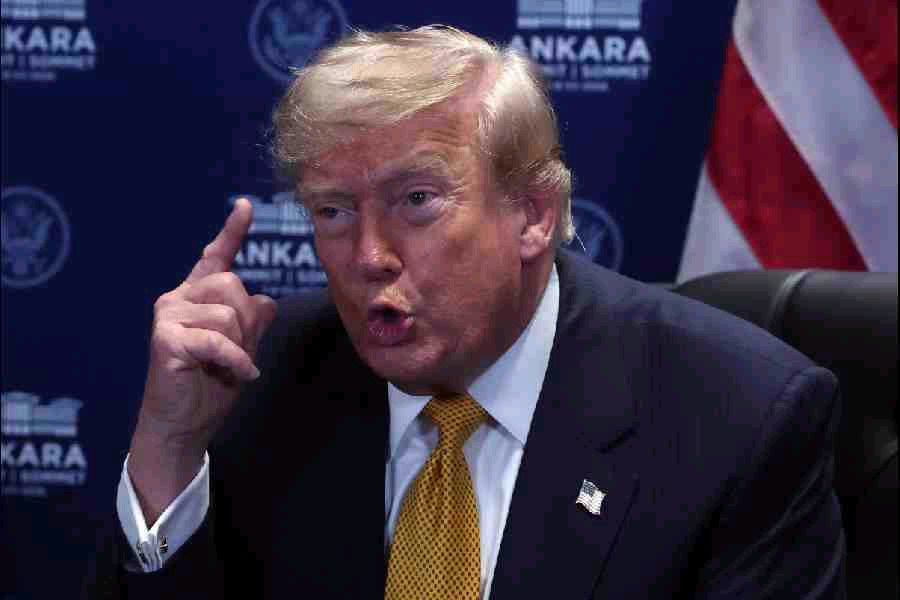
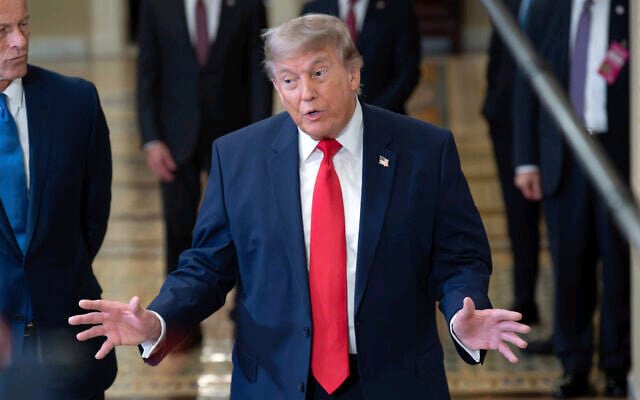
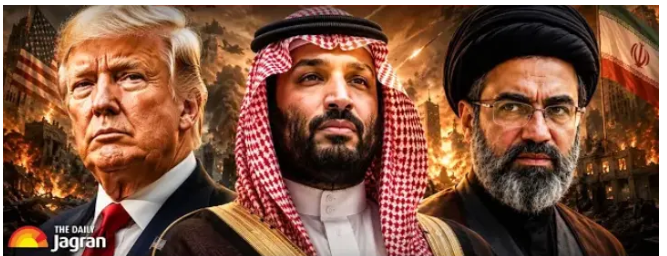
According to a report by Anadolu Agency on Wednesday, July 22, 2026, US President Donald Trump has said Washington is not interested in holding talks with Iran unless Tehran is prepared to engage in what he described as “meaningful” negotiations over its nuclear programme.
Speaking on Tuesday during a meeting with Lebanese President Joseph Aoun at the Oval Office, Trump claimed that Iranian officials were eager to meet with the United States but had yet to demonstrate a genuine commitment to productive dialogue.
According to the president, the US administration will not return to the negotiating table until it is convinced that Iran is serious about reaching a lasting agreement.
“They want to desperately meet, and until they’re ready to meet in a meaningful way, we have no interest,” Trump said.
The president reiterated his long-standing position that Iran must never be allowed to develop a nuclear weapon, insisting that the United States would continue taking whatever steps it considers necessary to prevent Tehran from acquiring one.
“Iran cannot have a nuclear weapon,” Trump said, adding that ongoing US military operations have significantly weakened Iran’s military infrastructure.
He claimed that American strikes had caused extensive damage to Iran’s capabilities, arguing that the country would require decades to recover if military operations were halted immediately.
“If we left right now, it would take Iran 20 to 25 years to rebuild,” Trump said, adding that the US military campaign against Iran “is not finished at all.”
The president also argued that Washington’s military actions had played a crucial role in protecting Israel, claiming that the current security situation in the region would have been far worse without US intervention.
“Our actions had a big impact,” Trump said, suggesting that Israel’s security had been strengthened by the American campaign.
Comparing the current military operations against Iran with previous US actions in Venezuela, Trump said the conflict involving Tehran was far more significant.
“This one, Iran is bigger,” he said before adding, “Honestly, they haven’t seen anything yet. We’ve been nice.”
Trump also addressed reports suggesting that Iran may have relocated nuclear centrifuges to the heavily fortified Pickaxe Mountain facility.
While acknowledging that such reports had emerged, he said the United States had not confirmed the claims.
“I think that they may have. We don’t have it on record,” he said.
The president argued that the location of centrifuges was less important than the whereabouts of nuclear material, suggesting that US intelligence agencies were closely tracking Iran’s enriched uranium stockpiles.
“We follow the material. That’s where the action is, and we’ll be getting that area very probably pretty soon,” Trump said.
He went further by indicating that additional military operations could target the area in the near future.
“Normally, I wouldn’t say that. If I thought they could do something about it, I would never say that. But we’ll be hitting that area pretty soon, and very heavily,” he added.
Trump’s comments come amid reports that he was recently briefed in the White House Situation Room on possible strategies to intensify the military campaign against Iran.
According to reports, options discussed included a possible operation to seize Kharg Island, Iran’s principal oil export terminal, as well as additional airstrikes targeting nuclear facilities believed to be located within Pickaxe Mountain.
The United States has significantly increased military operations against Iran over the past week, carrying out repeated airstrikes on military installations and strategic infrastructure across the country.
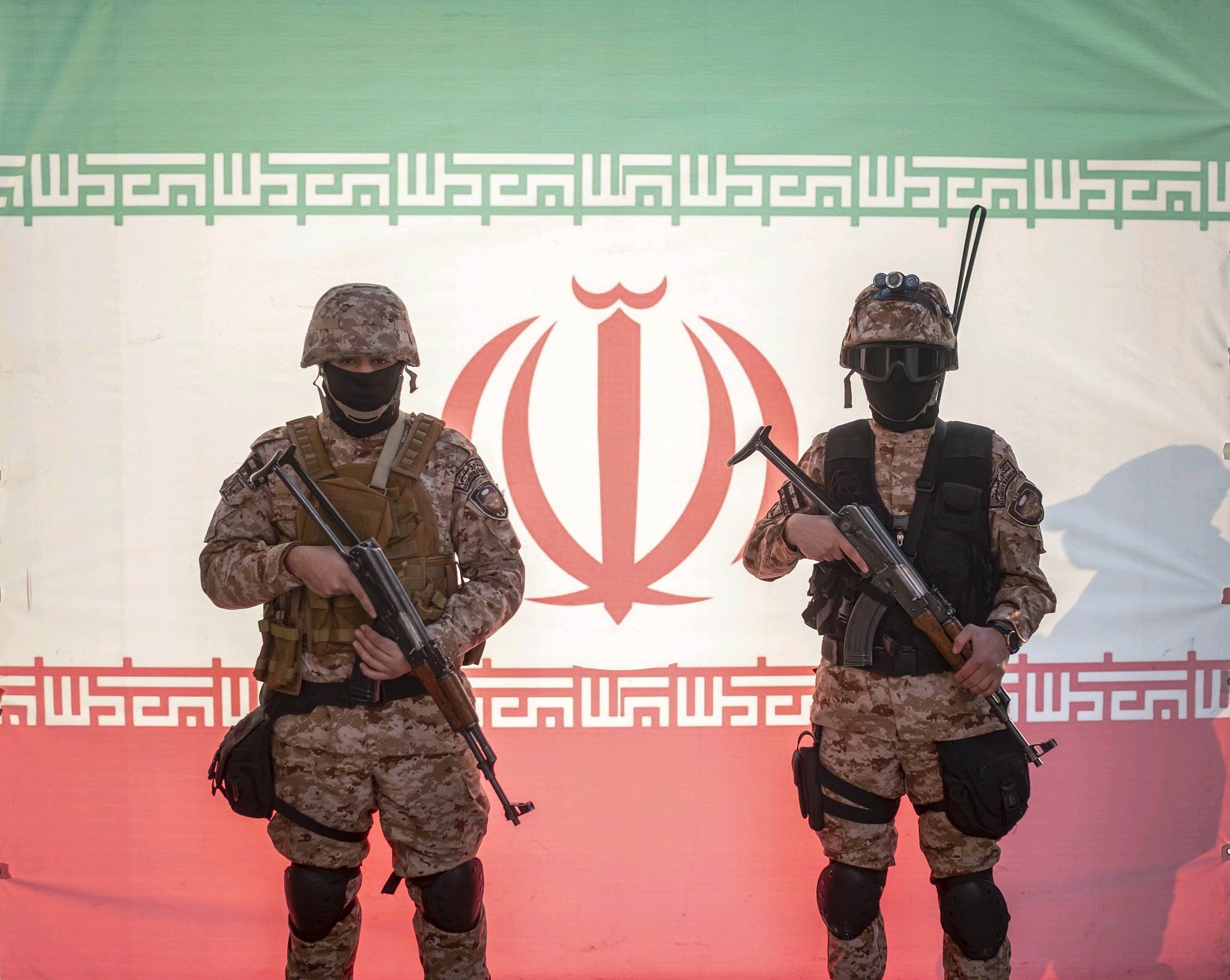
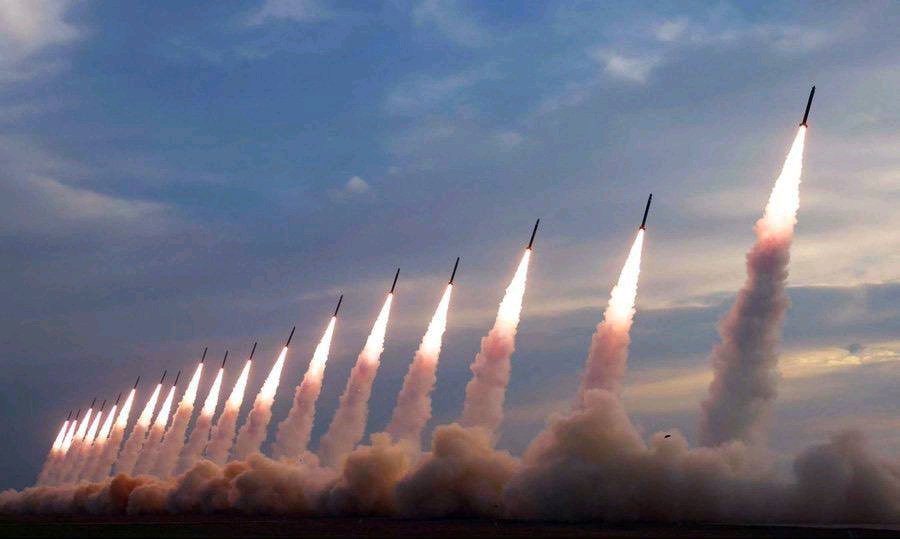
Iran has responded with missile and drone attacks targeting military facilities and bases used by US forces in several countries across the Middle East, further escalating regional tensions.
The renewed exchange of hostilities has unfolded despite a Pakistan-brokered memorandum of understanding signed by Washington and Tehran in June. The agreement was intended to end months of fighting that began earlier this year and create a pathway towards a lasting peace agreement.
However, the ceasefire has largely broken down following renewed disagreements over security in the Strait of Hormuz and continued military operations by both sides……See More







Leave a Reply