

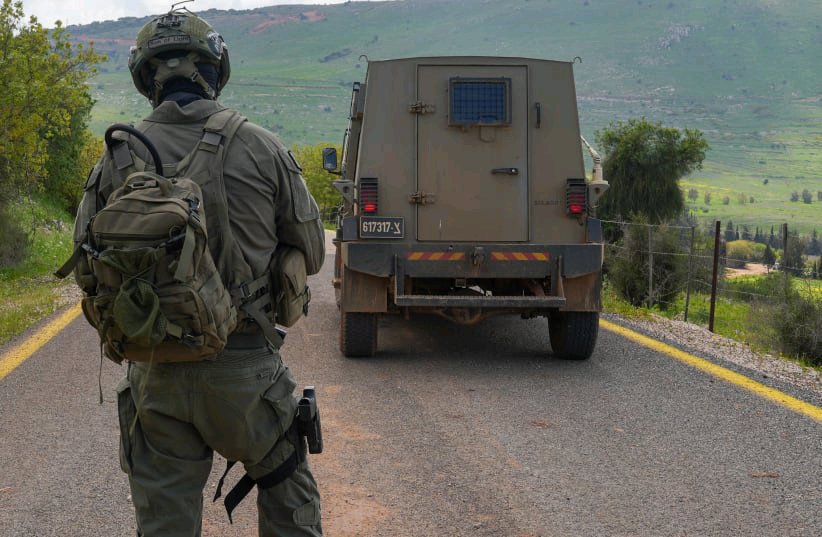
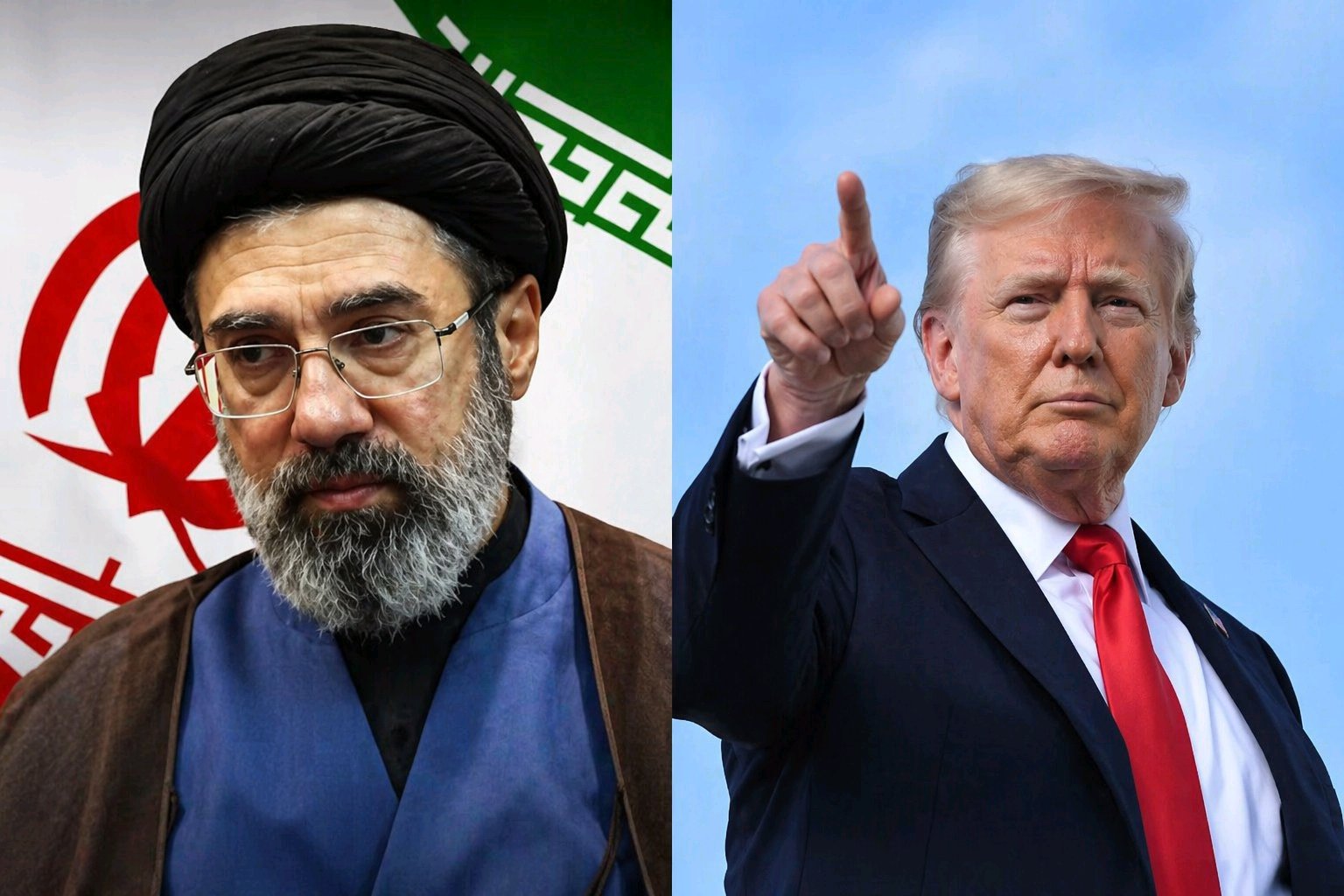
Tensions in the Middle East are increasing as the United States expands its naval blockade on Iran, while renewed violence in Lebanon and Gaza raises concerns about the stability of an already fragile ceasefire.
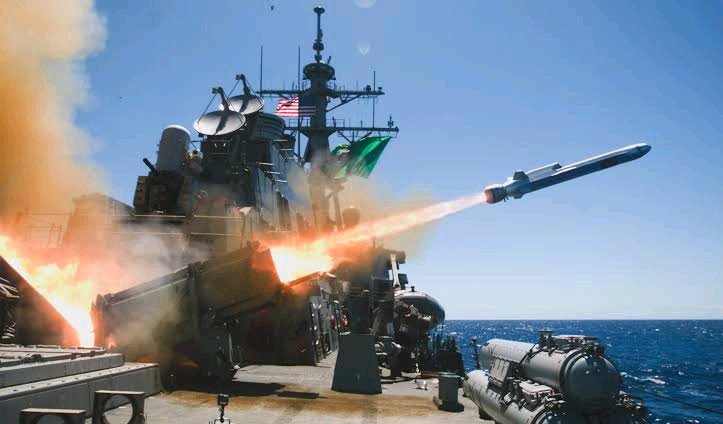
Recent developments show that the United States has intensified efforts to restrict Iran’s oil exports by enforcing a naval blockade targeting vessels linked to Iranian trade. Reports indicate that several ships have been intercepted or redirected as part of the operation.
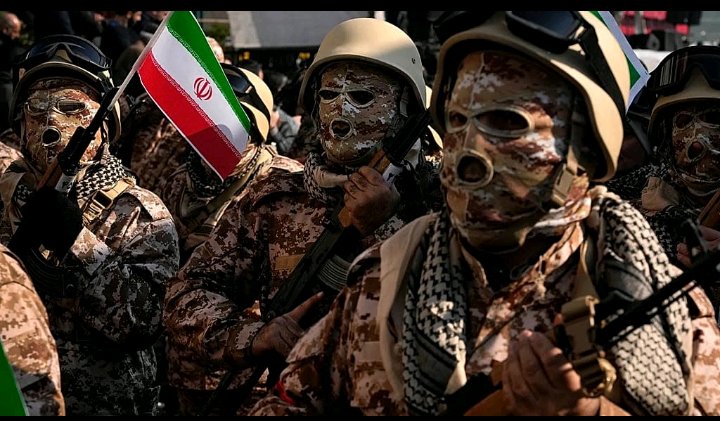
Iran has strongly criticized the move, describing it as a major obstacle to diplomacy. Iranian officials argue that continued economic pressure undermines any possibility of meaningful negotiations.
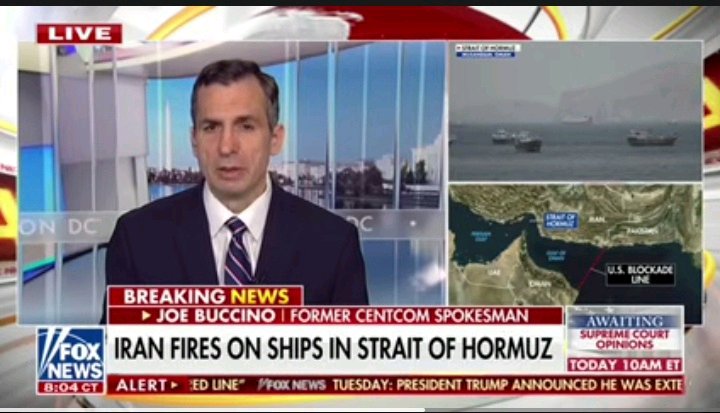
At the same time, tensions have escalated in the Strait of Hormuz, a critical global oil route. Iranian authorities have warned that reopening the passage is not possible under current conditions, especially while the blockade remains in place.
The situation has already begun affecting global markets. Oil prices have risen above $100 per barrel amid fears of supply disruptions, while stock markets in parts of the Gulf region have declined due to uncertainty surrounding the conflict.
Experts warn that prolonged instability in the Strait of Hormuz could disrupt a significant portion of the world’s oil supply, increasing pressure on economies worldwide.
Meanwhile, violence continues across different parts of the region. In Lebanon, recent airstrikes have resulted in casualties, including civilians, despite an existing ceasefire. Armed groups have also exchanged attacks, raising fears of further escalation.
In Gaza, military operations are ongoing, with both sides accusing each other of violations. These developments highlight the difficulty of maintaining peace agreements in a highly volatile environment.
Although there have been efforts to sustain a ceasefire, there is little progress toward a long-term solution. Negotiations between the United States and Iran remain stalled, and both sides continue to take actions that increase tensions.
Analysts believe that without renewed diplomatic engagement, the current situation could deteriorate further, affecting not only the Middle East but also global economic stability.
The Middle East remains on edge as military actions, economic pressure, and political disagreements continue to shape the conflict. With key shipping routes under threat and violence persisting in multiple areas, the risk of wider escalation remains a serious concern.
Do you think diplomacy can still resolve the tensions between the US and Iran?
Or is the region heading toward a deeper conflict?
Share your thoughts in the comments…….See More








Leave a Reply