

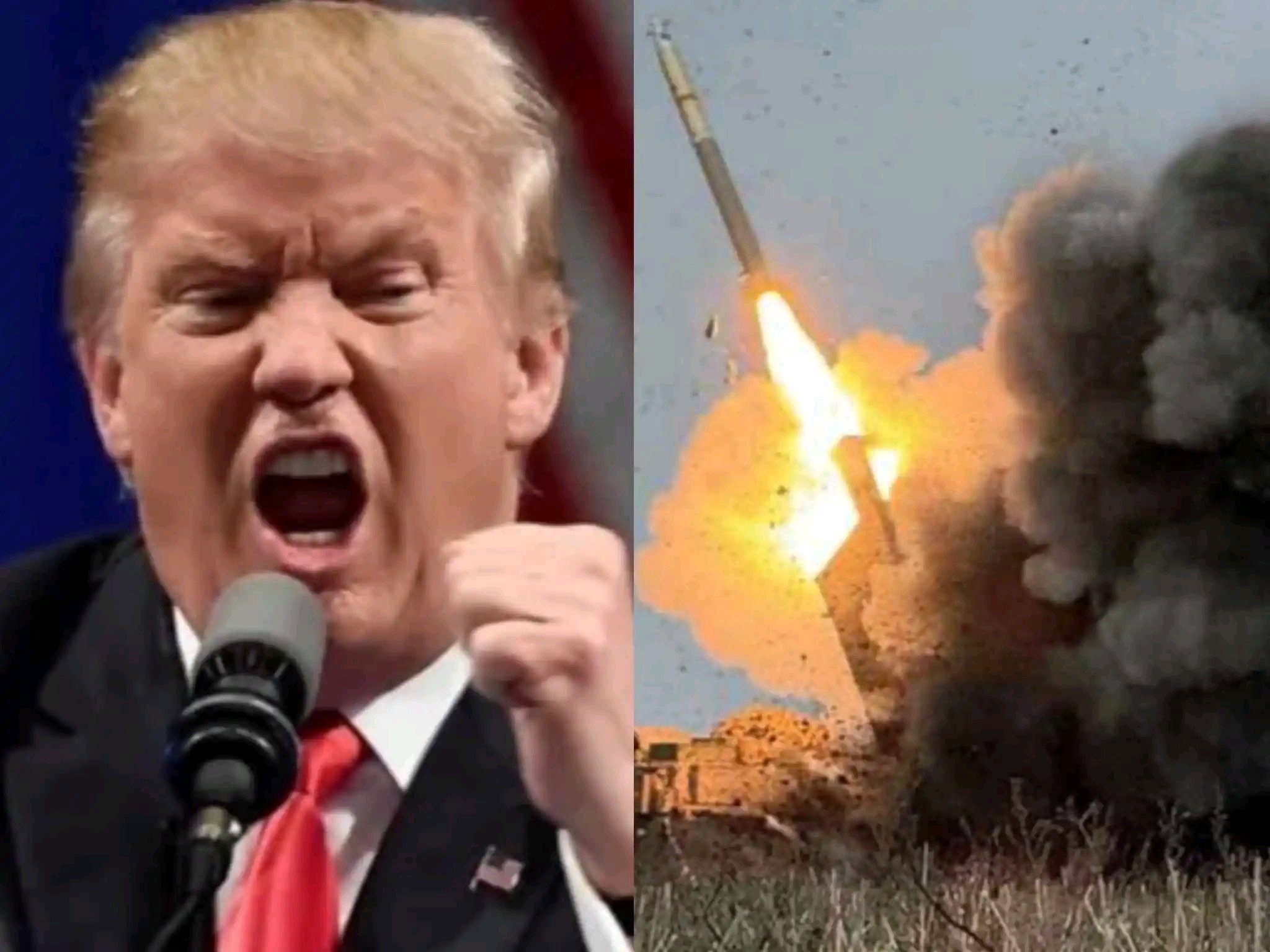
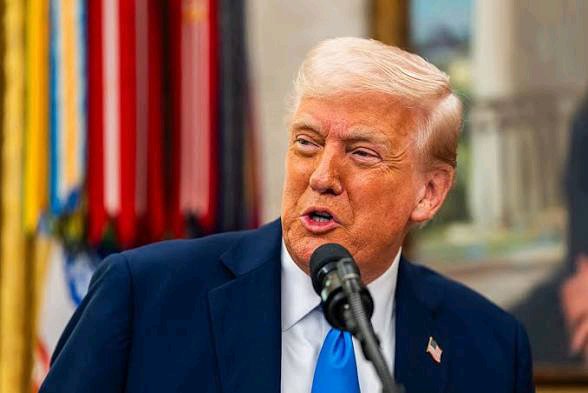
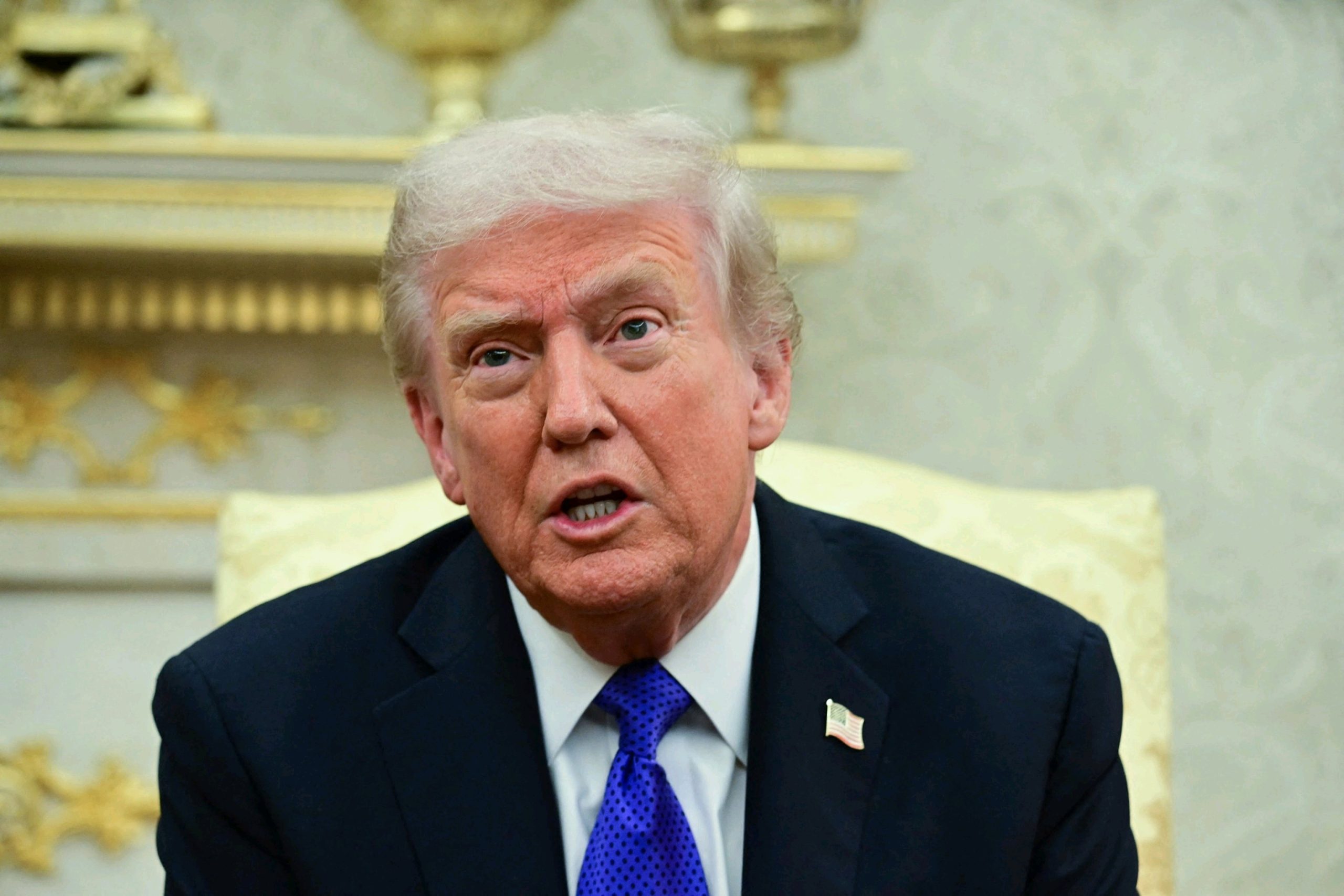
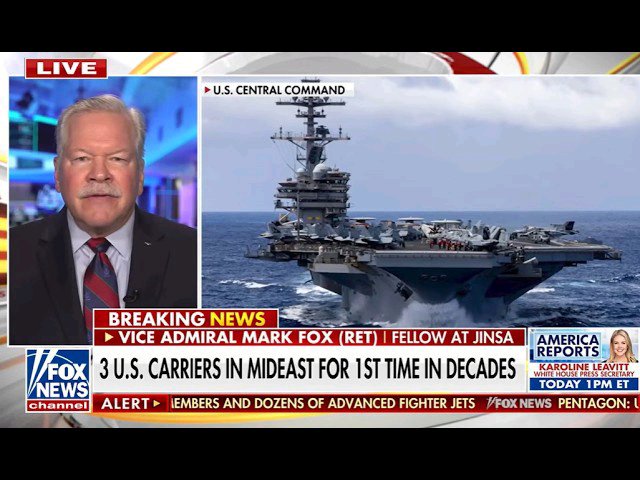
As tensions simmer between Donald Trump and Iran, questions are intensifying over the limits of presidential power and the role of Congress in authorising military action. Despite a 60-day deadline for approval having passed, the Trump administration argues that an ongoing ceasefire effectively pauses the legal clock, allowing it to sidestep immediate congressional consent.
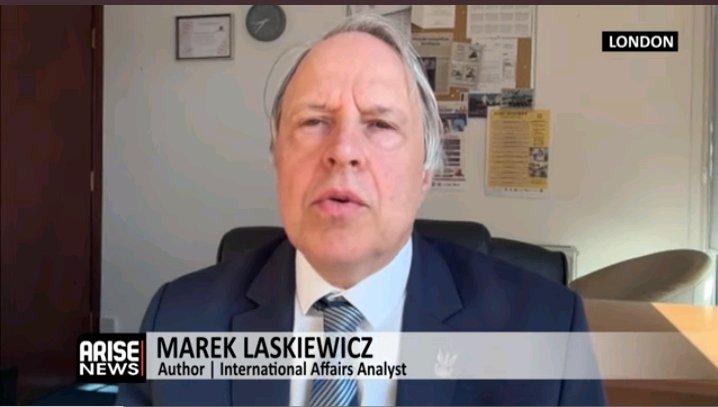
In a recent interview on Arise News, according to international affairs analyst Marek Laskiewicz, while Congress theoretically holds the authority to approve or halt military operations, the reality is far more complex. The president, he explains, can proceed with military plans unless lawmakers take decisive action, such as pursuing impeachment—an unlikely scenario given current political dynamics.
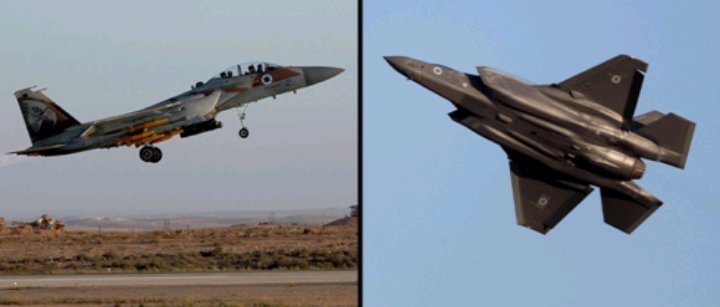
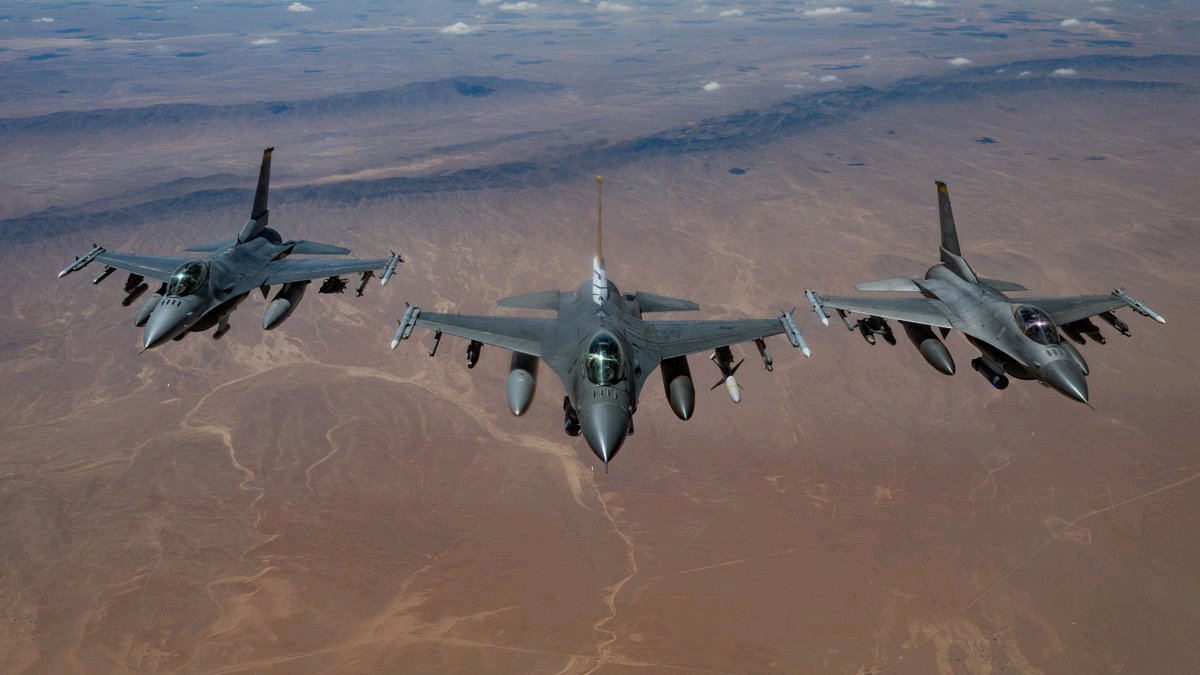
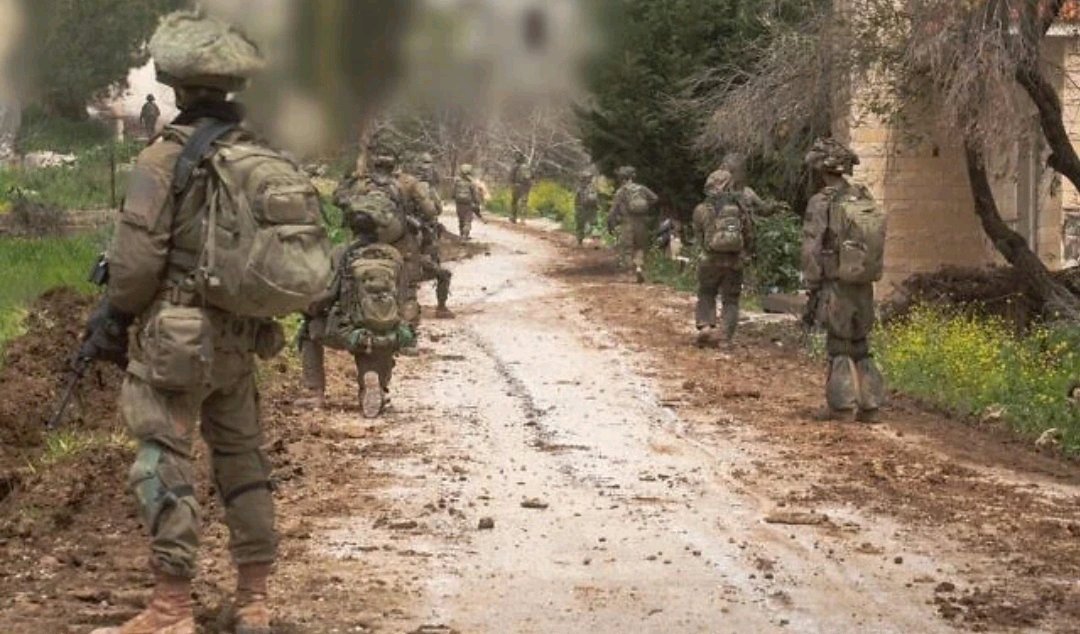
The administration’s position rests on a controversial interpretation: that the ceasefire nullifies the urgency of congressional approval. Critics, however, see this as a strategic workaround designed to bypass legislative scrutiny. Meanwhile, reports indicate that plans for a rapid military strike against Iran are already under consideration, raising concerns about how quickly events could escalate.
“If the president decides to act, it may happen suddenly, turning the situation into a fait accompli before Congress can respond,” Laskiewicz warns, highlighting the potential for swift, unilateral action.
Beyond legal debates, financial constraints and domestic political pressures also loom large. With rising fuel costs and declining public support, the American public’s tolerance for prolonged conflict is uncertain. Still, Trump appears to be betting on the political payoff of a decisive military success to shift public opinion…….See More






Leave a Reply