

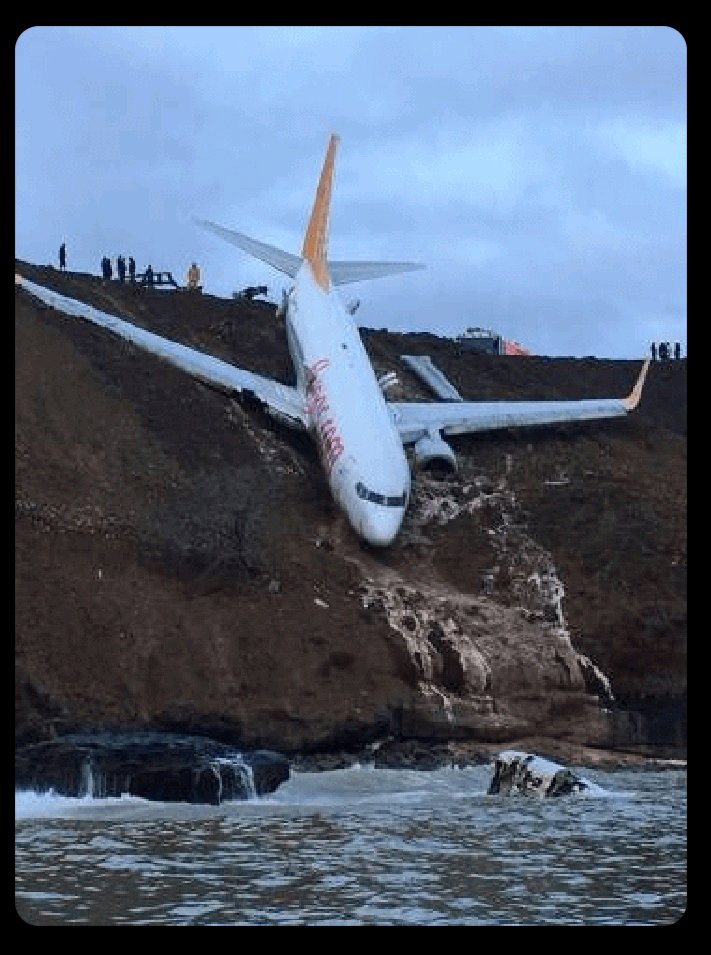
When we think of plane crashes, our minds often drift to the realm of film and fiction, where such tragedies are dramatized with a focus on heroism or nail-biting suspense. However, the stark reality of aviation disasters is far grimmer and more heart-wrenching. Throughout history, aviation accidents have claimed thousands of lives and left lasting scars on families and communities. Each incident serves as a painful reminder that what may be portrayed as thrilling entertainment on screen is, in fact, a tragedy that touches real lives.
One of the most notorious examples involves the 1977 Tenerife airport disaster, considered the deadliest aviation accident in history. In a series of catastrophic communication errors and dense fog, two Boeing 747 aircraft collided on the runway, resulting in the deaths of 583 people. This harrowing event illuminated the vital importance of clear communication in aviation and led to significant changes in air traffic control protocols worldwide. The human suffering enveloping this disaster rippled far beyond those aboard the aircraft; it forever altered the lives of countless families who lost loved ones.
Another heart-wrenching story is that of the 1985 Japan Airlines Flight 123 crash, which remains the single deadliest aircraft accident with a staggering 520 fatalities. Following a faulty repair, the airline’s Boeing 747 suffered a catastrophic failure that led to its eventual crash into a mountainous region. The sheer scale of the tragedy left virtually no survivors and revealed the dark consequences of inadequate safety measures and oversight. The grief felt by families was immeasurable, and the horrific details surrounding the accident serve as a somber reminder of the vulnerabilities inherent in air travel.
While technological advancements have made flying safer over the years, the specter of past accidents continues to haunt the aviation industry. Each incident serves as both a lesson and a lament, urging us to recognize that behind the statistics and headlines are real people grappling with profound loss. The aviation community honors these memories through rigorous safety protocols, advancements in engineering, and relentless training, hoping to ensure that such catastrophes remain in the pages of history rather than repeating themselves. This sobering reality underscores the fragility of life and the enduring quest for safety in the skies…..See More










Leave a Reply