

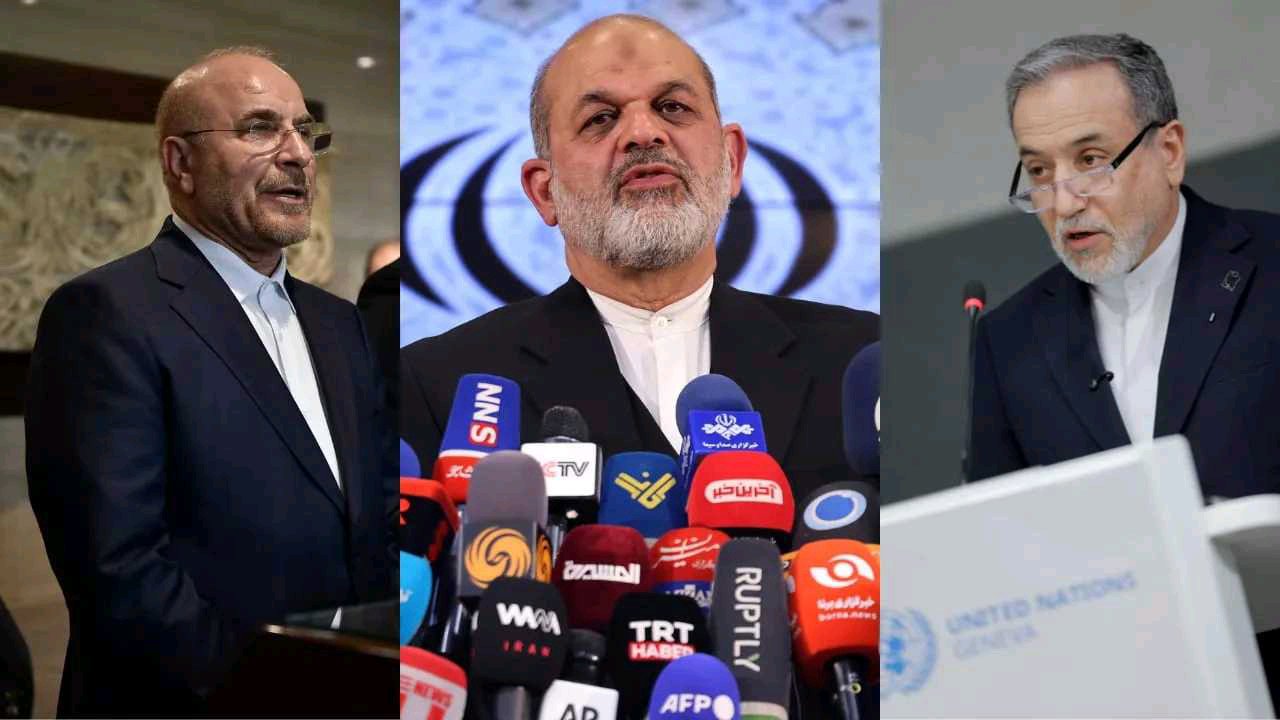
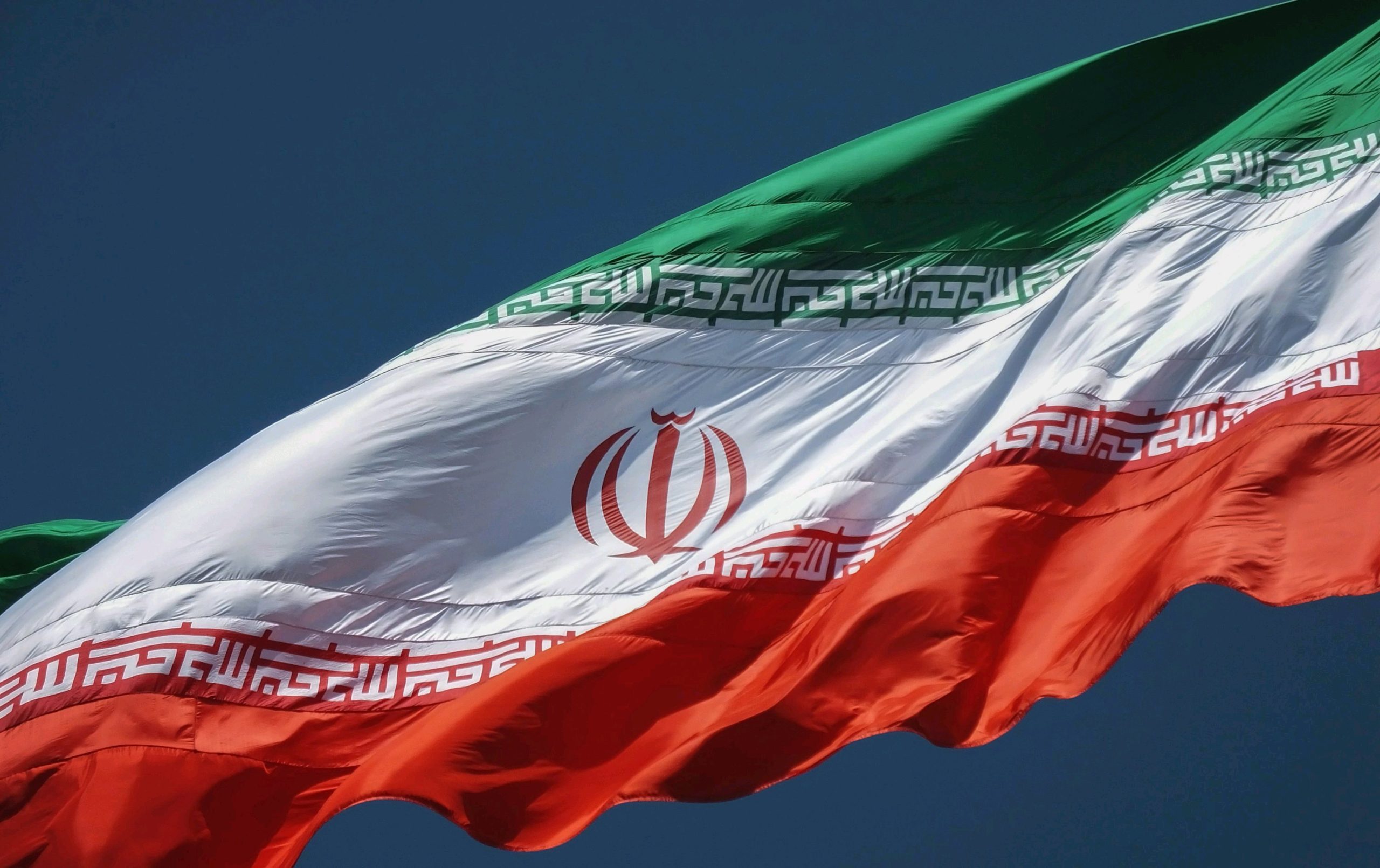
According to a report by The Jerusalem Post on Friday, April 10, 2026, divisions have reportedly surfaced within Iran’s leadership over the composition of its negotiating team ahead of crucial talks with the United States, highlighting internal tensions at a critical moment in diplomacy.
According to a report by Iran International, senior Iranian officials are at odds over who should represent Tehran in the negotiations scheduled to take place in Pakistan. The disagreement is said to involve high-ranking political and military figures, underscoring competing priorities within the Iranian establishment.
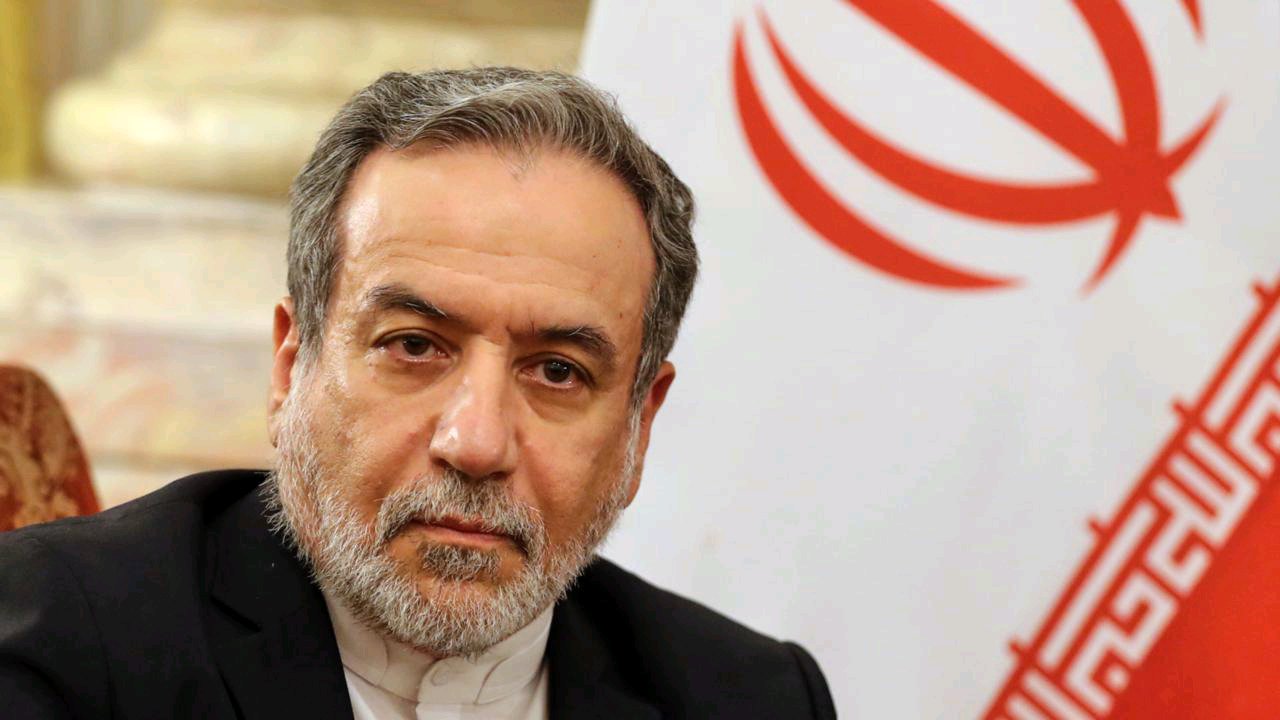
At the centre of the dispute is Ahmad Vahidi, commander-in-chief of the Islamic Revolutionary Guard Corps (IRGC), who is reportedly seeking to limit the influence of Foreign Minister Abbas Araghchi and Parliament Speaker Mohammad Bagher Qalibaf in shaping the negotiating delegation.
Sources cited in the report indicate that Vahidi is pushing for the inclusion of Mohammad Bagheer Zolghadr, a figure believed to have strong backing from the IRGC. Zolghadr was recently appointed Secretary of Iran’s National Security Council, a move reportedly influenced by pressure from the IRGC on President Masoud Pezeshkian.
However, members of the current negotiating team are said to be resisting this proposal, arguing that Zolghadr lacks the experience required for high-stakes diplomatic negotiations. The disagreement reflects broader tensions between Iran’s civilian leadership and its powerful military establishment.
Further complicating matters, both Vahidi and senior IRGC commanders have reportedly insisted that Iran’s missile programme be excluded entirely from the scope of negotiations. This stance aligns with Tehran’s longstanding position that its defence capabilities are non-negotiable, but it could pose a major obstacle in talks with Washington.
Meanwhile, Qalibaf has continued to assert that any ceasefire arrangement tied to the negotiations includes a halt to hostilities in Lebanon a claim that has been rejected by both Israel and the United States, adding to the uncertainty surrounding the framework for dialogue.
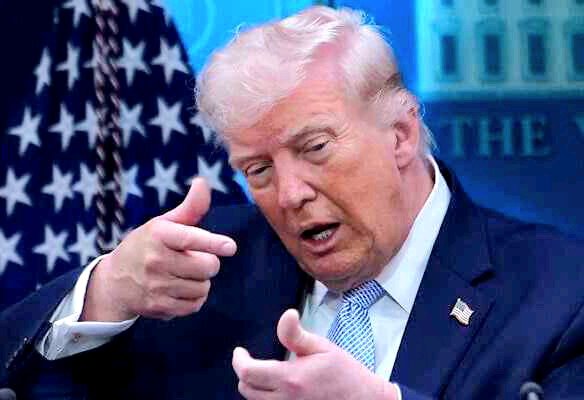
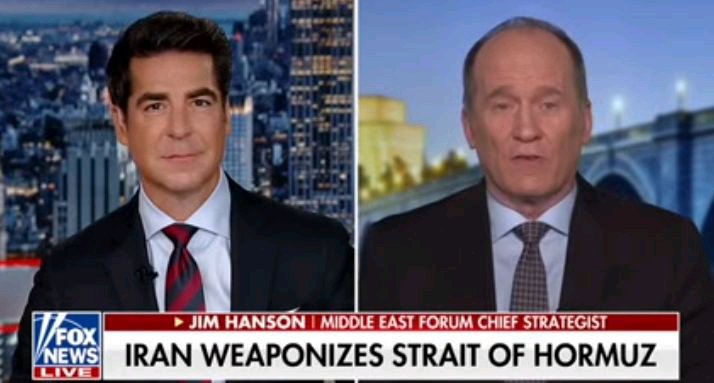
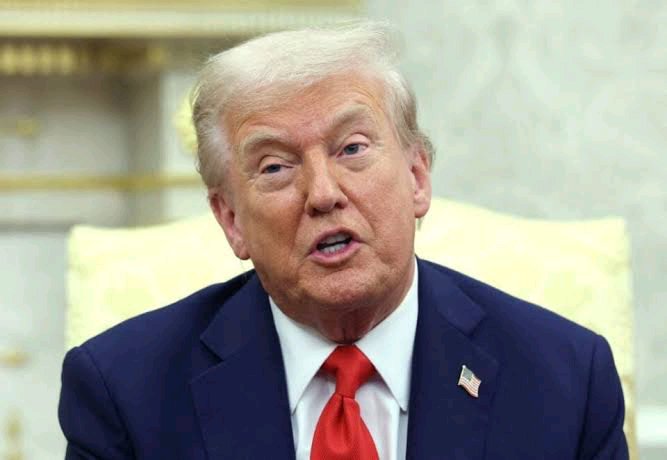
On the American side, President Donald Trump has criticised Iran’s recent actions, accusing Tehran of failing to adhere to agreed terms regarding the reopening of the Strait of Hormuz.
“That is not the agreement we have!” Trump wrote on his Truth Social platform, expressing frustration over what he described as Iran’s “dishonourable” conduct.
U.S. Vice President JD Vance departed for Pakistan on Friday to lead the American delegation, stating that the negotiating team had been given clear directives by the president.
“If the Iranians are willing to negotiate in good faith, we’re certainly willing to extend the open hand,” Vance said…..See More


Leave a Reply