

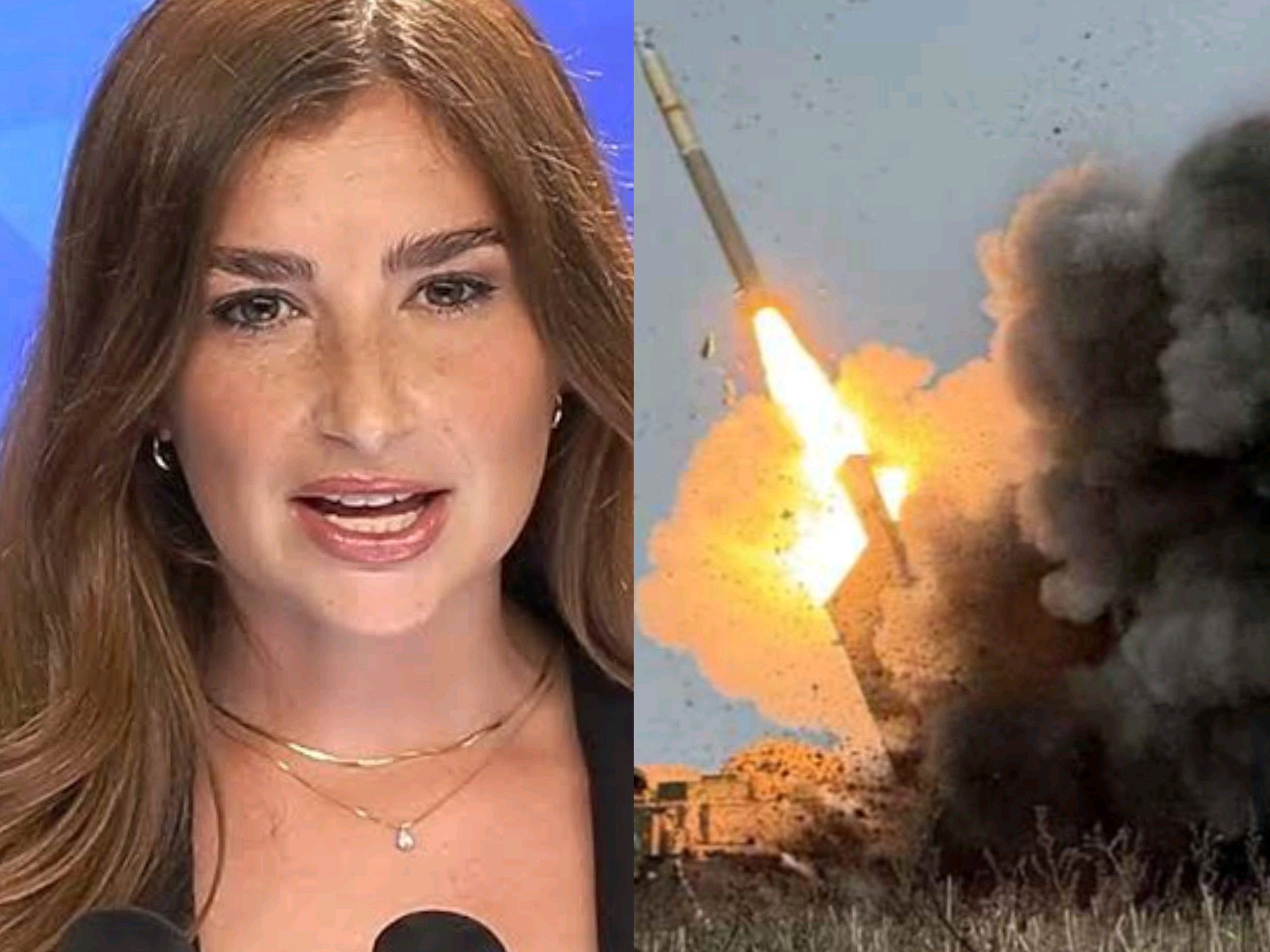
Israeli Prime Minister Benjamin Netanyahu’s spokesperson, Shosh Bedrosian, held a detailed media briefing focusing on major regional developments, including U.S.-brokered negotiations involving Lebanon, ongoing security tensions with Hezbollah, and Israel’s close coordination with the United States regarding Iran’s nuclear programme and missile capabilities.
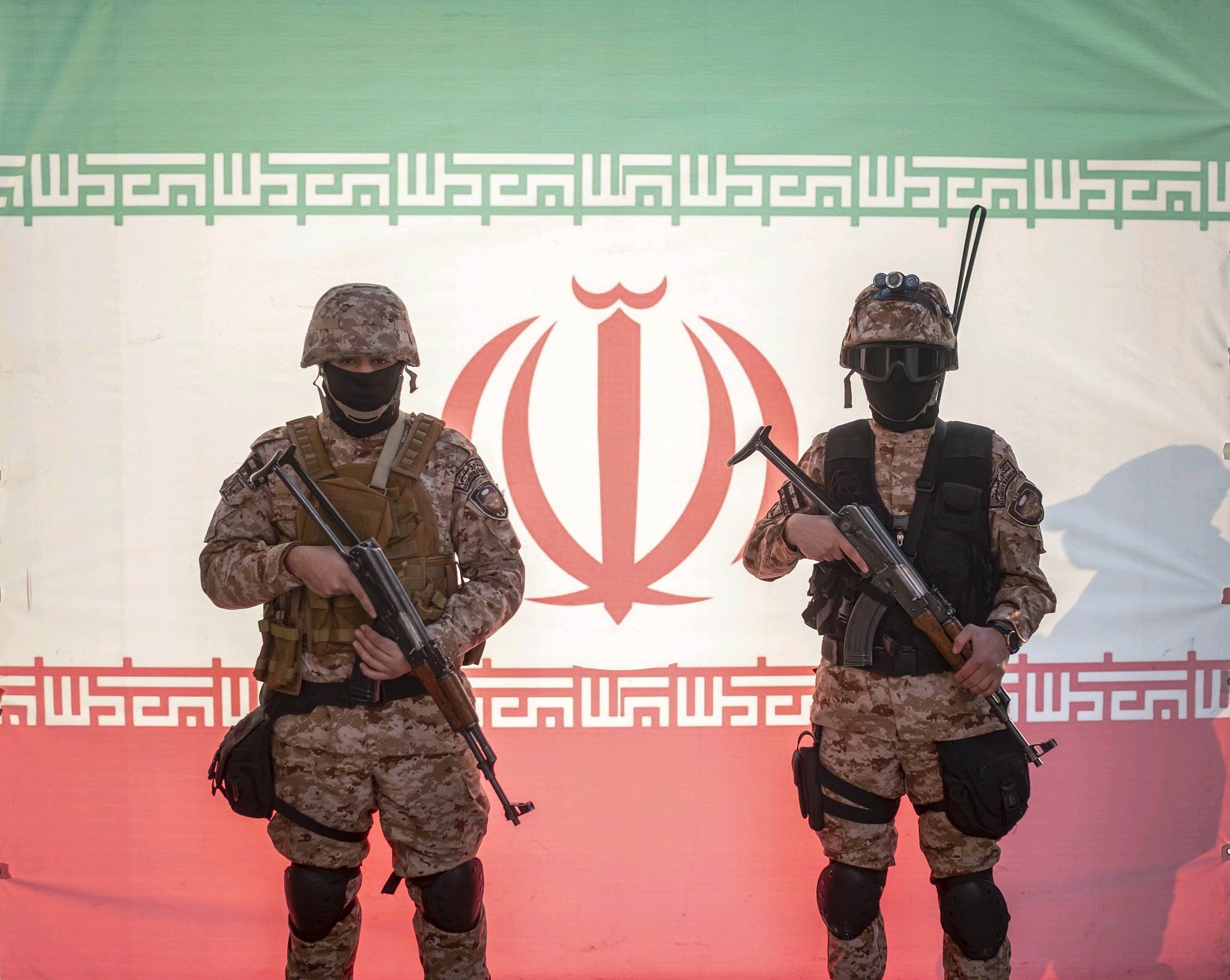
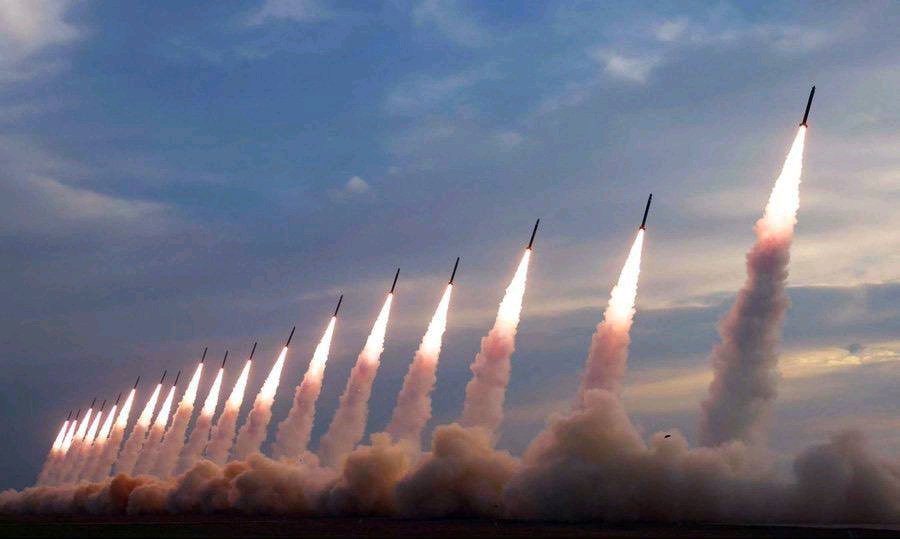
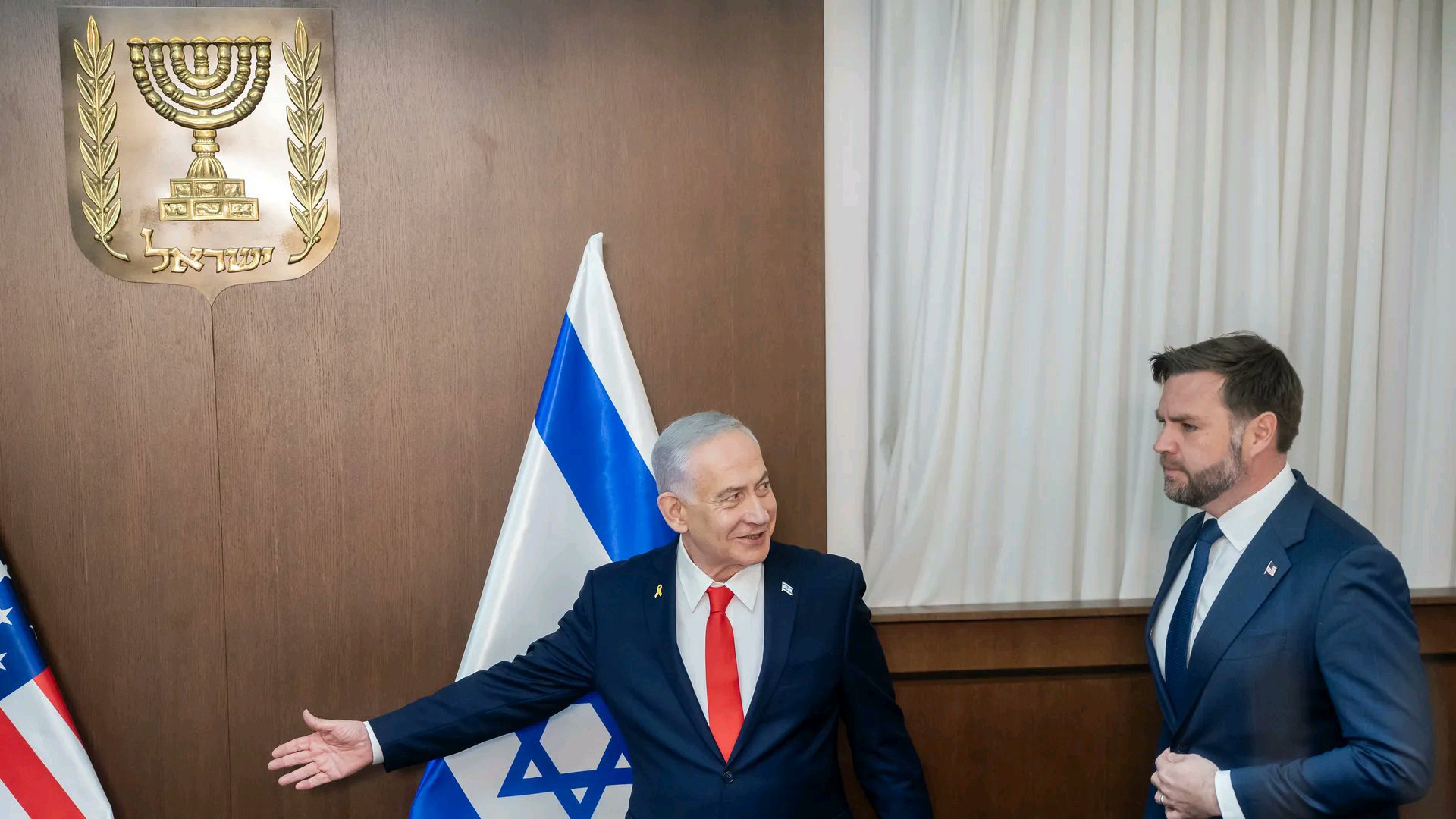
In a video shared by DRM News, she stressed the level of cooperation between both allies, stating, “Israel is working in full coordination with the United States to ensure Iran no longer poses a nuclear, missile, and terroristic threat to our nations. We are prepared and ready for any scenario.”
The briefing also touched on a newly released report concerning the October 7 attacks, which has continued to draw international attention and scrutiny. Bedrosian used the occasion to provide updates and clarify Israel’s position on the findings and their broader implications.
She also took questions from international media representatives, addressing issues spanning military operations, legal interpretations, and political considerations linked to the ongoing conflict. Throughout the session, officials reaffirmed Israel’s commitment to safeguarding national security while maintaining communication with global partners.
Bedrosian further noted that Israel remains engaged on multiple diplomatic and security fronts, balancing military preparedness with efforts to manage regional tensions. She emphasized that coordination with the United States remains central to Israel’s strategic approach, particularly as threats evolve across the Middle East……See More







Leave a Reply