

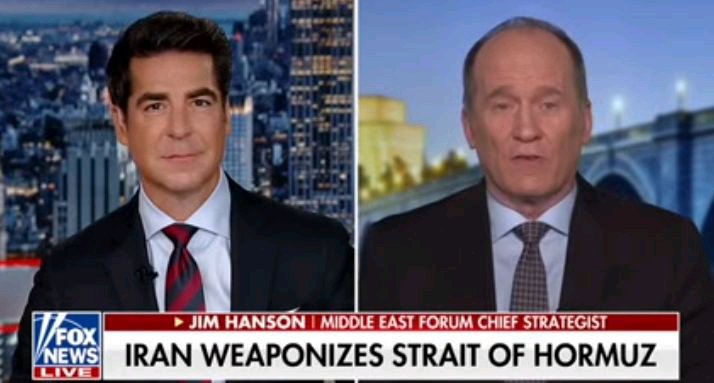
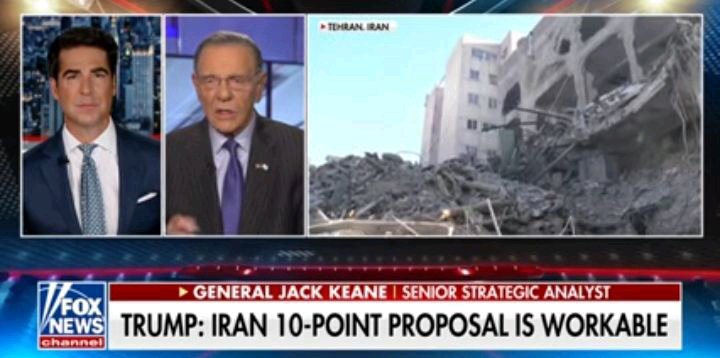
According to a recent video on Fox News, a renewed wave of speculation surrounding Iran’s leadership has sparked sharp reactions from both media figures and policy analysts, as questions persist about the visibility and role of the country’s supreme authority.
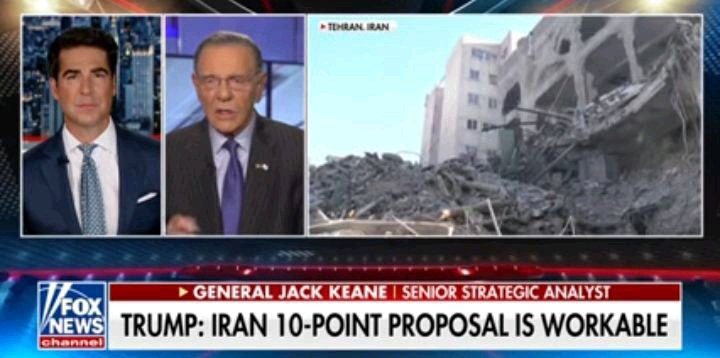
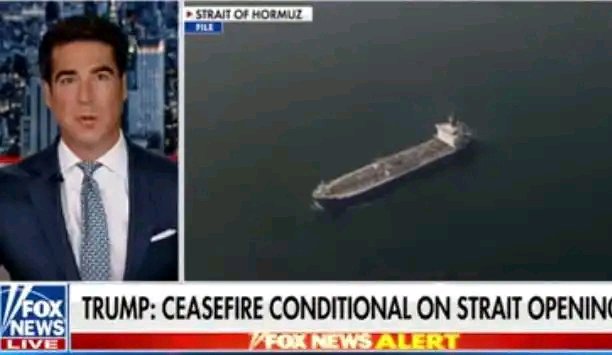
During a recent broadcast, Jesse Watters reacted to reports suggesting that Iran’s Supreme Leader had resurfaced after a prolonged absence from public view. Framing the development as significant, Watters said, “Breaking news — the ayatollah is alive. I had no idea,” underscoring the level of uncertainty that had surrounded the leader’s status in recent weeks.
Watters went on to describe the moment as potentially consequential for global stability. “He heard word civilization will end and he told his boys to sign something. This is big,” he added, suggesting that renewed visibility from Iran’s leadership could be tied to urgent geopolitical developments or negotiations.
Security analyst Jim Hanson offered a more skeptical interpretation, questioning both the timing and authenticity of the reappearance. “It’s that weekend ‘the ayatollah’ thing,” Hanson said, implying that the sudden visibility may have been orchestrated for strategic purposes rather than signaling a substantive shift.
Hanson also raised doubts about how frequently the Iranian leader has been seen publicly. “I hope they propped him up and started using the cardboard guide — you have to bring him out at least once because nobody has seen them since day one,” he remarked, using pointed language to highlight concerns about transparency within Iran’s leadership structure.
The comments reflect broader uncertainty among analysts and commentators regarding the internal dynamics of Iran’s government, particularly at times of heightened international tension. Periods of limited public appearances by senior leaders have historically fueled speculation about health, decision-making authority, and regime stability.
Experts caution, however, that public messaging and appearances in tightly controlled political systems often serve strategic communication goals, whether aimed at domestic audiences or international observers. In such contexts, even brief reappearances can carry symbolic weight.
The exchange between Watters and Hanson illustrates the mix of skepticism and urgency shaping current discourse around Iran. While some view the development as a sign of movement toward potential agreements, others see it as a calculated effort to project continuity and control……See More







Leave a Reply