


In an exclusive interview with Times of India (TOI) on Saturday, April 4, 2026, Russian Foreign Minister Sergey Lavrov outlined Moscow’s position on the ongoing crisis in the Persian Gulf, emphasizing that the restoration of normal shipping through the Strait of Hormuz is contingent on the cessation of military hostilities. His remarks come amid heightened tensions following military actions involving the United States and Israel against Iran, which Russia has strongly criticized as destabilizing and counterproductive to global security.
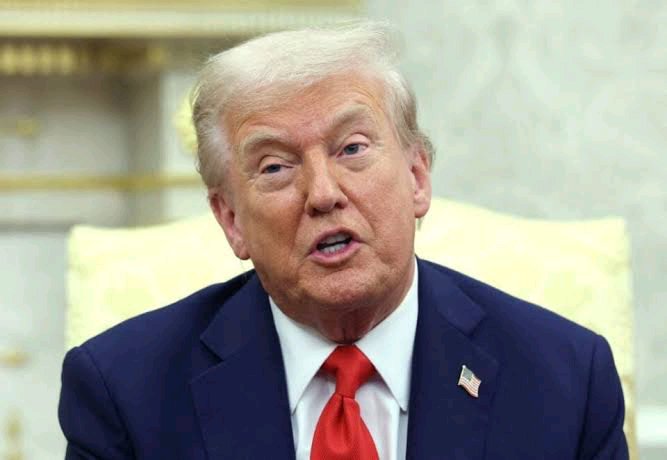
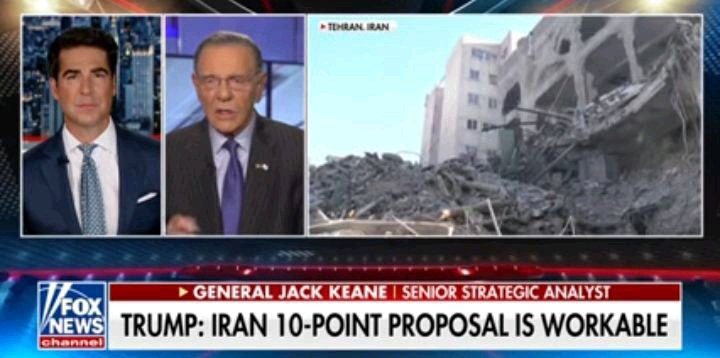
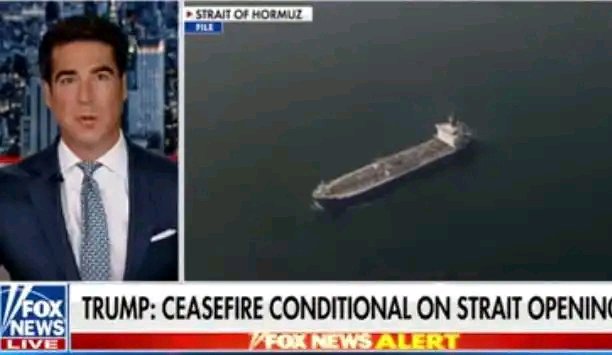
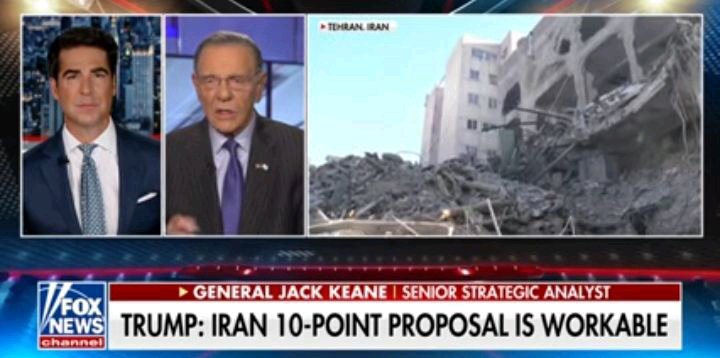
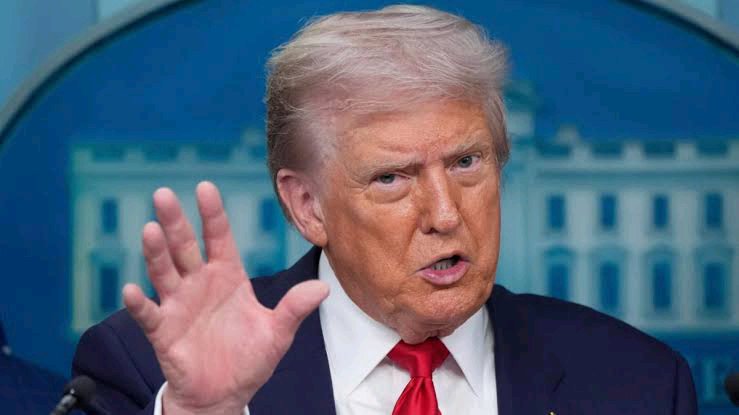
Lavrov made it clear that the disruption to maritime navigation in the strategic waterway is not an isolated issue but a direct consequence of ongoing conflict. He pointed to recent comments by Donald Trump suggesting that shipping would resume once combat operations conclude, arguing that this implicitly acknowledges the central problem. According to Lavrov, the pathway to restoring safe and normal passage lies not in pressuring Iran alone but in addressing the broader military escalation in the region.
Lavrov Stated: “Military actions must cease and then the straits regime will be restored which fully rallies on the 1982 United Nations Convention on the Law of the Sea which in peace time defines all norms of navigation it doesn’t function in wartime.”
Expanding on this position, Lavrov explained that the legal framework governing international waters, specifically the United Nations Convention on the Law of the Sea, is fundamentally designed for peacetime conditions. He stressed that as long as active conflict persists, the principles ensuring freedom of navigation cannot be effectively applied. This, he argued, is why maritime disruptions continue despite international expectations.
Lavrov further warned that attempts to pass international resolutions that fail to acknowledge Iran as a victim of aggression risk undermining fragile diplomatic efforts. He suggested that such moves could either derail ongoing negotiations or serve to retroactively justify military actions, thereby deepening mistrust among key stakeholders……See More







Leave a Reply