


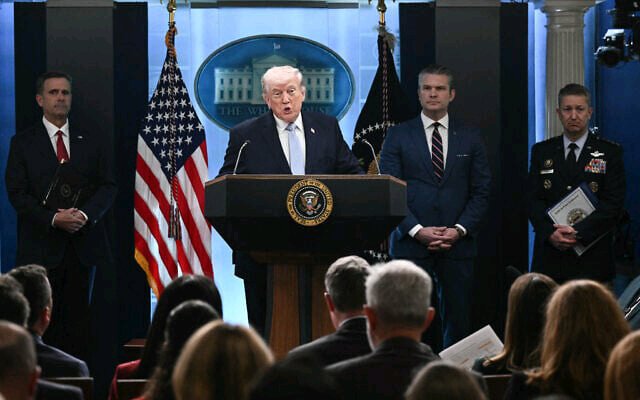
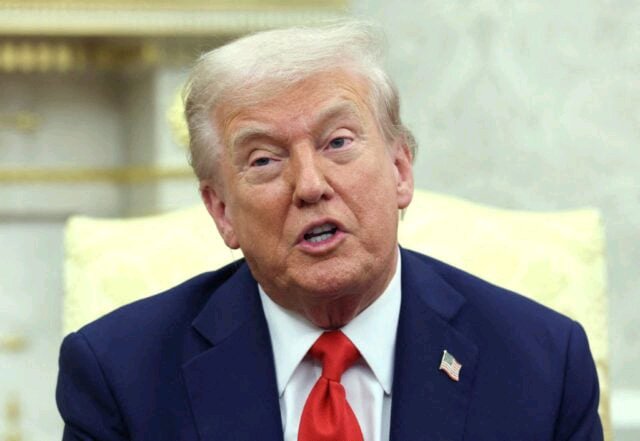
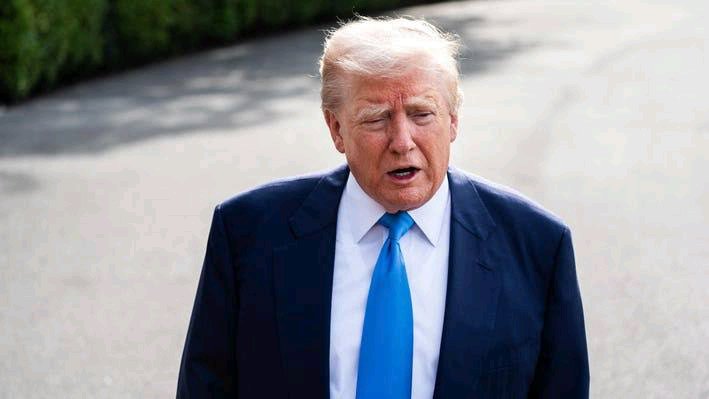
According to a report by BBC on Monday April 6, 2026, a former senior U.S. national security official has raised concerns over President Donald Trump’s handling of the escalating conflict with Iran, warning that decision-making appears increasingly centralized and detached from established advisory processes.
Ben Rhodes, who served under former President Barack Obama, said the current approach to the crisis “feels like one man in one room making decisions,” suggesting a departure from the traditional structure of U.S. foreign policy deliberation.
Speaking on BBC Radio 4’s Today programme, Rhodes expressed concern that Trump may not be adequately consulting military and political advisers as tensions with Iran intensify. According to him, the absence of what he described as the “normal process” raises questions about the checks and balances typically involved in decisions of war and peace.
Rhodes’ remarks come amid heightened global anxiety following Trump’s recent threats directed at Iran’s civilian infrastructure, including power plants and bridges. Critics argue that such actions, if carried out, could violate international humanitarian law and endanger civilian lives.
“We’re going to find out whether the U.S. military is ready to say no to Trump,” Rhodes said, suggesting that the situation could test the independence and professionalism of American military leadership in the face of controversial orders.
The former adviser also emphasized that a military solution is unlikely to bring a lasting end to the conflict. Instead, he argued that diplomacy remains the only viable path forward.
According to Rhodes, Trump will ultimately have to acknowledge that the crisis with Iran “can only end at the negotiating table,” regardless of the current escalation. While acknowledging that recent U.S. and allied strikes may have weakened Iran militarily, he warned that the situation has also revealed Tehran’s ability to exert pressure on the global economy.
A key example, he noted, is the strategic importance of the Strait of Hormuz, through which a significant portion of the world’s oil supply passes. Iran’s capacity to disrupt this critical corridor has already demonstrated how quickly tensions in the region can translate into global economic consequences, including rising energy prices.
Rhodes concluded that while military actions may achieve short-term objectives, they risk strengthening Iran’s leverage in other ways, particularly by showcasing its influence over vital international trade routes……See More




Leave a Reply