

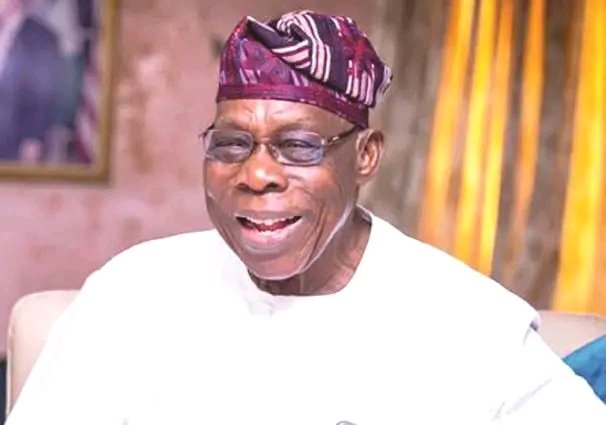
According to Punch Newspaper, former President Olusegun Obasanjo has shared personal health tips for octogenarians seeking to live beyond the age of 90, stressing the importance of discipline, exercise, adequate rest and moderation in eating habits.
Obasanjo, who recently turned 89, disclosed that maintaining a healthy lifestyle over the years has helped him remain active and mentally alert despite his age. He advised elderly people to avoid excessive eating and adopt a simple daily routine focused on physical wellbeing.
According to the former president, “If you want to live beyond 90 years, you must discipline yourself. Exercise daily, eat moderately and have enough rest.”
Obasanjo revealed that he follows a strict two-meal routine, noting that overeating contributes to several health complications among elderly people. He said many people consume more food than their bodies require, especially at old age when metabolism slows down.
“I eat only twice a day. At our age, we should not overload the body with food. Too much food becomes a problem,” he said.
The elder statesman also encouraged older citizens to remain physically active regardless of age, explaining that regular movement and exercise help improve circulation and reduce the risk of chronic illnesses. He added that rest is equally important, warning against unnecessary stress and overworking in old age.
“Daily exercise is necessary. You must move your body. Rest well too because stress kills faster than many diseases,” Obasanjo stated.
He further urged elderly Nigerians to embrace preventive healthcare and regular medical checkups, saying many age-related illnesses can be managed effectively if detected early.
The former president’s comments have sparked discussions on healthy ageing and longevity, particularly among senior citizens and healthcare advocates. Medical experts have long linked balanced diets, regular exercise and adequate sleep with longer life expectancy.
Obasanjo, widely regarded as one of Nigeria’s most active elder statesmen, continues to participate in national and international engagements despite his advanced age, often drawing admiration for his energy and fitness.
His latest remarks have added to ongoing conversations about healthy living among Nigeria’s ageing population, with many supporters praising his practical approach to longevity and wellness…….See More










Leave a Reply