

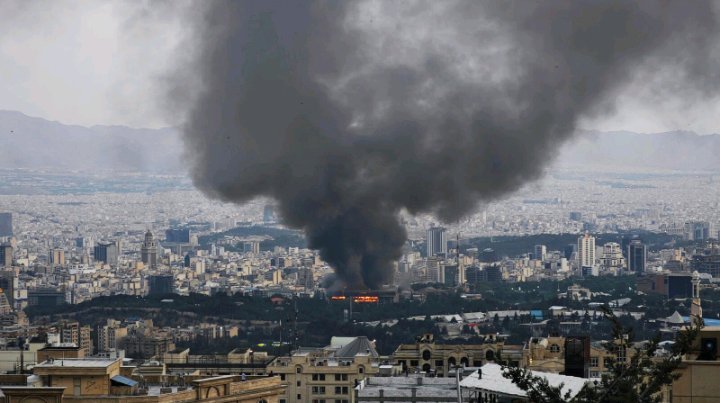
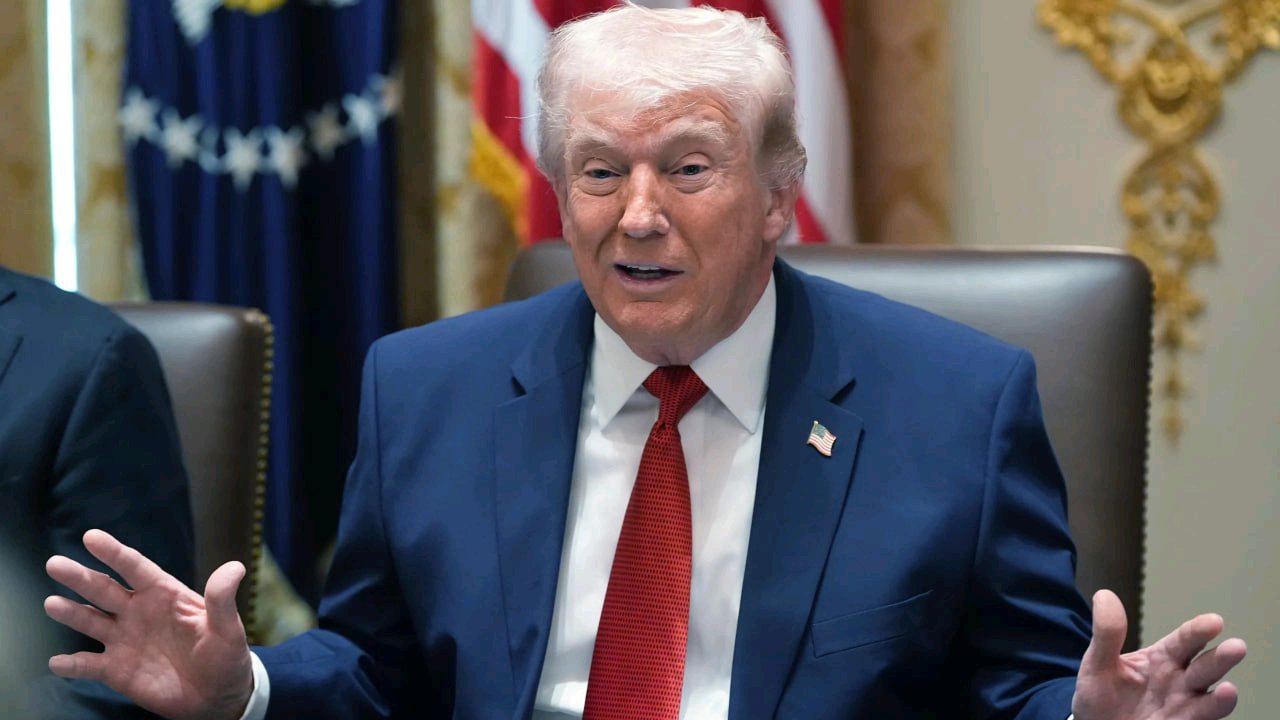
According to a Thursday 2 of April 2026 report by The Jerusalem Post, a new assessment by several United States (US) intelligence agencies has indicated that Iran’s leadership is not prepared to engage in negotiations aimed at ending the ongoing conflict.
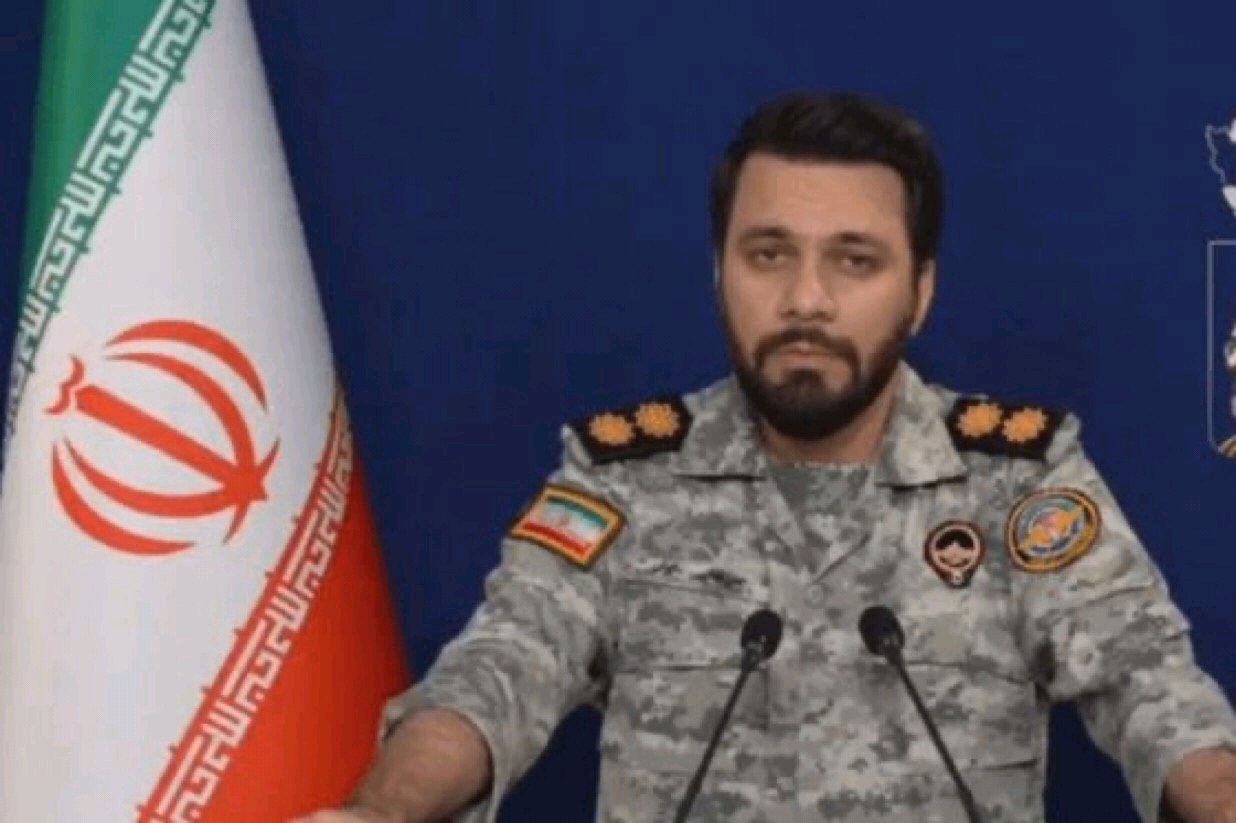
The report further stated that officials across multiple intelligence bodies have reviewed recent communications, military posture and political signals from Tehran. Their findings suggest that the Iranian government remains resistant to diplomatic overtures, despite mounting international pressure and the prolonged nature of the war.
Analysts involved in the assessment point to a combination of internal and external factors shaping Iran’s current stance. These include concerns about maintaining regional influence, preserving domestic political stability and avoiding what leaders may perceive as concessions under pressure.
The report notes that Iran’s strategic calculations appear focused on sustaining its position rather than seeking immediate conflict resolution through dialogue. Intelligence officials believe that the leadership views continued resistance as a way to strengthen its bargaining power in any future negotiations.
At the same time, the assessment highlights that no clear timeline has been identified for a possible shift in Iran’s position. While diplomatic channels remain open, there has been little indication from Tehran that it is willing to use them to pursue a ceasefire or broader settlement at this stage.
Officials familiar with the findings say that Iran’s current posture may complicate efforts by international mediators seeking to de-escalate tensions. The lack of engagement in talks could prolong the conflict and increase the risk of further instability in the region.
The report also underlines that intelligence agencies will continue to monitor developments closely, particularly any changes in military activity or political messaging that could signal a shift toward negotiations.
Despite the current assessment, experts caution that positions in such conflicts can evolve over time. They note that external pressures, including economic conditions and battlefield developments, may eventually influence Iran’s approach.
For now, however, the consensus among US intelligence agencies remains that Iran is not ready to enter negotiations, leaving diplomatic efforts in a state of uncertainty as the conflict continues….See More








Leave a Reply