

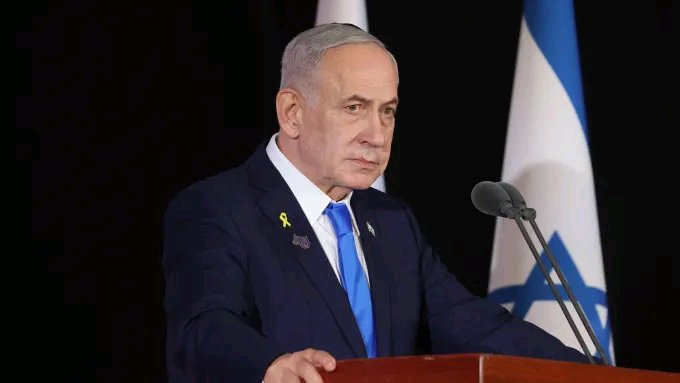
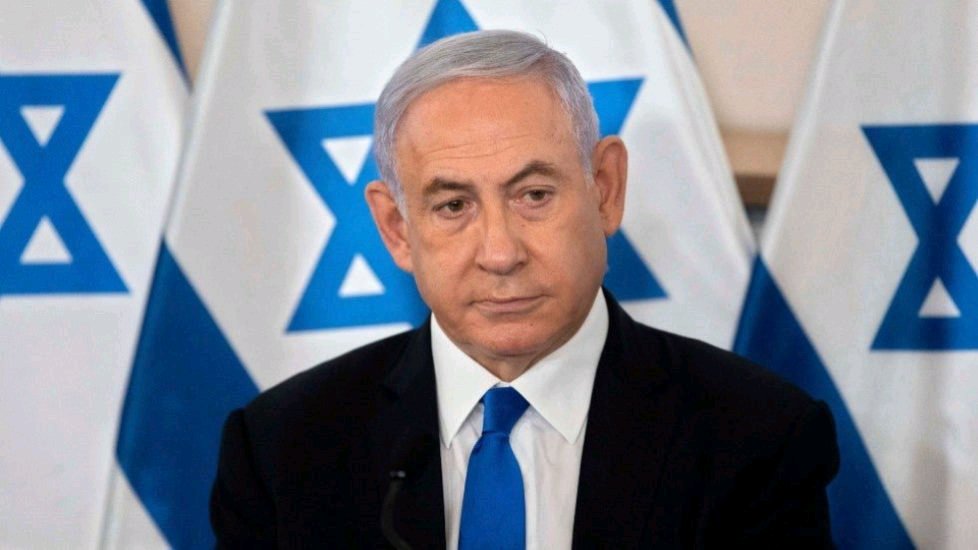
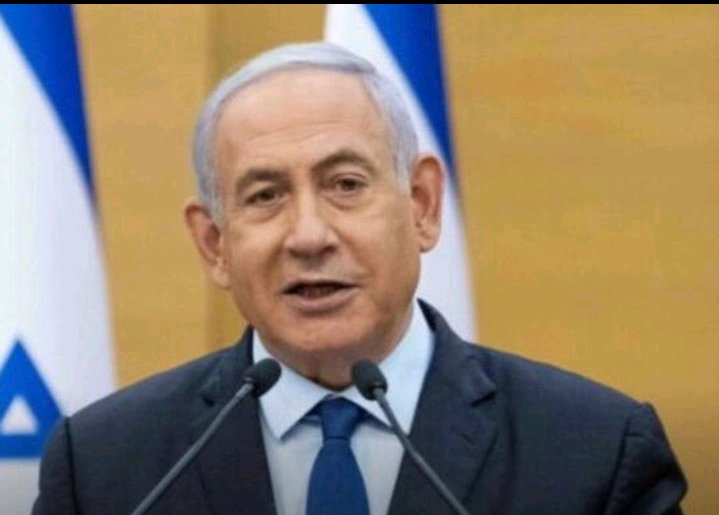
According to a report posted on his official X handle on April 10, 2026, Israeli Prime Minister Benjamin Netanyahu applauded Costa Rica President Rodrigo Chaves Robles for designating the Islamic Revolutionary Guard Corps (IRGC), Hezbollah, Hamas and the Houthis as terrorist organizations.
Netanyahu said the move reflects a “clear moral stance” against groups he described as responsible for destabilizing activities across the Middle East and beyond.
He praised the decision as a step that aligns with what he called the need for stronger international cooperation in confronting terrorism and extremist networks.
The statement, shared on his official social media account, did not provide further details but drew attention from political observers in Israel and Latin America.
President Rodrigo Chaves Robles has in recent times taken a firmer public position on global security issues, with his administration emphasizing the importance of international alignment on counter-terrorism efforts.
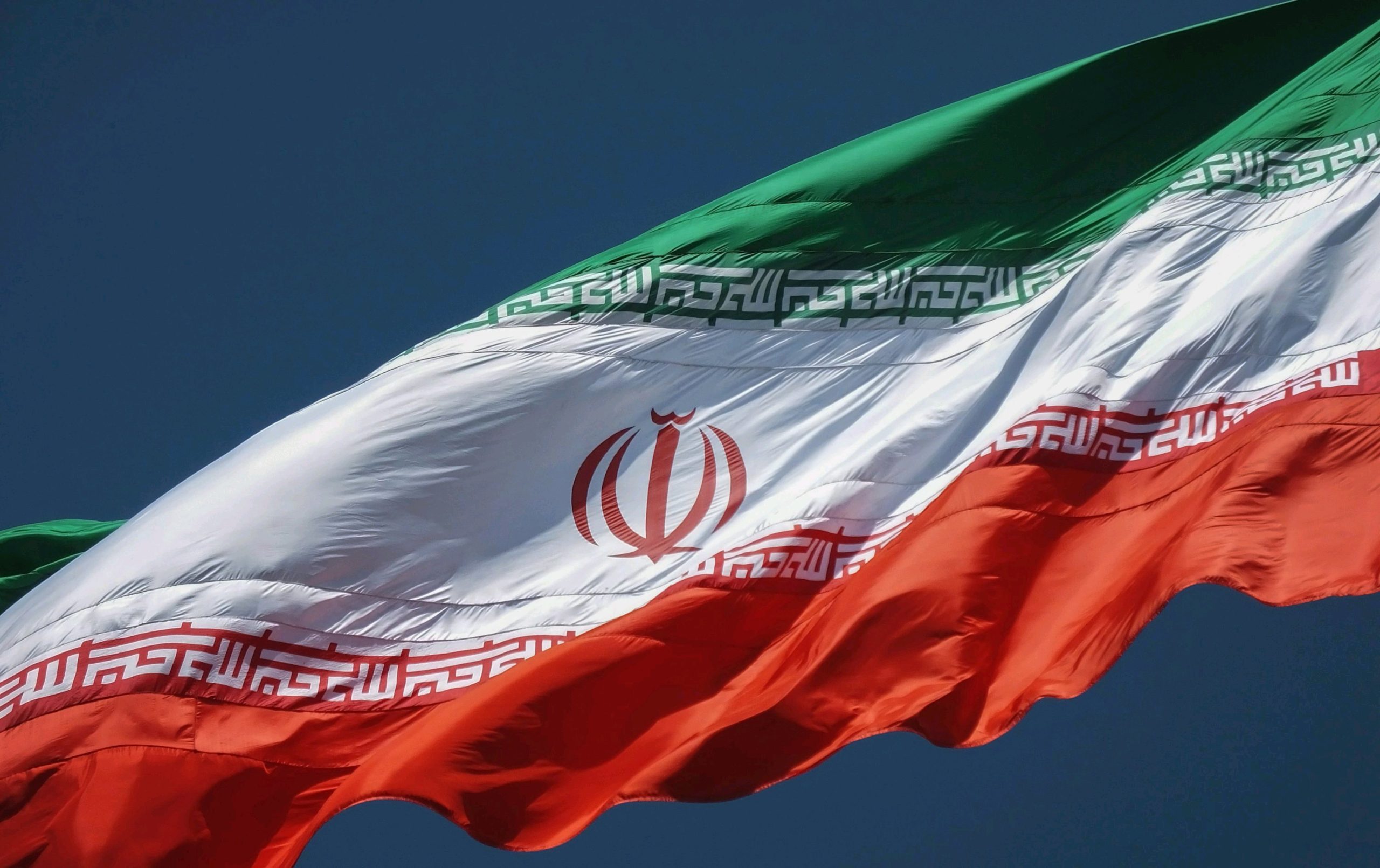
The Islamic Revolutionary Guard Corps (IRGC), Islamic Revolutionary Guard Corps, Hezbollah, Hamas and the Houthis are among groups frequently cited in global security debates, with differing classifications depending on national policies and diplomatic relations.
Analysts note that such designations often carry diplomatic and economic implications, affecting bilateral relations, security cooperation, and international aid frameworks.
The exchange between the two leaders adds to ongoing discussions about the role of smaller states in global security alignment and the growing list of countries adopting stricter terrorism designations.
Reactions from international observers remain divided, with some welcoming the alignment while others caution that expanding terrorism lists can complicate diplomatic engagement in already tense regions.
Both governments have not announced any further joint policy measures, but analysts expect continued dialogue on security cooperation in the coming months.
Security experts also note that Costa Rica’s position is particularly significant given its traditionally non-militarized foreign policy stance, making the designation notable in international discourse.
Further diplomatic statements from either side are expected to clarify whether the announcement will influence broader multilateral discussions on counter-terrorism frameworks.
The development underscores shifting alliances in global security policy and highlights increasing cooperation between Latin American and Middle Eastern political leadership on issues of terrorism classification and response strategies in the coming period……See More



Leave a Reply