

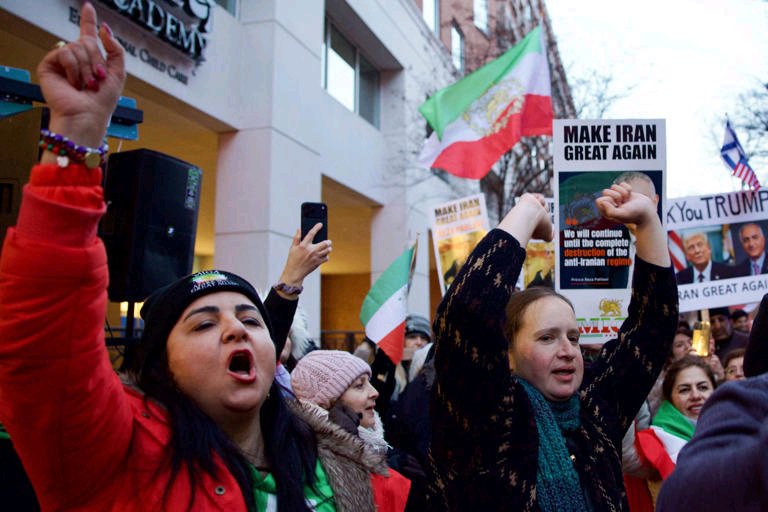
According to the Jerusalam post, Iranian protesters gathered during a demonstration organized by diaspora groups calling for political change in Iran and responding to appeals by opposition figures outside the Iranian Interests Section in Washington, DC, on March 17, 2026.
As a fragile ceasefire takes hold following weeks of heightened tensions, many Iranians at home and abroad are voicing deep that lull in external pressure may embolden authorities in Tehran to intensify domestic crackdowns.
Activists, analysts, and ordinary citizens warn that the end of open hostilities could shift the regime’s focus inward, with fears growing that dissent will be met with harsher repression. For some, the ceasefire has brought not relief, but a renewed sense of vulnerability.
“Forgetting the people,” said one Iranian activist based in Europe, describing what they see as a pattern in which geopolitical negotiations overshadow the plight of citizens. “Whenever there is a deal or a ceasefire, the government feels stronger at home and people pay the price.”
In recent years, Iran has seen waves of protests driven by economic hardship, political repression, and demands for greater freedoms. Demonstrations have often been met with force, including arrests, internet shutdowns, and, in some cases, deadly confrontations.
Now, with the immediate threat of foreign military escalation reduced, critics argue that authorities may feel less constrained in their response to internal dissent.
A Tehran-based student, speaking anonymously due to fear of reprisal, said the ceasefire has not improved daily life. “People thought maybe things would calm down, maybe we could breathe a little,” the student said. “But instead, it feels like they are preparing to tighten control again.”
Diaspora groups have echoed these concerns, organizing rallies and campaigns to keep international attention on human rights in Iran. At the Washington demonstration, protesters held signs calling for political reform and urging global leaders not to overlook the situation inside the country.
Analysts note that governments emerging from external conflict sometimes seek to consolidate power domestically, particularly if they perceive victory or resilience in the face of foreign pressure. In Iran’s case, state media has portrayed the ceasefire as a sign of strength, a narrative that critics say could justify tougher measures against opposition voices.
“Ending in a situation where the authorities feel victorious isn’t really a good thing for civil society,” said a regional expert. “It risks creating an environment where dissent is framed as betrayal.”
Still, not all observers agree on what comes next. Some argue that economic pressures and public dissatisfaction could limit how far the government is willing or able to go in suppressing unrest.
For many Iranians, however, uncertainty looms large. While the ceasefire may have reduced the threat of war, it has done little to ease fears about what lies ahead within the country’s borders.
“We are stuck between two dangers,” the Tehran student said. “War from outside, and pressure from inside. The ceasefire only removed one of them.”……See More





Leave a Reply