


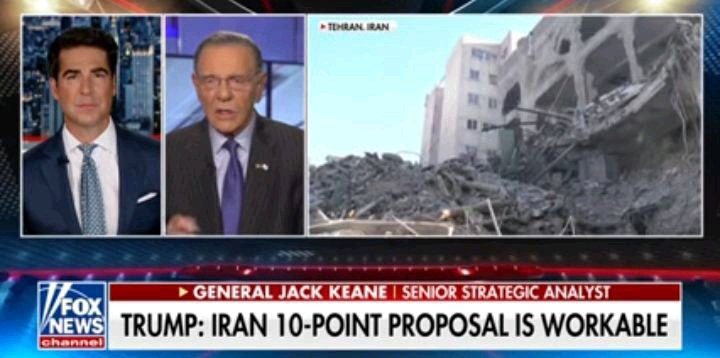
Jesse Watters, host of Jesse Watters Primetime on Fox News, has provided a detailed look into the high-stakes diplomacy that pulled the Middle East back from the brink of total obliteration on Tuesday night.
According to Watters, the two-week ceasefire between the United States and Iran was not merely a result of American military pressure, but also followed a desperate intervention by Beijing to save its primary energy partner from economic collapse.
Citing recent reporting from The New York Times, Watters claimed that the Chinese government played a pivotal role behind the scenes.
Faced with the total destruction of Iran’s energy infrastructure by U.S. forces, Beijing reportedly reached out to Tehran with a stark warning.
“China begged the Iranians to take the deal, saying their economy couldn’t take it anymore,” Watters told his viewers.
He suggested that the combination of U.S. strikes on the Kharg Island oil terminal and China’s refusal to subsidize a collapsing regime forced the Islamic Republic’s hand.
“The regime was backed into a corner,” Watters stated, noting that Tehran realized it could no longer sustain a war of attrition against a superior military force.
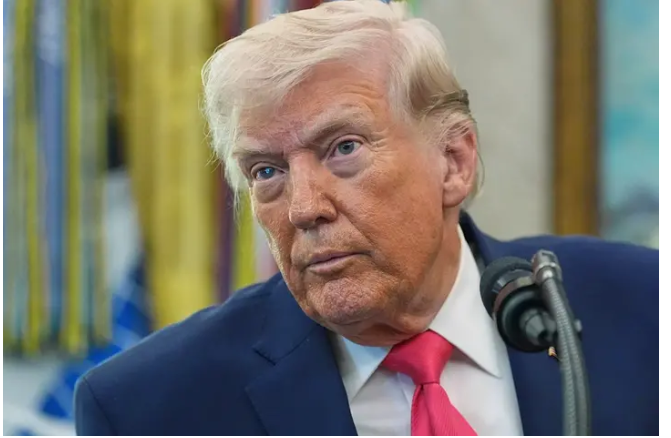
Watters also provided insight into the internal deliberations at the White House. While military hawks had pushed for a full-scale occupation of Iran’s coastal energy hubs, Watters revealed that President Donald Trump chose a path of calculated restraint.
The host noted that the President was skeptical of the long-term cost of a ground invasion:
“The president believed that sending in soldiers to open up the strait and seize Kharg wouldn’t be wise and was a last resort.”
Instead of a ground war, the administration opted for coercive diplomacy using the threat of civilization-ending strikes to secure the temporary reopening of the Strait of Hormuz.
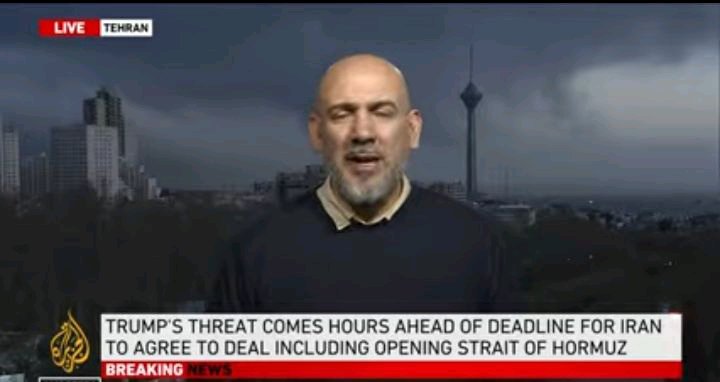
With the Tuesday night deadline passed and the bombing campaign suspended, attention now turns to Islamabad, Pakistan, where formal peace talks are scheduled to begin this Friday.
Despite the breakthrough, Watters warned that the region is far from safe. He described the current state of affairs as a ticking clock, with the ceasefire serving only as a temporary breather.
“So what’s next? Two weeks of peace talks that could collapse at any point,” Watters cautioned, highlighting the immense distrust between Washington and Tehran…..See More














Leave a Reply