


According to the Times of Israel, on a quiet street in Tel Aviv, the timing could not have been worse. Just one day before Yael Ben Cnaan was set to take over a neighborhood flower shop, a cluster munition struck outside, shattering glass and puncturing walls. Inside, bouquets meant for one of the busiest weeks of the year were left to wilt behind police tape.
“In the meantime, the shop was not operating. There was no income, but the expenses continue: rent, payments and commitments I already took on when entering the business,” she said.
Passover is usually a lifeline for small businesses like hers. This year, it arrived under the shadow of war.
Across Israel, the rhythm of holiday preparation has been repeatedly broken by sirens and the rush to shelter. Families paused cooking and cleaning mid-task, unsure when the next alert would come. Public seders were scaled back or canceled, travel plans unraveled, and hotels saw empty rooms where tourists would normally gather.
For Ben Cnaan, the stakes are immediate. “We depend on the revenue during these weeks to keep us alive,” she said. After the strike, she turned to crowdfunding and social media, determined to reopen, even partially. “I don’t have a choice. If I don’t manage to sell bouquets, we would have to close.”
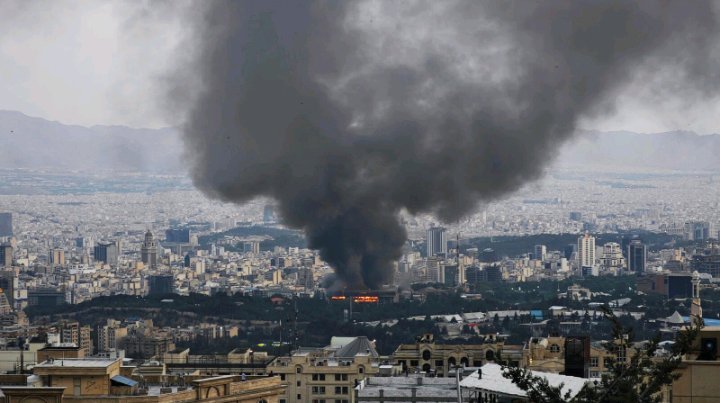
Her story is one thread in a wider strain. Nearly a month into the conflict with Iran, businesses across the country are struggling with closures, damage, and dwindling customers. The Finance Ministry estimates losses of at least 4.3 billion shekels each week, a figure that hints at the scale, but not the texture, of the disruption.
Relief workers warn the deeper costs are still unfolding. “We are so deep in it, and I’m not sure we’re seeing the whole picture,” said Avital Rosenberger. “Some of the damage, especially the mental and emotional toll, will only emerge at the end. We already understand what’s coming.”
Even so, people persist. In shelters, in homes, in small shops with boarded windows, the effort to maintain routine continues, not as denial, but as a quiet form of resilience…..See More





















Leave a Reply