

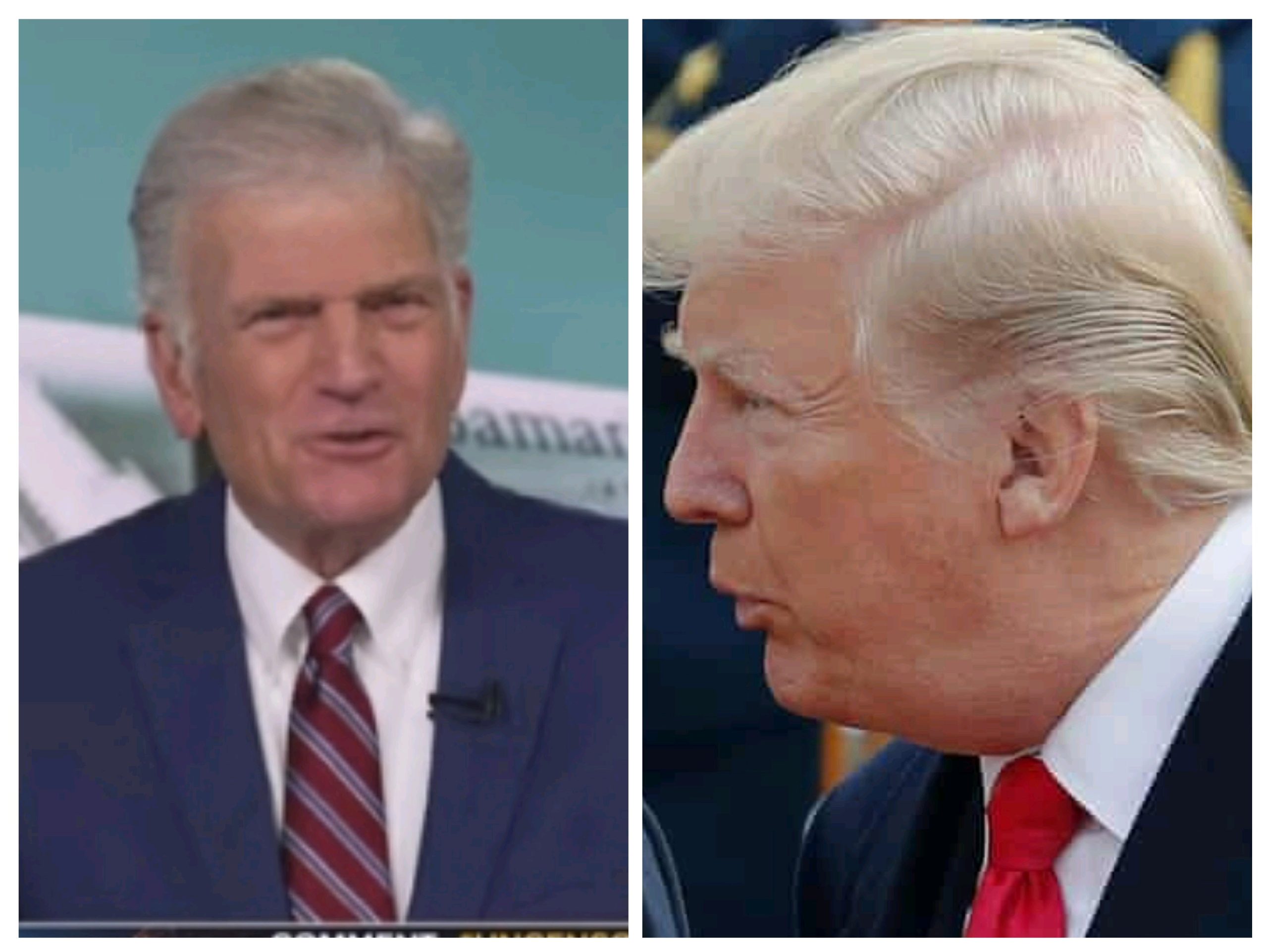
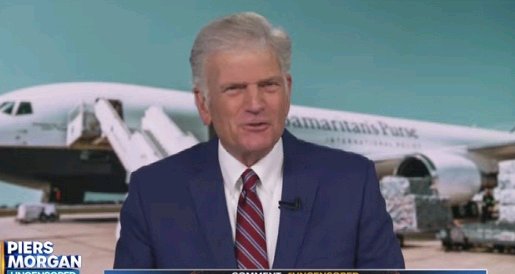
In one of the most intriguing exchanges of the evening on Piers Morgan Uncensored, Reverend Franklin Graham strongly implied without ever explicitly confirming that Donald Trump has privately confessed to sins in conversations between the two men, declining to elaborate but stopping well short of denying it, in remarks that left the question conspicuously and deliberately open.
The exchange grew out of a letter Graham wrote to Trump last October, which the president himself made public after he said on the record that he was not entirely sure he would make it to heaven. In that letter, Graham had congratulated Trump on the Israel-Hamas ceasefire and the return of Israeli hostages, praised his leadership as historic, and then turned to matters of faith — telling the president that no amount of good works, prominent success, or political achievement could secure a place in heaven. The only path, Graham wrote, is through faith in Jesus Christ.
Morgan had obtained details of the letter and confronted Graham with them directly, asking what Trump should be doing given his own publicly expressed uncertainty about his eternal destination. Graham gave a careful answer, suggesting Trump may have been speaking partly in jest — though he added that just in case it was not a joke, he wanted to ensure the president understood the Christian doctrine of salvation: that Christ’s death and resurrection provide the only route to God’s forgiveness, available to anyone willing to accept it by faith.
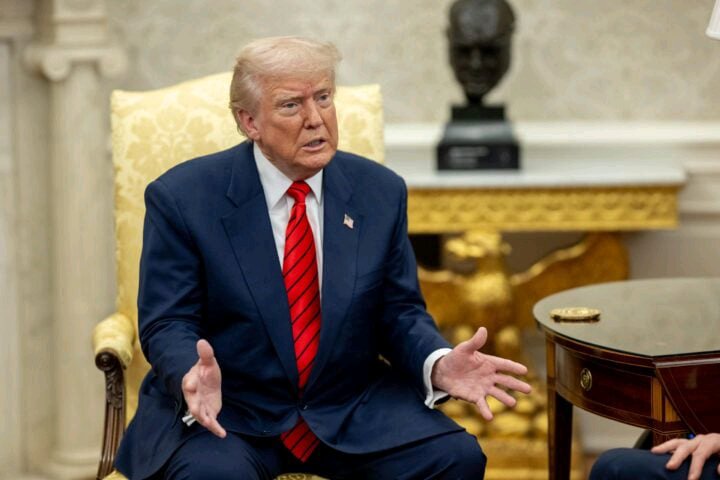
Then Morgan moved to the question that hung most provocatively in the air. He has known Trump personally for approximately twenty years, and in all that time, he told Graham, he has never heard the president confess to a sin, admit a mistake, or acknowledge any wrongdoing of any kind. He asked whether Graham, in fifteen or more years of acquaintance with Trump, had ever witnessed such a moment.
Graham’s answer was careful, almost lawyerly. He acknowledged that he has had private conversations with the president. He said it would not be proper to reveal what was said in those conversations. And then he said nothing more — leaving the clear implication that something worth not revealing had in fact been said.
Morgan pressed him gently: was he hinting that Trump had confessed sins in private? Graham held his ground, repeating only that he would leave it there.
The moment drew a wry response from Morgan, who noted that Graham had come remarkably close to confirming something that many of Trump’s critics have long considered a psychological impossibility.
Graham had separately told attendees at CPAC that it was important to do everything possible to get Trump reelected — a remark he subsequently walked back, clarifying that he had misspoken and meant to encourage support for pro-Trump candidates in the midterm elections to prevent the president from being hamstrung in Washington. He called Trump the greatest president of his lifetime and urged viewers to pray for him.
The spiritual portrait Graham painted of the American president a man of possible private faith, uncertain public theology, and enormous temporal power sat at the heart of the evening’s broader debate about religion, war, and political accountability……See More



Leave a Reply