

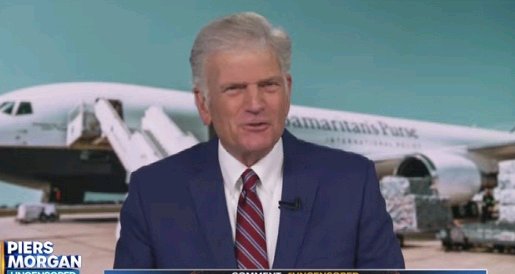
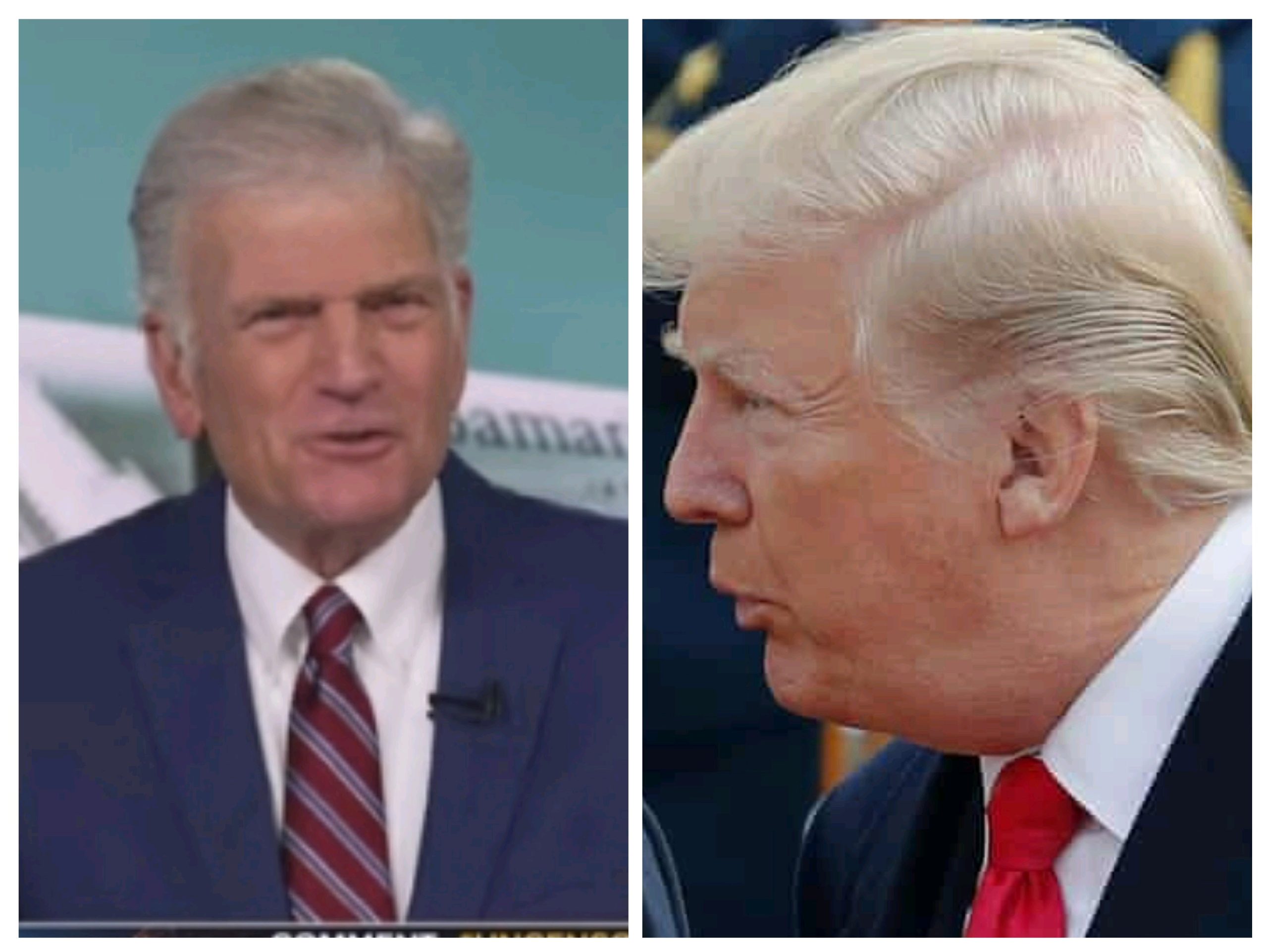
In a moment that cut against the prevailing narrative surrounding Christian Zionism’s influence on American Middle East policy, Reverend Franklin Graham — one of Donald Trump’s most prominent pastoral supporters — publicly distanced himself from one of the movement’s most foundational theological claims, telling Piers Morgan that he cannot find biblical basis for the belief that Christ’s second coming is contingent on the Jewish people being gathered in their ancestral homeland.
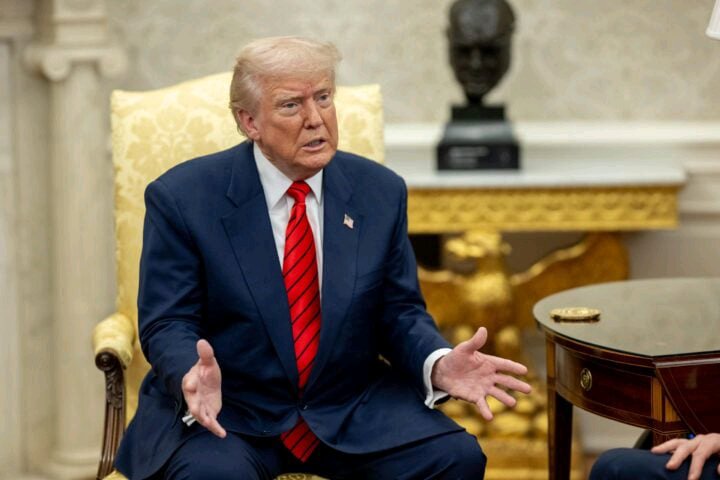
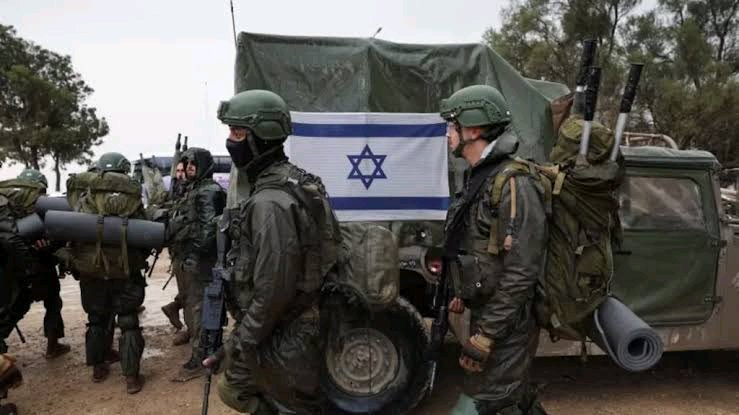
The admission was notable precisely because of who was making it. Graham is widely identified as a key figure in the evangelical Christian network that has provided Trump with his most fervent base of support, and the Iran war has been characterised by critics — including former interim Israeli President Avraham Burg and former Greek Finance Minister Yanis Varoufakis — as being partly driven by eschatological Christian Zionist thinking embedded within the Trump administration.
Morgan put the question to Graham directly, asking what he made of the central Christian Zionist tenet — that Jesus Christ cannot return until the Jewish people are restored to their historic land. Graham’s answer was measured but clear. He does not see that doctrine plainly stated in scripture. He was uncertain where that theological conclusion originates, and he was unwilling to endorse it as biblical truth.
“It certainly doesn’t come out of the Bible,” he said.
Yet Graham’s broader theology remained entirely consistent with the Christian Zionist framework in other respects. He had moments earlier described the founding of modern Israel in 1948 as a direct fulfilment of biblical prophecy — the reconstitution of a nation promised to Abraham, passed through Isaac and Jacob and the twelve tribes, tested in Egyptian bondage, and ultimately returned to its divinely designated land. He also expressed his belief that in coming days, many Israelis will come to know Jesus Christ as Messiah.
He had also taken a position directly at odds with Pope Leo’s Palm Sunday declaration that God rejects the prayers of those who wage war. Graham argued that this statement, however sincere, does not align with the biblical record — pointing to King David, who prayed for God’s guidance as he went into battle and whose prayers, scripture records, were answered. Just wars exist, Graham maintained, and the war against the Iranian regime qualifies in his view.
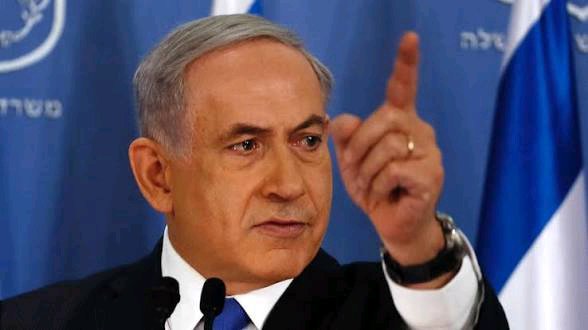
Burg, watching from elsewhere in the programme, took direct aim at this reading of King David, noting that David was explicitly barred from building the Temple in Jerusalem because — as the prophet told him — his hands were full of blood. Bloody warriors, Burg argued, are not entitled to build the house of God or the house of peace…..See More






Leave a Reply