

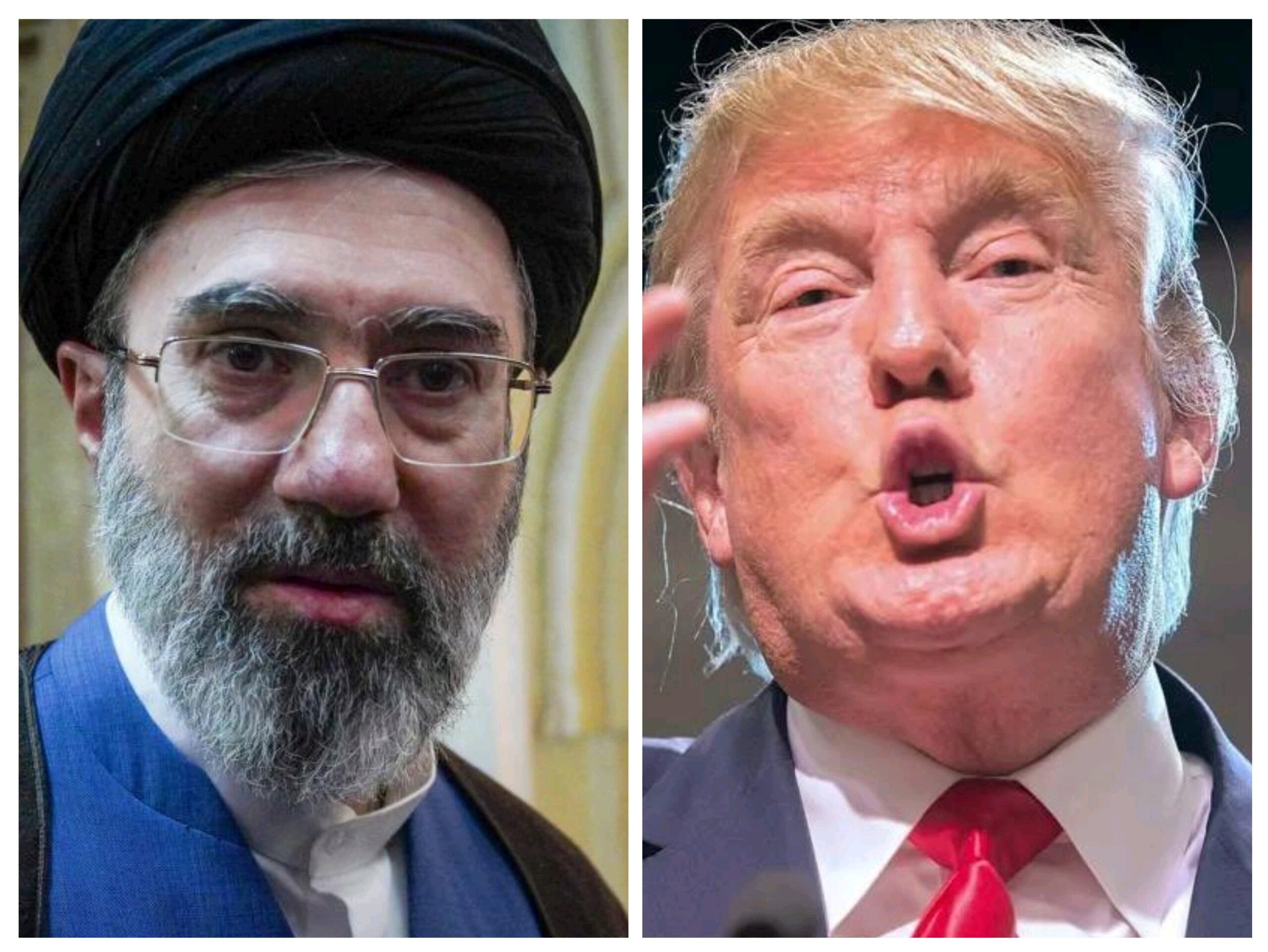
According to a report by Al Jazeera indicates that on March 27, 2026, United States Special Envoy Steve Witkoff delivered a strong message to Iran, emphasizing that Washington will not allow any country in the Middle East to develop nuclear weapons. His remarks come as the U.S. intensifies diplomatic efforts to engage Tehran in crucial discussions expected before the end of the week.
Witkoff disclosed that the U.S. government has already presented Iran with a comprehensive 15-point proposal aimed at resolving ongoing tensions. He noted that American officials are currently waiting for a formal reply from Iranian authorities regarding the outlined framework.
“We are hopeful that there will be meetings with Iran this week,” Witkoff said, expressing optimism that Tehran will participate in negotiations and carefully review the detailed plan introduced by Washington.
A central element of the U.S. proposal is a strict requirement that Iran must completely halt all nuclear enrichment activities within its territory. Witkoff emphasized that this condition is non-negotiable and represents a more stringent stance than the limitations previously outlined in the 2015 Joint Comprehensive Plan of Action.
Drawing comparisons to past global developments, Witkoff referenced North Korea’s nuclear progression as a cautionary example. He stressed that the United States is determined to prevent a similar situation from unfolding in the Middle East, where prolonged international pressure failed to stop Pyongyang from acquiring nuclear capabilities.
“There should be no North Korea in the Middle East,” Witkoff said firmly, underlining Washington’s position that Iran obtaining nuclear weapons is entirely unacceptable.
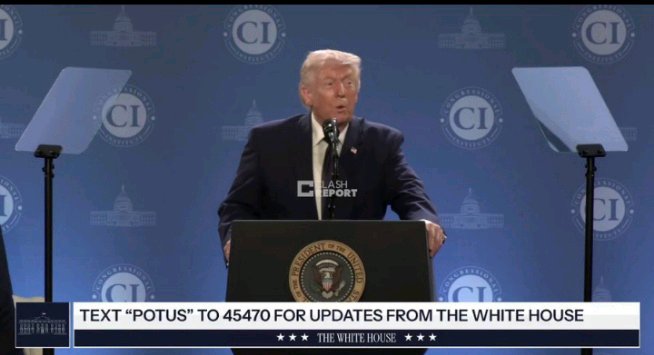
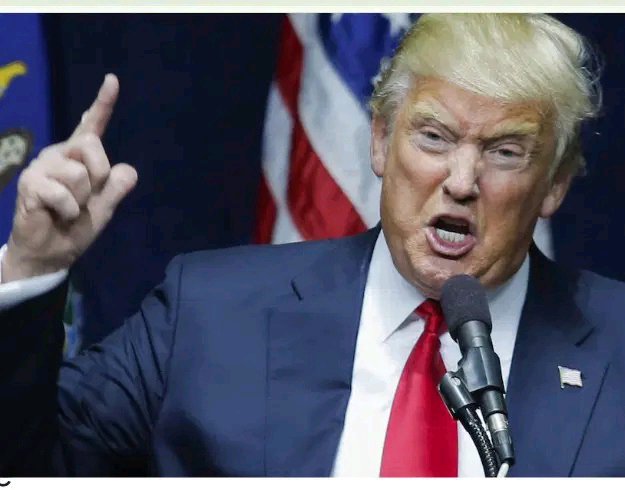
He further reiterated President Donald Trump’s commitment to achieving a peaceful resolution, highlighting that the administration’s strategy is rooted in the concept of “peace through strength.” This approach blends diplomatic negotiations with military preparedness and economic measures to ensure compliance.
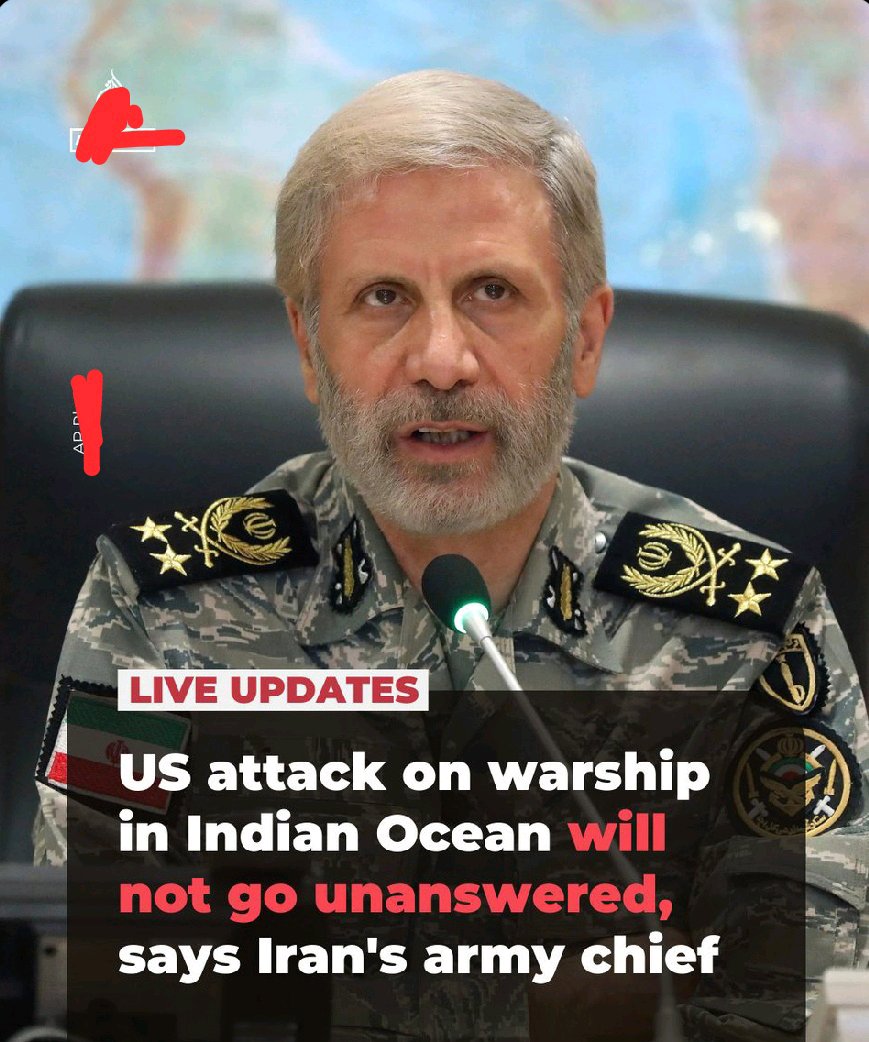
These statements mark one of the most definitive outlines of U.S. policy ahead of what could become a critical phase in negotiations between the two nations. Meanwhile, governments across the region and global observers are closely monitoring the situation, recognizing that the outcome of these talks could significantly influence stability in the Middle East. As of now, Iran has not publicly responded to the proposal.





Leave a Reply