

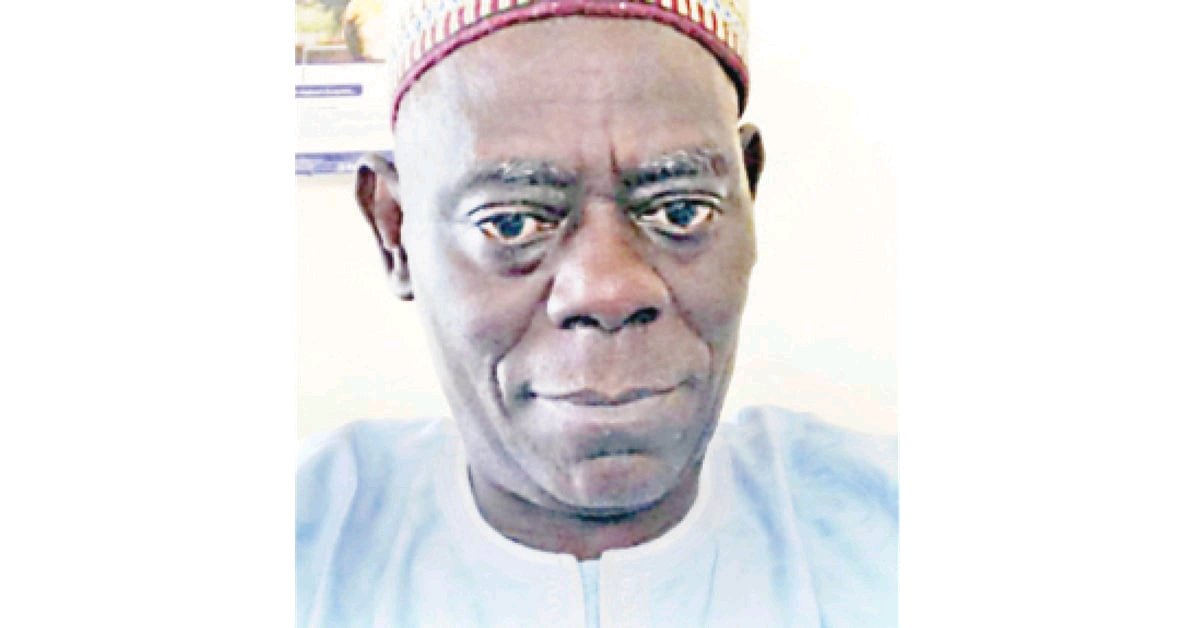
Former Secretary General of the Arewa Consultative Forum, Anthony Sani, has revealed that the primary reason many in the North are willing to support President Bola Tinubu for a second term in 2027 is because he is the only southerner who cannot govern beyond 2031. Sani, who spoke in an interview with the Nigerian Tribune, explained that this calculation is tied to the politics of zoning and the North’s desire to reclaim the presidency after the South completes its expected eight-year tenure.
Sani acknowledged that there has been growing discontent in the North over what many in the region perceive as poor management of diversity under the current administration. He said many northerners believe the distribution of national resources through appointments, projects, and contracts has not been equitable. According to him, these concerns had previously prompted President Tinubu to direct political appointees from the North to engage with northern leaders in order to clarify issues and dispel misconceptions, a move he said helped ease tensions at the time. He suggested that a similar round of engagement could once again calm the agitations in the region.
In his words, Sani said, “You may wish to note that as long as the politics of identity called zoning is still in the polity and the Southern region wants to finish its eight years tenure and the Northern region wants the president in 2031, and they want Tinubu again in 2027 only for one reason. President Bola Tinubu is about the only southerner who cannot govern beyond 2031. Any other southerner can govern beyond 2031. That explains why a majority of northerners will prefer to vote for President Bola Tinubu.”
Sani’s remarks lay bare the cold political arithmetic that often drives electoral alliances in Nigeria. The unwritten zoning arrangement between the North and the South has been one of the most influential factors in the country’s presidential politics for decades. Under this arrangement, the presidency is expected to rotate between the two regions after every eight years. Since Tinubu is already advanced in age and would be completing a maximum of two terms by 2031, northern leaders see him as a safer option compared to a younger southern candidate who could potentially seek to extend southern control of the presidency beyond the agreed timeline.
The comments have added another layer to the 2027 conversation. Some Nigerians have described Sani’s analysis as refreshingly honest about how ethnic and regional calculations continue to dominate the country’s politics above performance and policy. Others have criticised the reasoning, arguing that Nigerians should be choosing leaders based on competence rather than zoning arithmetic. A few northern voices have pushed back, insisting that their support for or opposition to any candidate should be based on what the administration delivers for the region and not merely on rotation formulas.
As the 2027 elections draw closer, Sani’s candid admission offers a window into the strategic thinking shaping political alignments in the North and across Nigeria’s broader political landscape.




Leave a Reply